How Moon altered the orbit of Chandrayaan-3’s propulsion module?
In a remarkable demonstration of celestial mechanics, the Indian Space Research Organisation’s (ISRO) Chandrayaan-3 mission has witnessed a significant alteration in the orbit of its propulsion module. This change occurred in November 2025, when the module passed close to the Moon, allowing lunar gravity to pull the spacecraft and naturally modify its path without the need for fuel. This event is a testament to the fascinating dynamics of space travel and the complex interactions between celestial bodies.
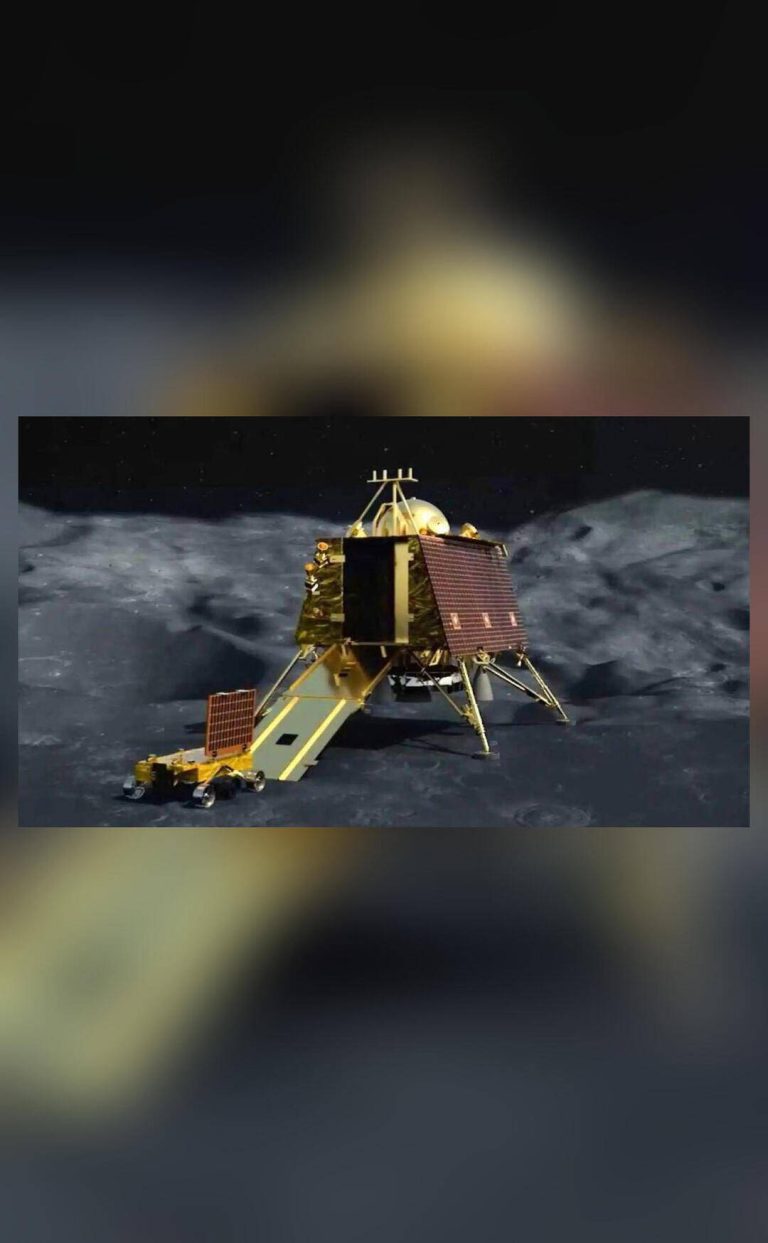
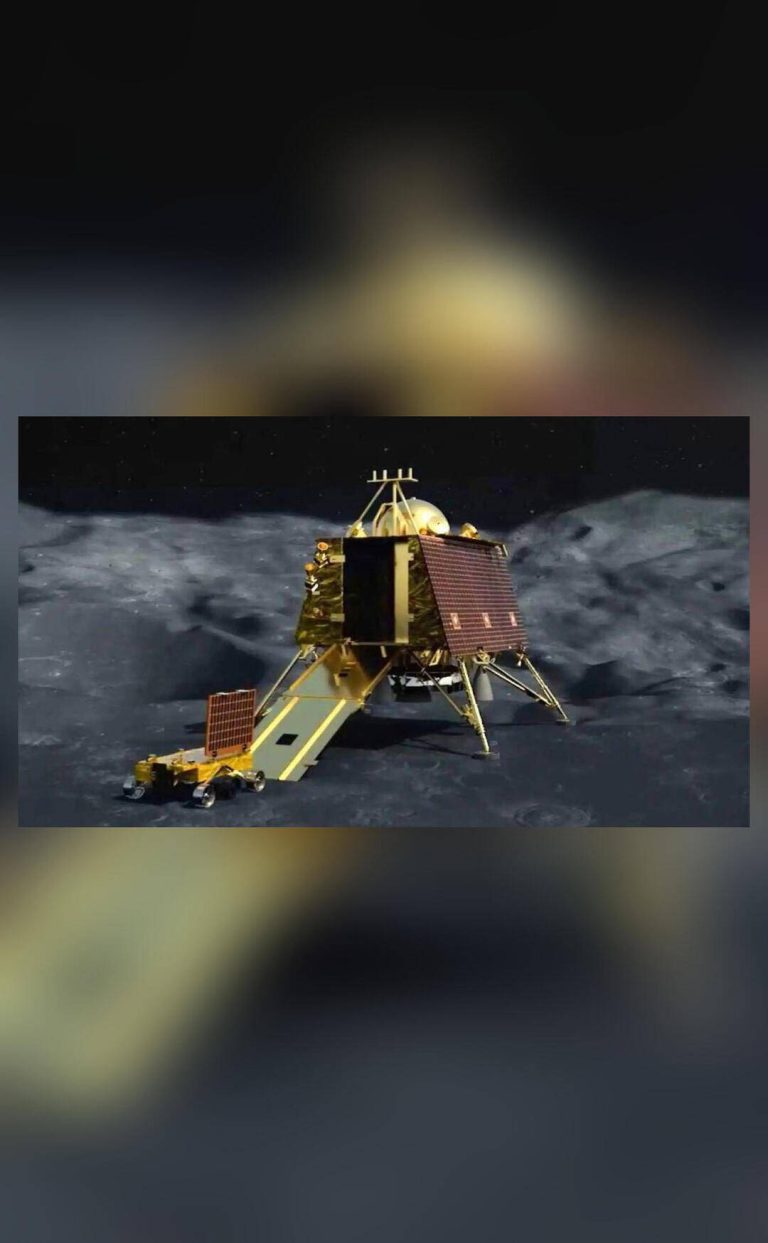
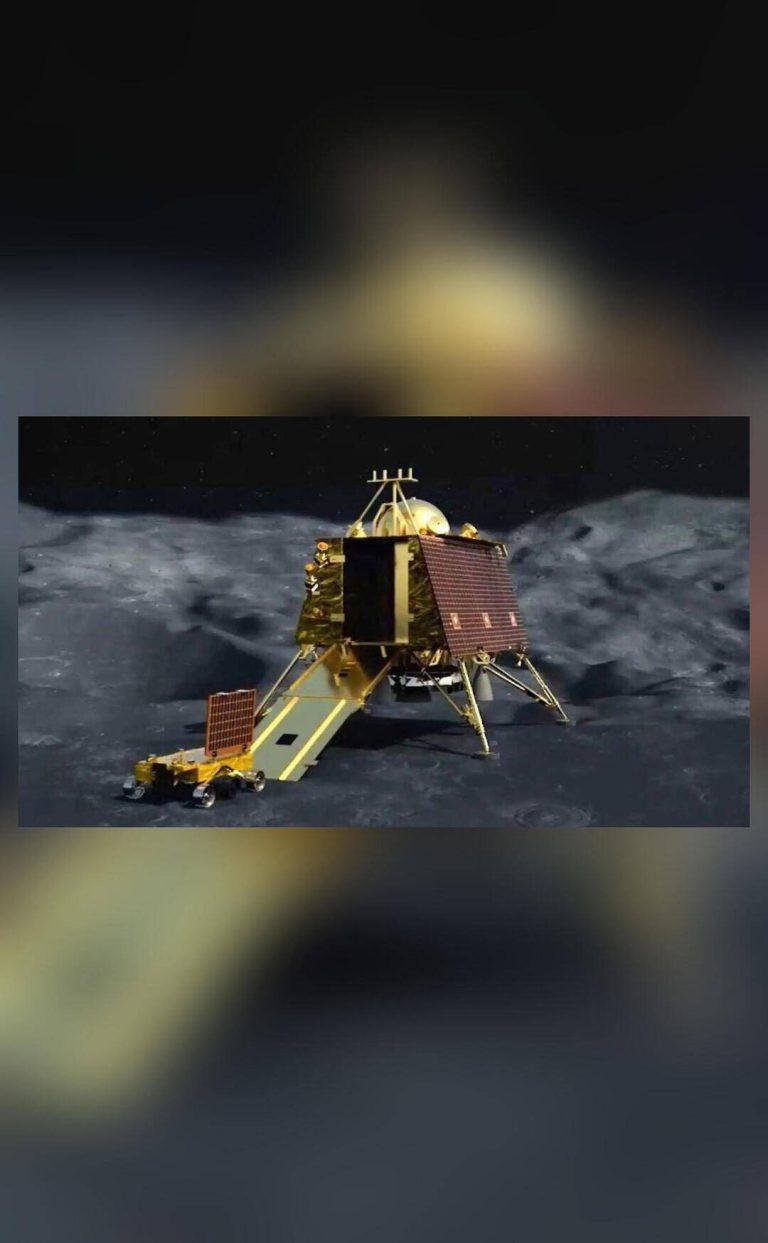
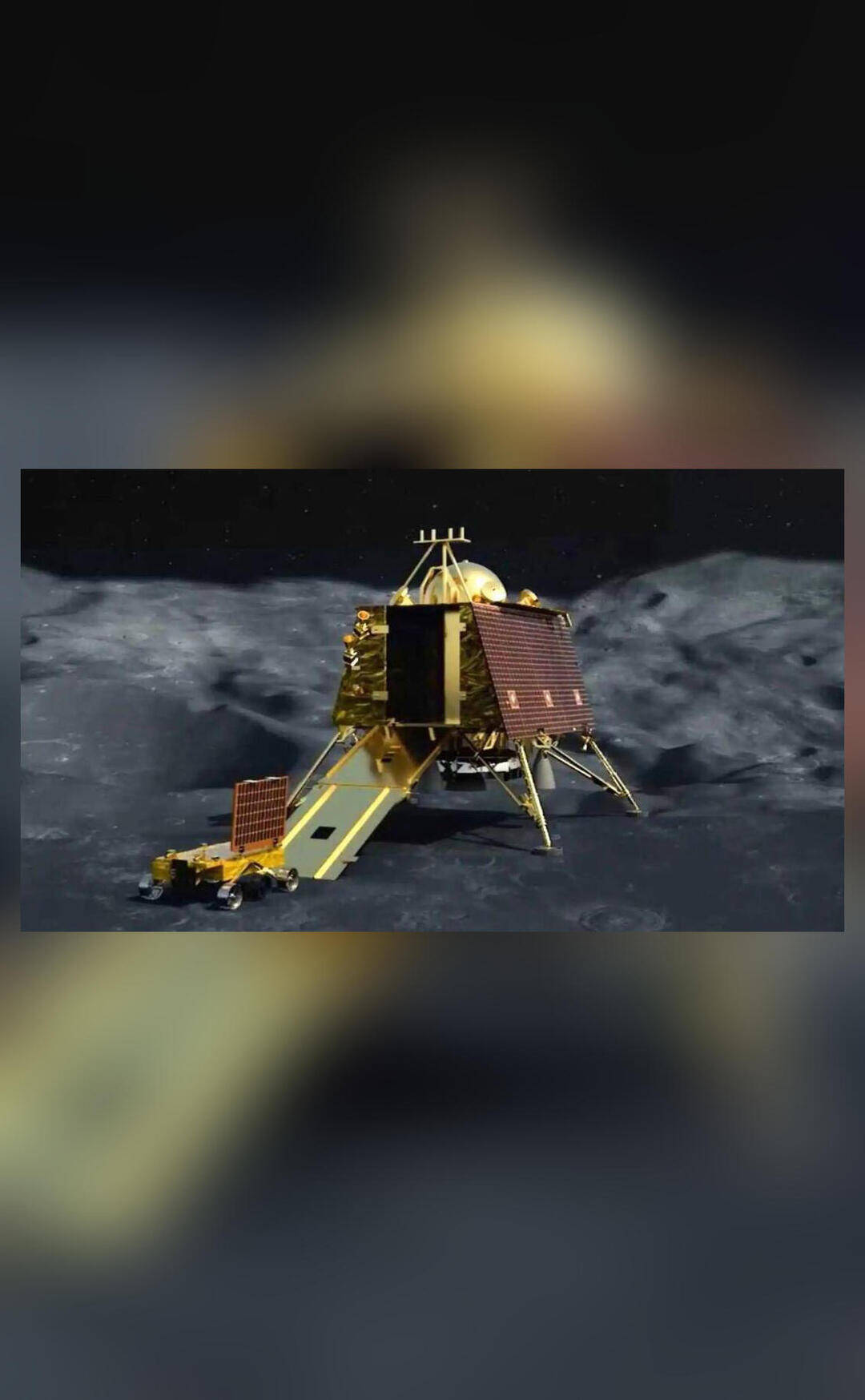
The Chandrayaan-3 mission, launched by ISRO, aims to explore the Moon’s south pole and conduct scientific experiments. The mission consists of a propulsion module, a lander, and a rover, each designed to perform specific tasks. The propulsion module, being the primary component, is responsible for propelling the spacecraft towards the Moon and providing the necessary thrust for the mission. However, during its journey, the module’s orbit was altered by the Moon’s gravity, resulting in a change in its orbit size and direction.
The first close flyby occurred on November 6, when the propulsion module passed within 3,740 km of the Moon’s surface. This proximity allowed the lunar gravity to exert a significant force on the spacecraft, causing a slight deviation in its trajectory. The second flyby took place on November 11, with the module passing at a distance of 4,537 km from the Moon. This second encounter further modified the module’s orbit, resulting in a noticeable change in its path.
The alteration of the propulsion module’s orbit is a result of the gravitational force exerted by the Moon. According to Newton’s law of universal gravitation, every point mass attracts every other point mass by a force acting along the line intersecting both points. In this case, the Moon’s gravity pulled the propulsion module, causing it to change its orbit. This phenomenon is a natural consequence of the gravitational interaction between two celestial bodies and does not require the use of fuel or any other external force.
The change in the orbit of the propulsion module is significant, as it affects the overall trajectory of the spacecraft. The new orbit size and direction will influence the module’s future flybys and encounters with the Moon. ISRO scientists and engineers will need to carefully monitor the module’s trajectory and make necessary adjustments to ensure the success of the mission.
The Chandrayaan-3 mission is a complex and challenging endeavor, requiring precise planning and execution. The alteration of the propulsion module’s orbit is a reminder of the dynamic and unpredictable nature of space travel. Despite the challenges, ISRO has demonstrated its capabilities and expertise in navigating the complexities of space exploration.
The success of the Chandrayaan-3 mission will depend on the precise execution of its various components, including the propulsion module, lander, and rover. The mission’s objectives include conducting scientific experiments, studying the Moon’s geology, and searching for signs of water ice. The discovery of water ice on the Moon could have significant implications for future human missions and the establishment of a sustainable presence on the lunar surface.
In conclusion, the alteration of the Chandrayaan-3 propulsion module’s orbit by the Moon’s gravity is a fascinating example of celestial mechanics in action. This event demonstrates the complex and dynamic nature of space travel, where the gravitational forces of celestial bodies can significantly impact the trajectory of a spacecraft. As ISRO continues to push the boundaries of space exploration, the success of the Chandrayaan-3 mission will depend on the precise execution of its various components and the ability to adapt to the challenges posed by the lunar environment.
The Chandrayaan-3 mission is a significant step forward in India’s space program, demonstrating the country’s capabilities and expertise in space exploration. The mission’s success will pave the way for future lunar and planetary missions, expanding our understanding of the solar system and the universe.
For more information on the Chandrayaan-3 mission and the alteration of the propulsion module’s orbit, please visit: https://www.newsbytesapp.com/news/science/how-chandrayaan-3-propulsion-module-s-orbit-was-altered-by-moon-s-gravity/story
About the Author