How Moon altered the orbit of Chandrayaan-3’s propulsion module?
In a remarkable demonstration of the power of gravitational forces in space, the Indian Space Research Organisation’s (ISRO) Chandrayaan-3 mission has provided a fascinating example of how the Moon’s gravity can be harnessed to alter the orbit of a spacecraft. In November 2025, the propulsion module of Chandrayaan-3 had its Earth orbit significantly changed after passing close to the Moon, thanks to the lunar body’s gravitational pull. This phenomenon, which occurred during two flybys of the Moon, has not only saved fuel for the spacecraft but also underscored the importance of understanding and utilizing gravitational forces in space missions.
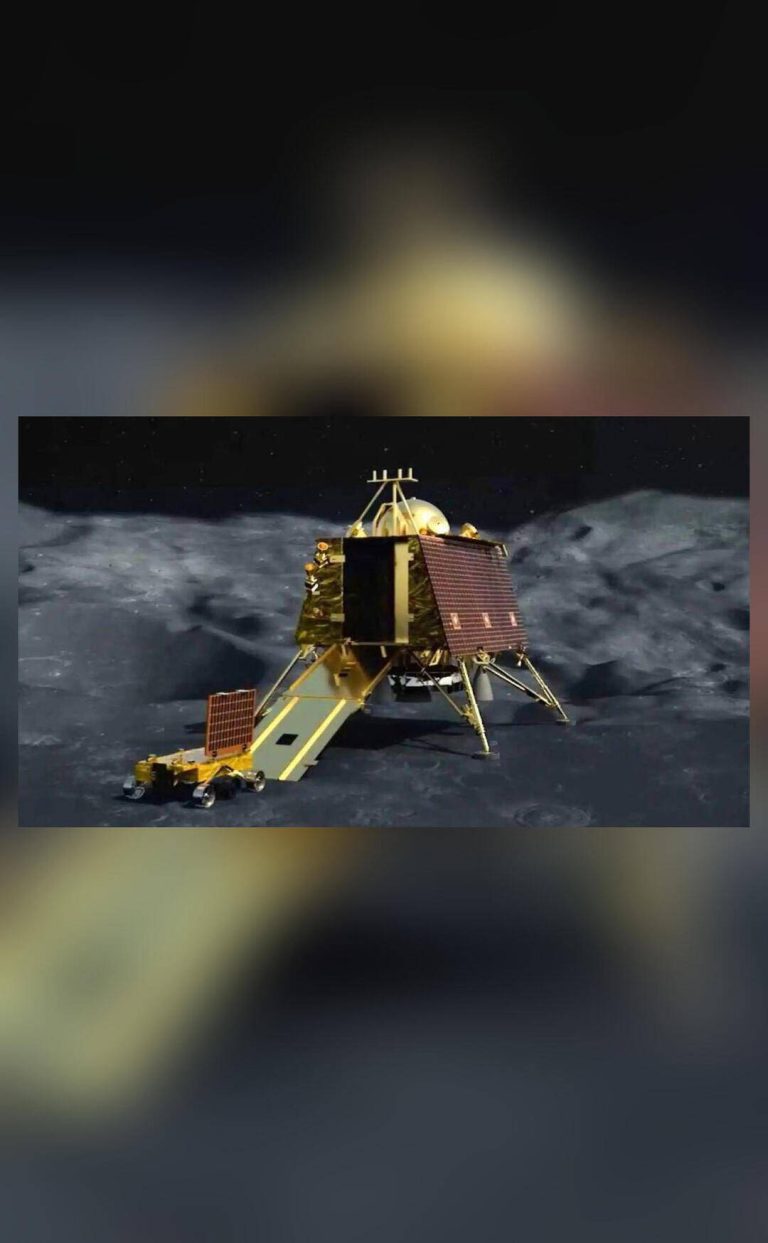
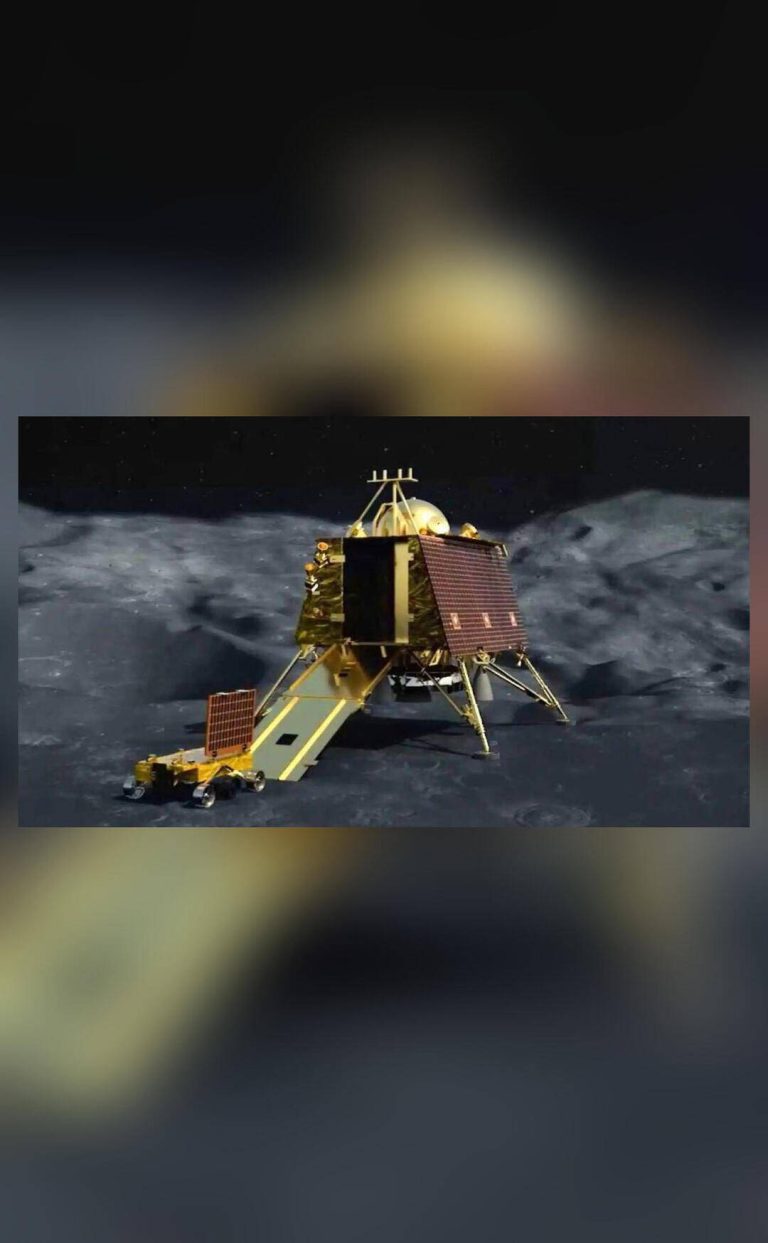
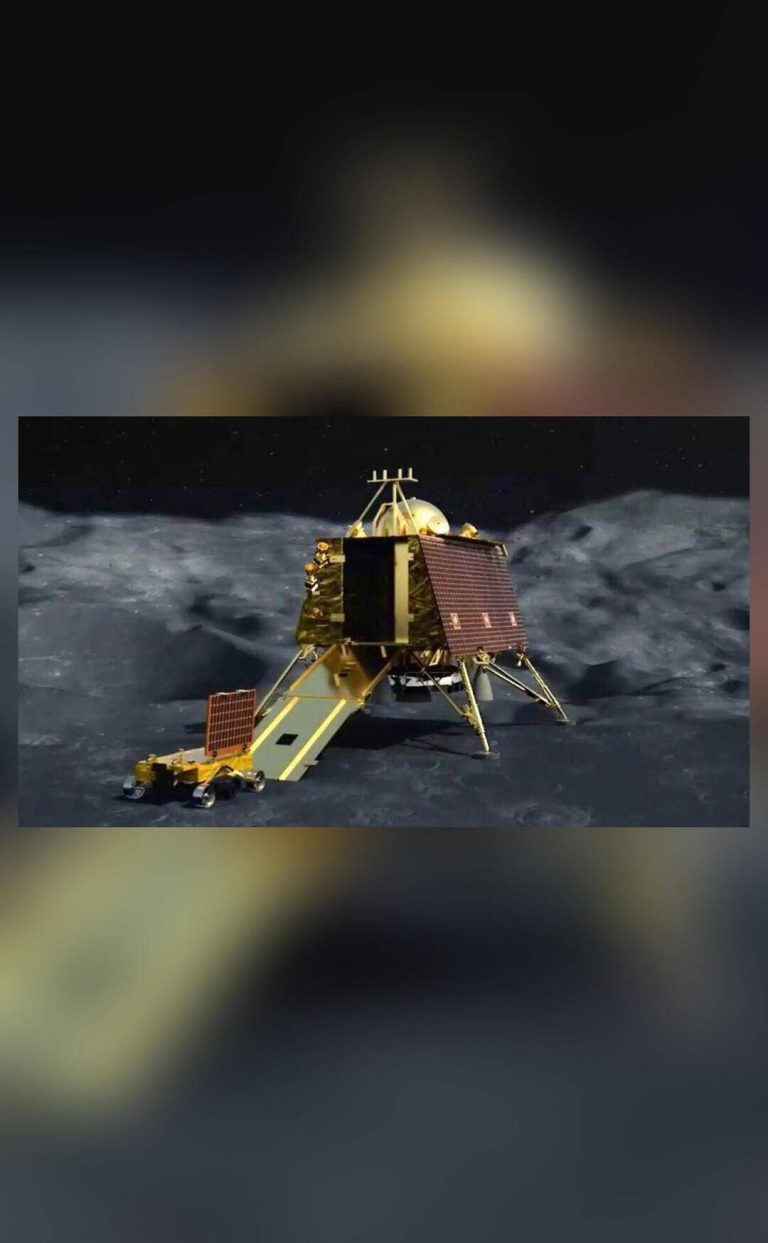
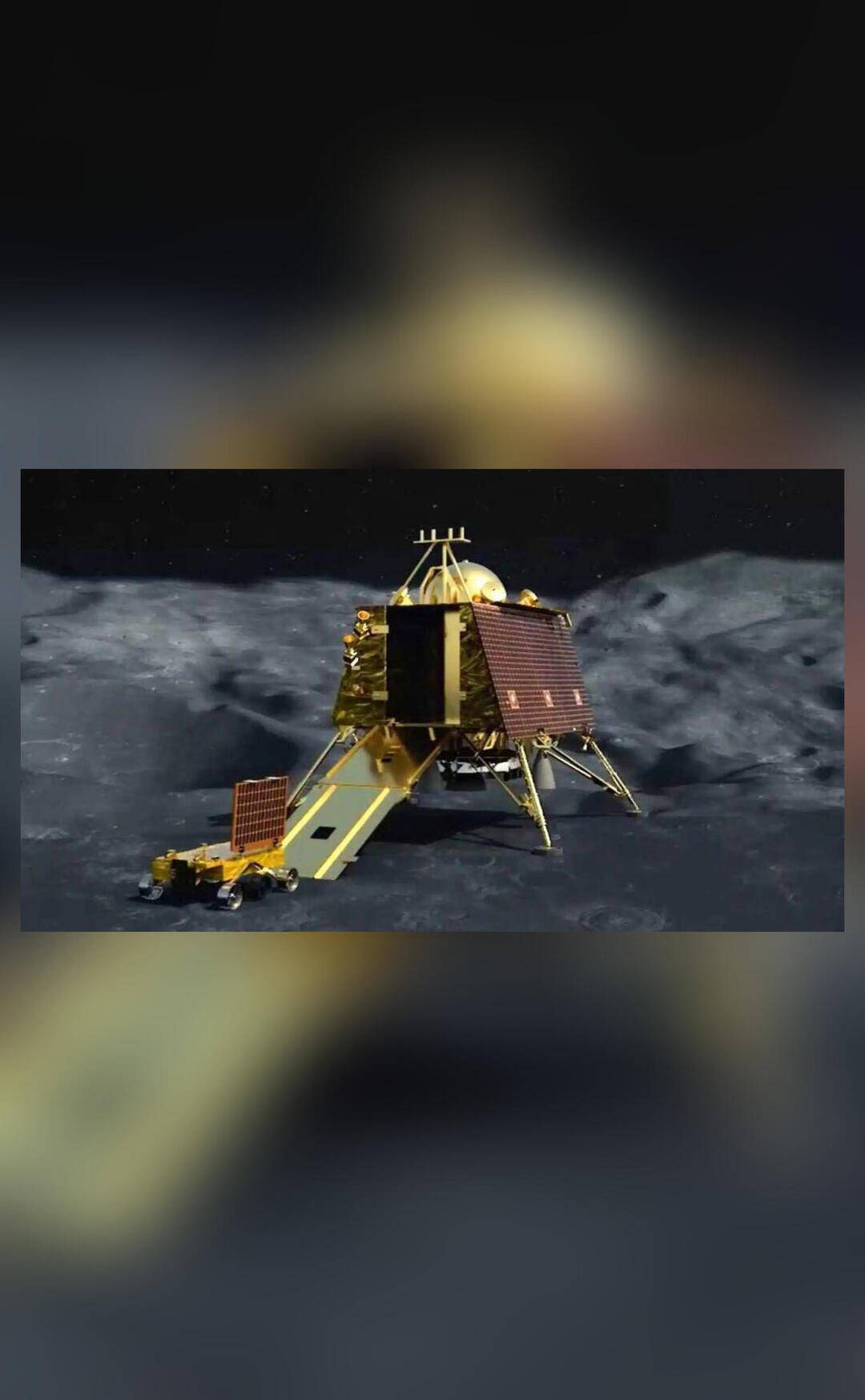
The Chandrayaan-3 mission, which was launched by ISRO in 2023, consists of a lunar lander, a rover, and a propulsion module. While the lander and rover are designed to touch down on the Moon’s surface and conduct scientific experiments, the propulsion module serves as the primary propulsion system for the spacecraft. In November 2025, the propulsion module underwent a significant change in its orbit around the Earth, courtesy of the Moon’s gravity. On November 6, the module flew by the Moon at an altitude of 3,740 km, and again on November 11, it passed by the lunar body at a distance of 4,537 km.
During these two flybys, the Moon’s gravity pulled the spacecraft, naturally altering its path without the need for any fuel consumption. This gravitational manipulation, also known as a gravity assist, is a technique commonly used in space missions to change the trajectory of a spacecraft. By flying a spacecraft close to a celestial body, such as a planet or moon, the spacecraft can gain speed and change direction, thanks to the gravitational force exerted by the celestial body. In the case of the Chandrayaan-3 propulsion module, the Moon’s gravity altered its orbit size and direction, marking a significant milestone in the mission.
The gravity assist technique has been used in numerous space missions in the past, including NASA’s Voyager 1 and 2, which flew by Jupiter and Saturn to gain speed and change direction. Similarly, the European Space Agency’s Rosetta mission used gravity assists from Earth and Mars to reach its target comet, 67P/Churyumov-Gerasimenko. The Chandrayaan-3 mission’s use of the Moon’s gravity to alter the orbit of its propulsion module is a testament to the ingenuity and expertise of ISRO’s scientists and engineers.
The altered orbit of the propulsion module has significant implications for the Chandrayaan-3 mission. By changing the module’s orbit size and direction, ISRO has been able to save fuel and extend the mission’s lifespan. The propulsion module, which is designed to provide the primary propulsion for the spacecraft, can now continue to operate for a longer period, ensuring the success of the mission. Furthermore, the gravity assist technique used in this mission demonstrates the potential for future space missions to harness the power of gravitational forces to achieve their objectives.
In conclusion, the Chandrayaan-3 mission’s use of the Moon’s gravity to alter the orbit of its propulsion module is a remarkable achievement that highlights the importance of understanding and utilizing gravitational forces in space missions. By harnessing the power of the Moon’s gravity, ISRO has been able to change the module’s orbit size and direction, saving fuel and extending the mission’s lifespan. As space agencies around the world continue to push the boundaries of space exploration, the use of gravity assists and other gravitational manipulation techniques will play an increasingly important role in achieving mission objectives.
About the Author