How Moon altered the orbit of Chandrayaan-3’s propulsion module?
In a remarkable display of celestial mechanics, the Indian Space Research Organisation’s (ISRO) Chandrayaan-3 mission has witnessed a significant alteration in the orbit of its propulsion module, thanks to the gravitational influence of the Moon. This phenomenon occurred in November 2025, when the spacecraft made two close flybys of the lunar surface, resulting in a substantial change in its Earth orbit without the need for any fuel consumption.
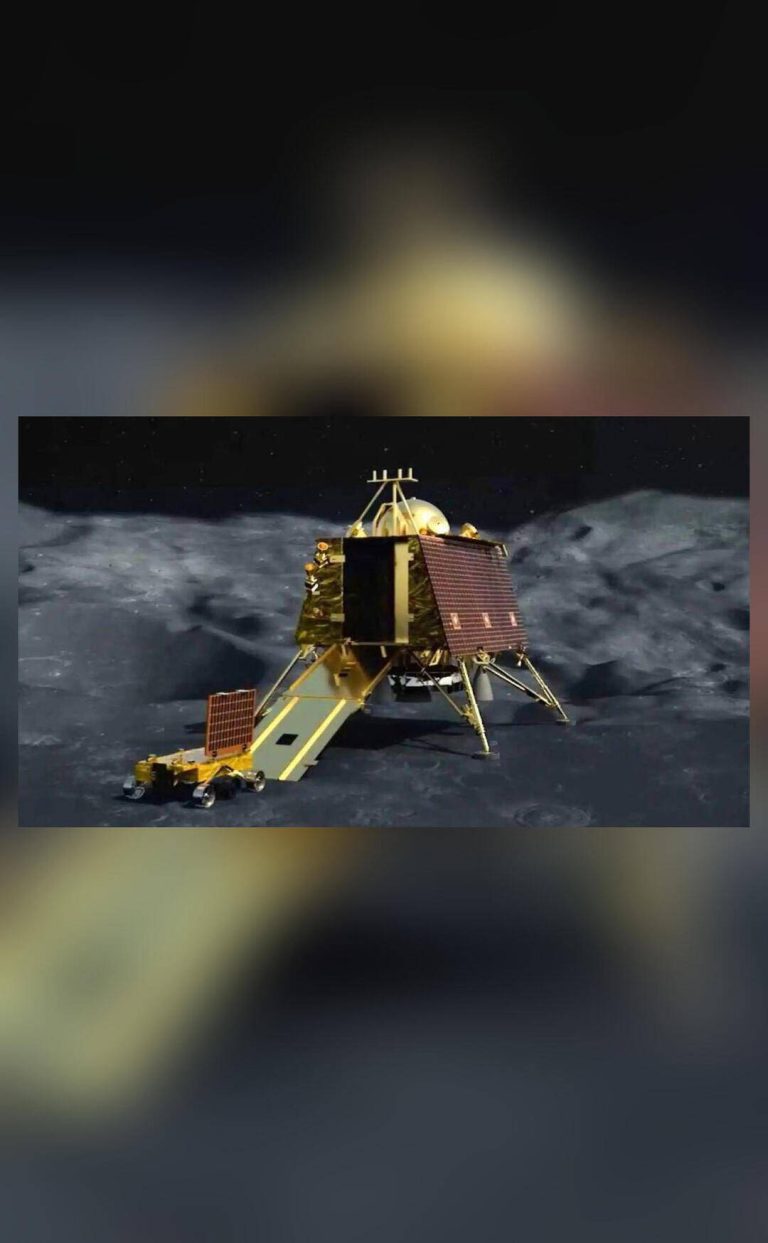
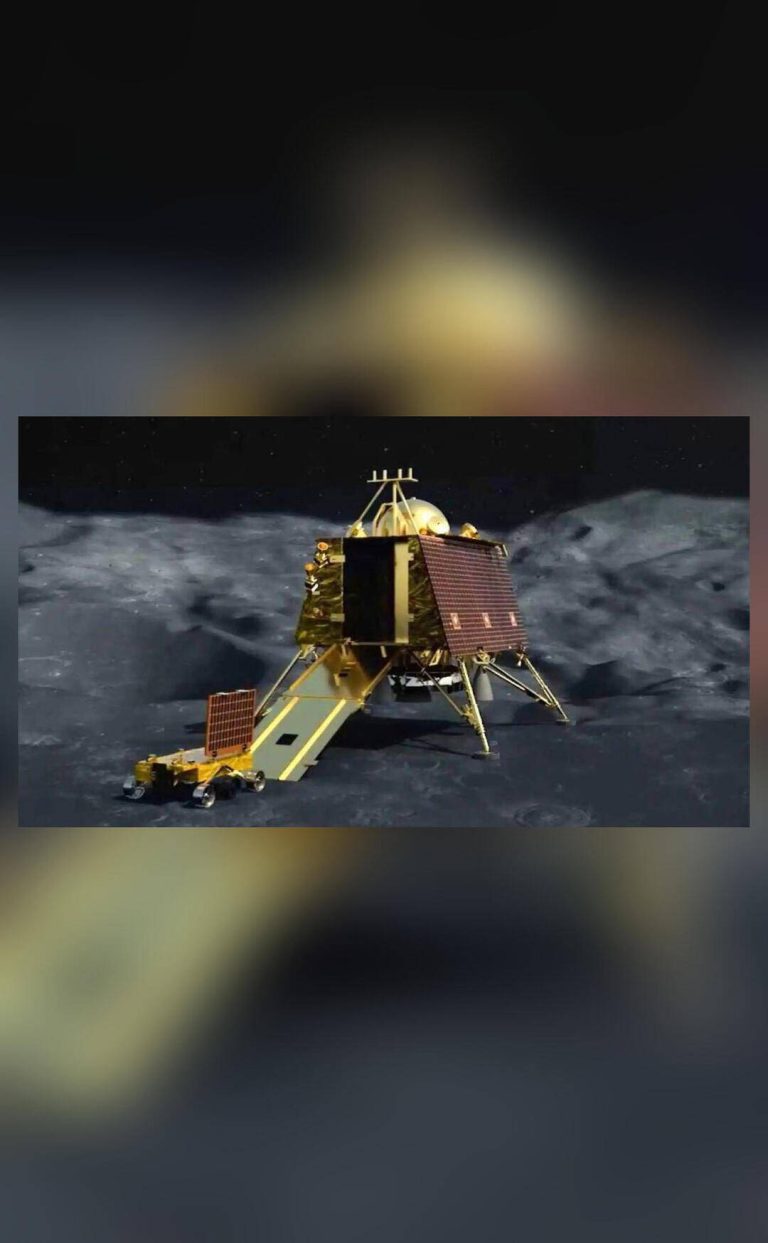
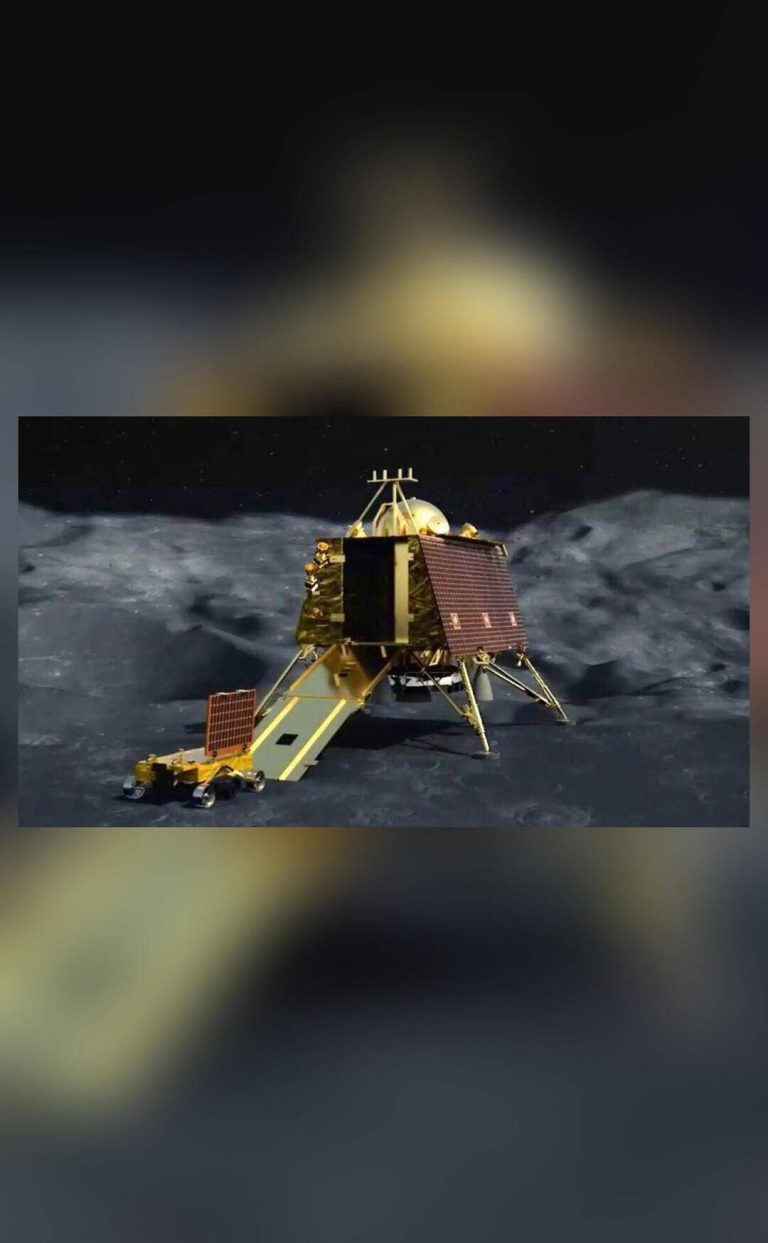
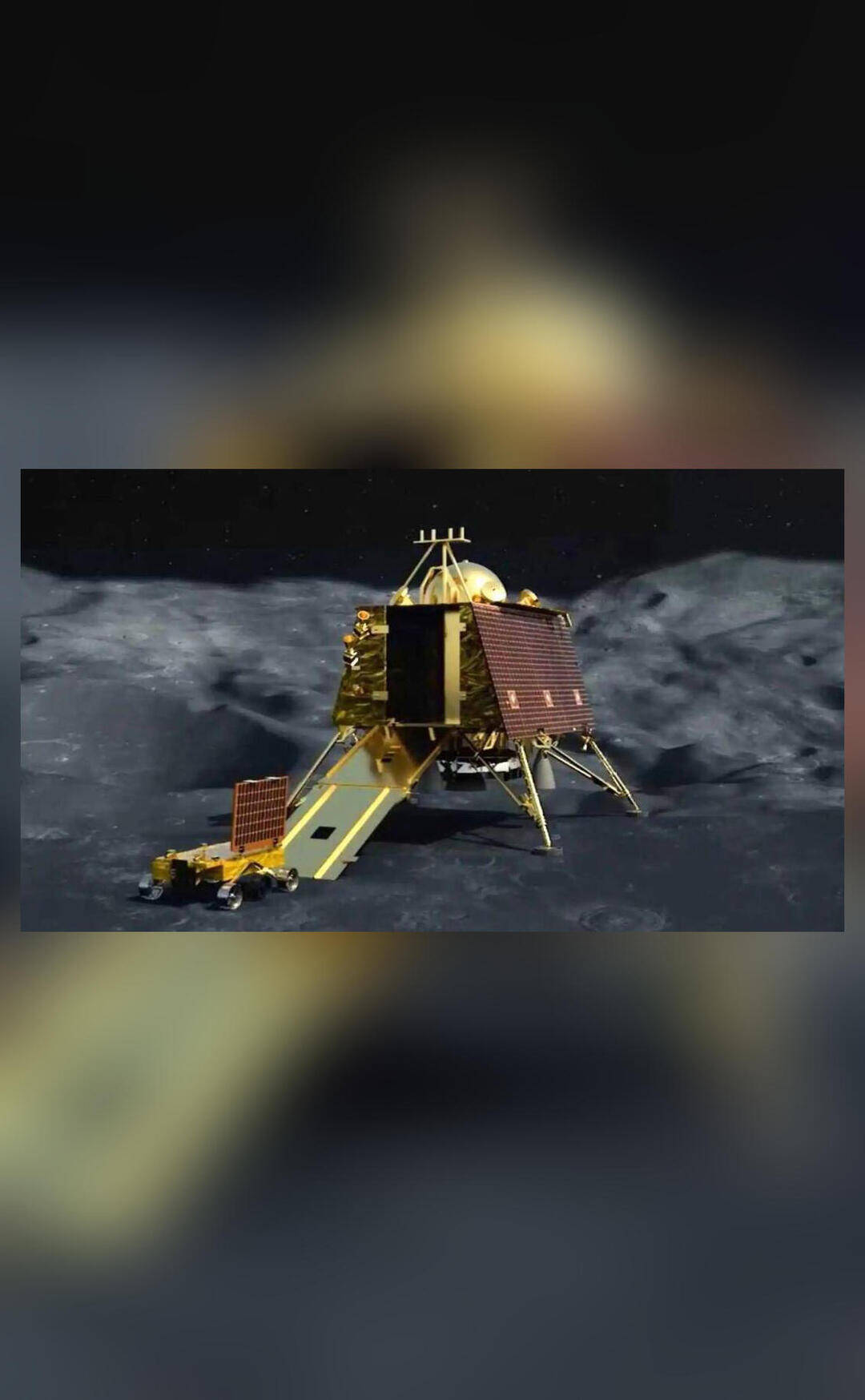
To understand the context of this event, it is essential to delve into the details of the Chandrayaan-3 mission and its objectives. Chandrayaan-3 is India’s third lunar mission, aimed at furthering our understanding of the Moon’s surface and subsurface. The mission comprises a propulsion module, a lander, and a rover, all designed to work in tandem to achieve the scientific goals of the mission. The propulsion module serves as the backbone of the spacecraft, providing the necessary thrust and navigation for the entire mission.
On November 6, 2025, the Chandrayaan-3 propulsion module made its first close flyby of the Moon, passing within a distance of approximately 3,740 kilometers. This event marked the beginning of a series of gravitational interactions between the spacecraft and the lunar body. The Moon’s gravity exerted a significant influence on the propulsion module, causing a subtle yet noticeable change in its trajectory.
Just five days later, on November 11, 2025, the spacecraft made another close flyby of the Moon, this time at a distance of about 4,537 kilometers. This second encounter further amplified the effects of the lunar gravity on the propulsion module, resulting in a more pronounced alteration of its orbit.
According to ISRO, the combined effect of these two flybys has significantly changed the size and direction of the propulsion module’s orbit around the Earth. This alteration in the spacecraft’s trajectory is a direct consequence of the lunar gravity’s influence, which has effectively “nudged” the spacecraft into a new orbital path.
The remarkable aspect of this event is that the change in the propulsion module’s orbit was achieved without the use of any fuel. In space exploration, fuel is a precious resource, and any opportunity to conserve it is highly valued. The fact that the lunar gravity was able to alter the spacecraft’s orbit in a predictable and controlled manner demonstrates the ingenuity and precision of the Chandrayaan-3 mission’s design.
The implications of this event are far-reaching and highlight the importance of understanding the complex interactions between celestial bodies in our solar system. By leveraging the gravitational influence of the Moon, ISRO has demonstrated a novel approach to spacecraft navigation, one that could potentially be applied to future missions.
As we continue to explore and understand the workings of our universe, events like the alteration of the Chandrayaan-3 propulsion module’s orbit serve as a reminder of the awe-inspiring complexity and beauty of celestial mechanics. The fact that the Moon’s gravity can have such a profound impact on a spacecraft’s trajectory is a testament to the intricate dance of gravitational forces that govern the behavior of objects in our solar system.
In conclusion, the alteration of the Chandrayaan-3 propulsion module’s orbit by the Moon’s gravity is a remarkable achievement that showcases the ingenuity and precision of ISRO’s mission design. As we look to the future of space exploration, it is essential to continue pushing the boundaries of our understanding of celestial mechanics and the complex interactions between celestial bodies.
About the Author