How Moon altered the orbit of Chandrayaan-3’s propulsion module?
The Indian Space Research Organisation (ISRO) has achieved a significant milestone in the Chandrayaan-3 mission, as the spacecraft’s propulsion module had its Earth orbit significantly altered in November 2025 after passing close to the Moon. This remarkable feat was made possible by the lunar gravity, which pulled the spacecraft during two flybys, one at 3,740 km on November 6 and another at 4,537 km on November 11. The altered orbit is a result of the natural gravitational forces exerted by the Moon on the spacecraft, without the need for any fuel consumption.
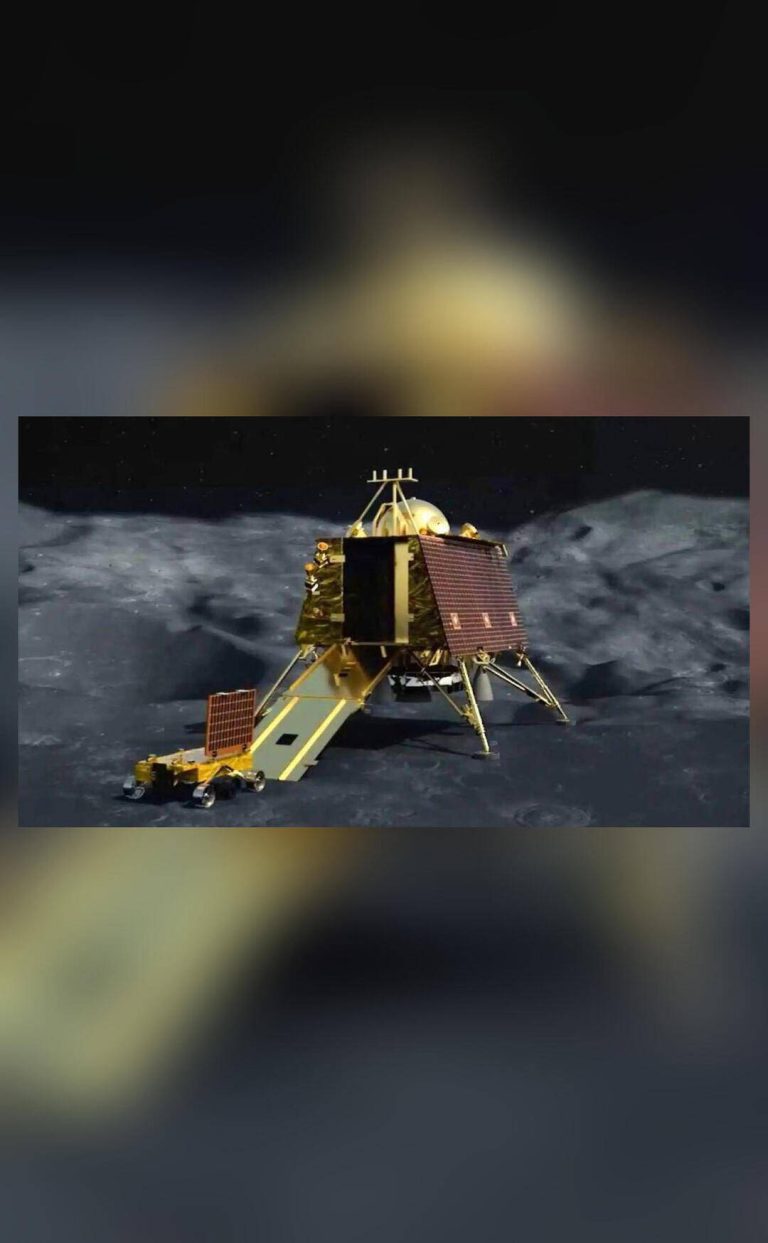
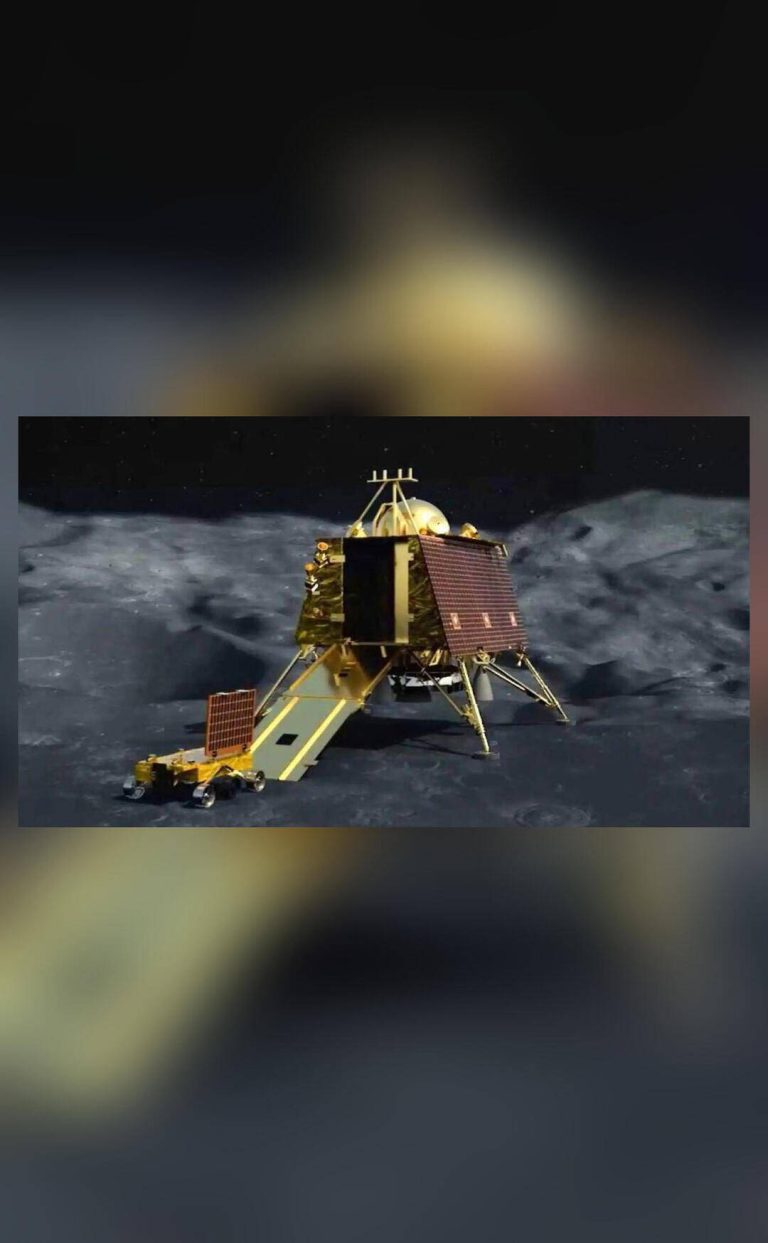
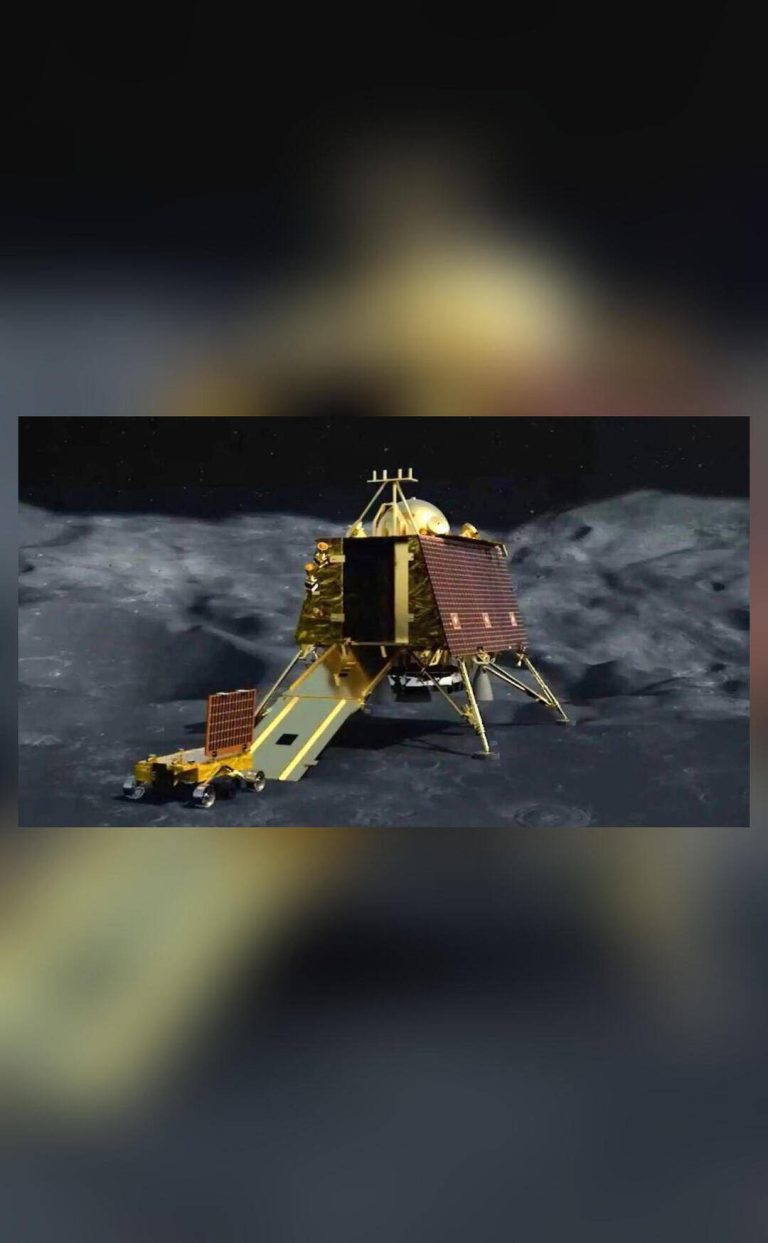
The Chandrayaan-3 mission, launched by ISRO, aims to further explore the lunar surface and conduct scientific experiments. The spacecraft consists of a propulsion module, a lander, and a rover. While the lander and rover are designed to descend onto the lunar surface, the propulsion module serves as the primary spacecraft, providing the necessary propulsion and communication systems for the mission. The recent orbital changes to the propulsion module have significant implications for the mission’s success and highlight the ingenuity of ISRO’s engineers.
The first flyby, which occurred on November 6 at an altitude of 3,740 km, marked the beginning of the lunar gravity’s influence on the spacecraft. As the propulsion module passed close to the Moon, the lunar gravity started to pull the spacecraft, gradually altering its trajectory. This gravitational force, although weak compared to the Earth’s gravity, was sufficient to change the spacecraft’s velocity and direction. The precise calculations and planning by ISRO’s engineers ensured that the spacecraft would take advantage of the lunar gravity, using it to modify its orbit without expending any fuel.
The second flyby, which took place on November 11 at an altitude of 4,537 km, further reinforced the orbital changes initiated by the first flyby. The lunar gravity continued to exert its influence, fine-tuning the spacecraft’s trajectory and setting it on a new course. This delicate dance between the spacecraft and the Moon’s gravity demonstrates the remarkable precision and accuracy achieved by ISRO’s engineers. By leveraging the natural gravitational forces, the spacecraft was able to alter its orbit, reducing the need for fuel consumption and increasing the mission’s overall efficiency.
The altered orbit of the propulsion module has significant implications for the Chandrayaan-3 mission. The changed orbit size and direction will allow the spacecraft to maintain a stable and efficient trajectory, ensuring the success of the mission’s scientific experiments and communication systems. The reduced fuel consumption resulting from the lunar gravity’s influence will also extend the spacecraft’s lifespan, enabling it to continue transmitting valuable data and insights from the lunar surface.
ISRO’s achievement in altering the orbit of the Chandrayaan-3’s propulsion module using the Moon’s gravity is a testament to the organization’s expertise and innovative approach to space exploration. By harnessing the natural forces of the lunar gravity, ISRO’s engineers have demonstrated a deep understanding of celestial mechanics and the ability to adapt to the challenges of space travel. This achievement will undoubtedly contribute to the success of the Chandrayaan-3 mission and pave the way for future space exploration endeavors.
In conclusion, the Chandrayaan-3 mission has achieved a significant milestone, as the lunar gravity has altered the orbit of the propulsion module. This remarkable feat, made possible by the precise calculations and planning of ISRO’s engineers, highlights the ingenuity and expertise of the organization. As the mission continues to unfold, it is likely to provide valuable insights into the lunar surface and the celestial mechanics that govern our universe.
For more information on this story, please visit: https://www.newsbytesapp.com/news/science/how-chandrayaan-3-propulsion-module-s-orbit-was-altered-by-moon-s-gravity/story
About the Author