How Moon altered the orbit of Chandrayaan-3’s propulsion module?
In a remarkable demonstration of gravitational manipulation, the Indian Space Research Organisation’s (ISRO) Chandrayaan-3 mission has achieved a significant alteration in the orbit of its propulsion module, courtesy of the Moon’s gravity. This extraordinary feat was accomplished in November 2025, when the spacecraft performed two close flybys of the lunar surface, leveraging the Moon’s gravitational pull to change its orbital trajectory without expending any fuel.
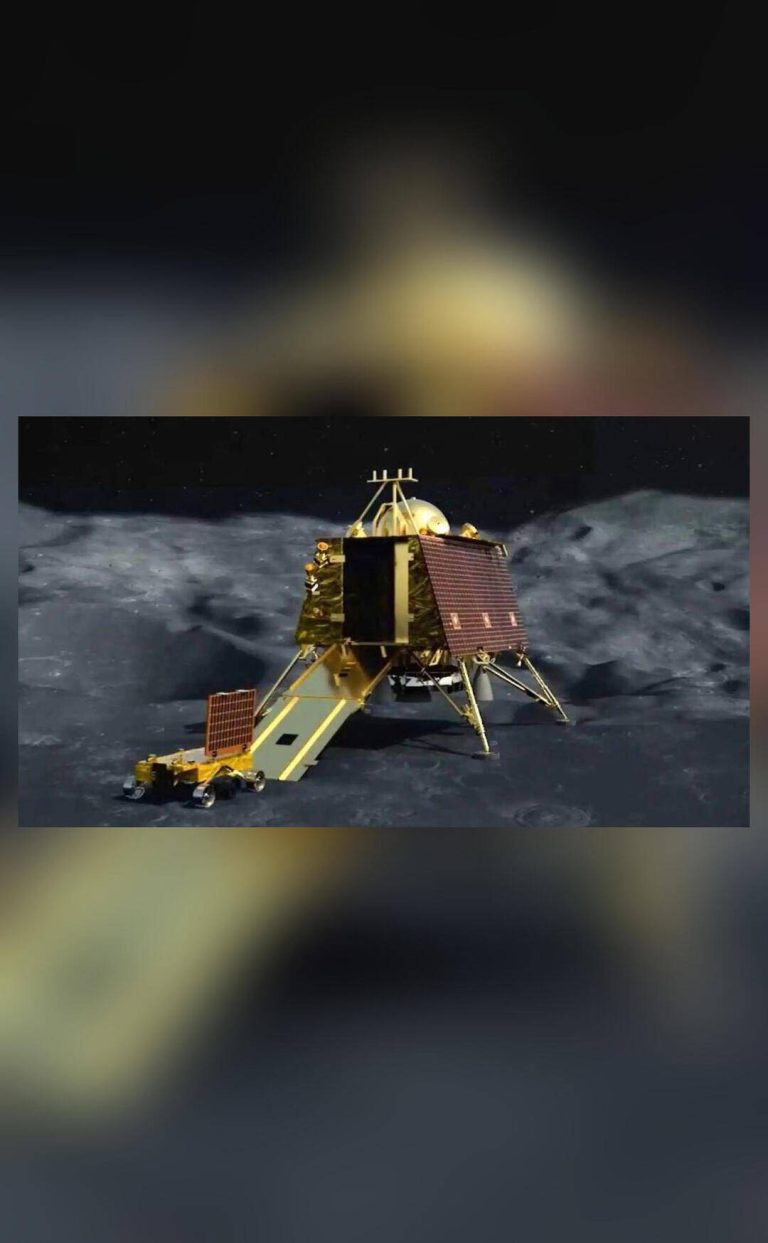
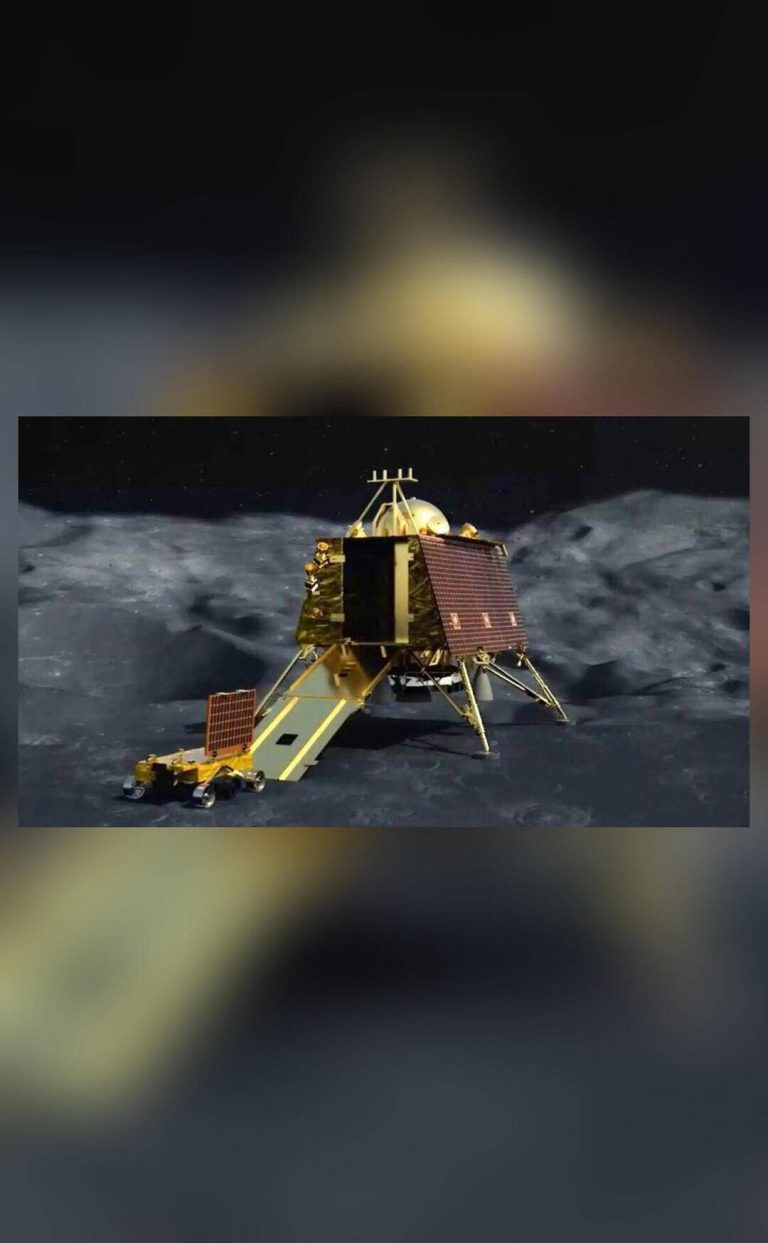
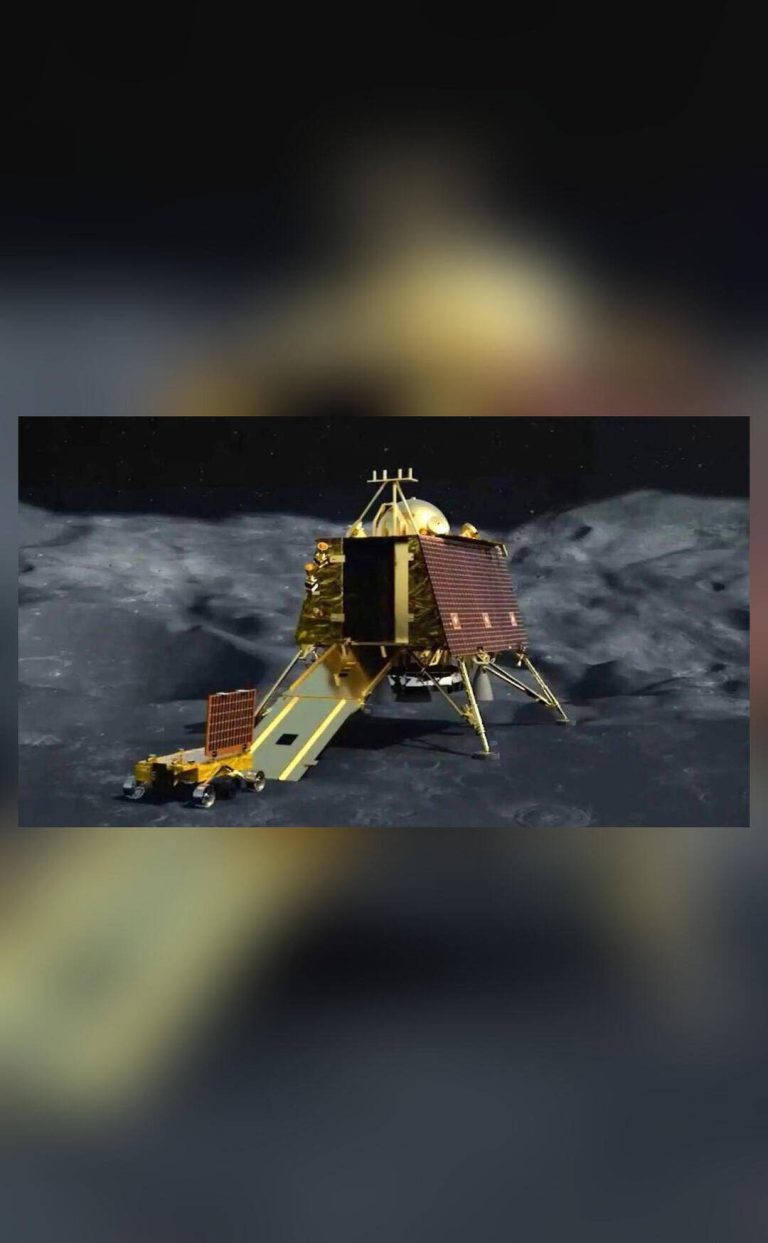
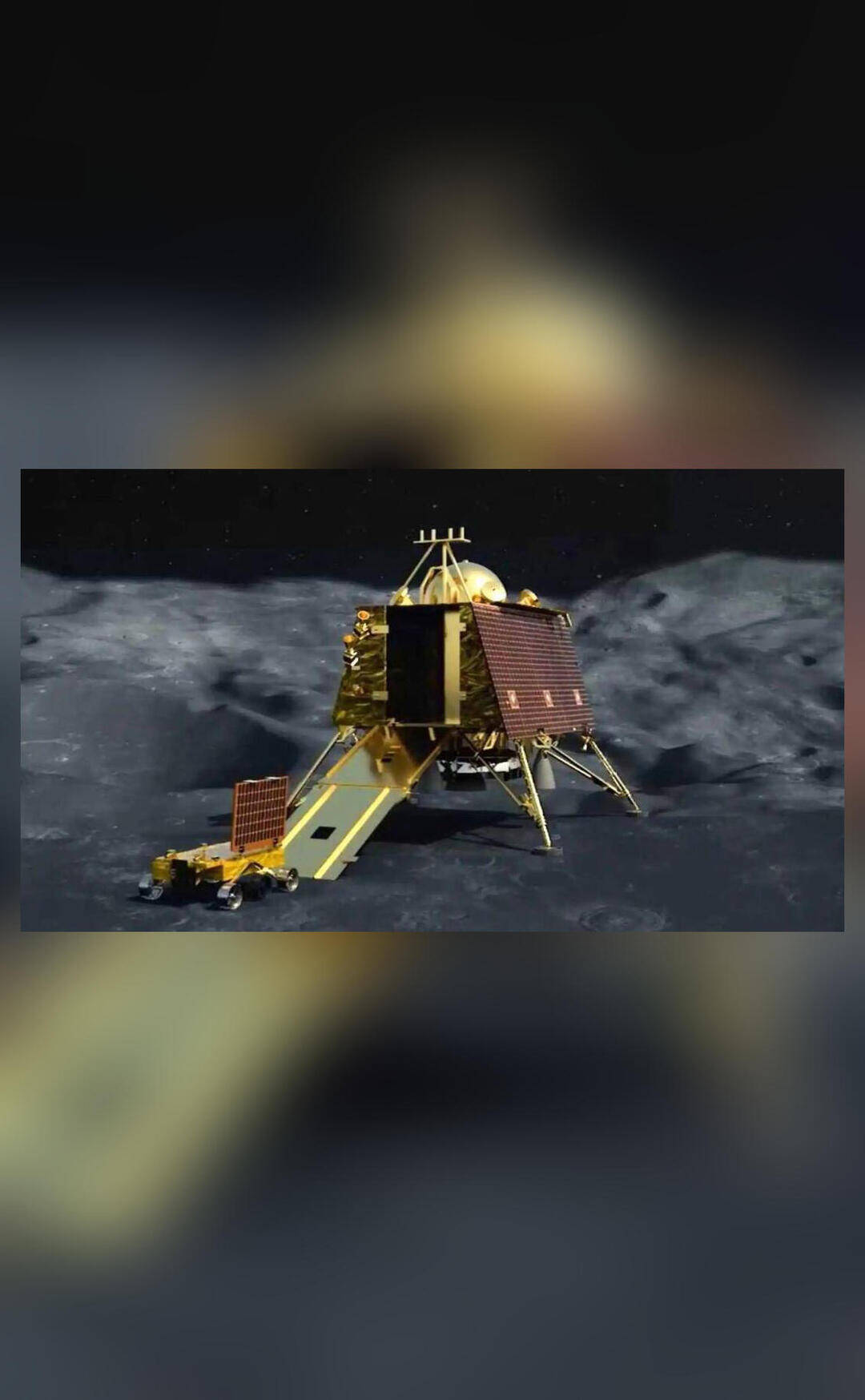
The Chandrayaan-3 mission, launched by ISRO, is an ambitious endeavor aimed at exploring the Moon’s south pole. The mission comprises a propulsion module, a lander, and a rover, all designed to work in tandem to achieve the mission’s objectives. While the lander and rover are tasked with descending to the lunar surface and conducting scientific experiments, the propulsion module serves as the primary propulsion system, providing the necessary thrust to navigate the spacecraft through space.
On November 6, 2025, the Chandrayaan-3 propulsion module executed a close flyby of the Moon, passing within a mere 3,740 kilometers of the lunar surface. This proximity to the Moon allowed the spacecraft to experience a significant gravitational pull, which, in turn, altered its orbital trajectory. The gravitational force exerted by the Moon on the spacecraft caused a slight change in its velocity, resulting in a modification of its orbital path.
Just five days later, on November 11, 2025, the propulsion module performed another close flyby of the Moon, this time at an altitude of 4,537 kilometers. This second flyby further amplified the effects of the lunar gravity on the spacecraft, resulting in an even more substantial change in its orbital trajectory.
The combined effect of these two flybys has been nothing short of remarkable. According to ISRO, the lunar gravity has successfully altered the orbit of the propulsion module, changing both its size and direction. This alteration in the spacecraft’s orbit has been achieved without the use of any fuel, a testament to the ingenuity and precision of the mission’s planners.
The ability to harness the gravitational influence of celestial bodies to alter a spacecraft’s trajectory is a well-established technique in space exploration. This method, known as gravity assist, has been employed by numerous space agencies to send spacecraft to distant planets and moons, often with remarkable success. The Chandrayaan-3 mission’s exploitation of the Moon’s gravity to alter the orbit of its propulsion module is a prime example of this technique in action.
The implications of this achievement are significant, as it demonstrates the ability of spacecraft to utilize the gravitational influence of celestial bodies to modify their trajectories, thereby conserving fuel and extending their operational lifespan. This technique can be particularly useful for deep space missions, where the limited availability of fuel and the vast distances involved make every gram of propellant count.
The success of the Chandrayaan-3 mission in altering the orbit of its propulsion module using the Moon’s gravity is a tribute to the ingenuity and expertise of ISRO’s scientists and engineers. As the mission continues to unfold, it is likely to provide valuable insights into the Moon’s composition, geology, and atmosphere, shedding new light on the mysteries of our closest celestial neighbor.
In conclusion, the Chandrayaan-3 mission’s successful exploitation of the Moon’s gravity to alter the orbit of its propulsion module is a remarkable achievement, showcasing the ingenuity and precision of ISRO’s space program. As we continue to push the boundaries of space exploration, techniques like gravity assist will play an increasingly important role in enabling us to traverse the vast expanses of our solar system.
About the Author