How Moon altered the orbit of Chandrayaan-3’s propulsion module?
The Indian Space Research Organisation (ISRO) has been making headlines with its Chandrayaan-3 mission, which has been a significant milestone in the country’s space exploration journey. Recently, the mission’s propulsion module had its Earth orbit significantly altered in November 2025 after passing close to the Moon. This alteration in the orbit was a result of the lunar gravity pulling the spacecraft during two close flybys, which naturally changed its path without using any fuel.
The first flyby occurred on November 6, when the spacecraft passed within 3,740 km of the Moon’s surface. The second flyby took place on November 11, at a distance of 4,537 km. During these close encounters, the Moon’s gravity exerted a significant force on the spacecraft, pulling it towards the lunar surface. As a result, the spacecraft’s orbit was altered, changing its size and direction.
This phenomenon is not unique to the Chandrayaan-3 mission and has been observed in other spacecraft that have flown by the Moon. The lunar gravity has a significant impact on the trajectory of a spacecraft, and scientists often use this to their advantage to change the spacecraft’s orbit without using fuel. This technique is known as a “gravity assist” or “gravity slingshot,” and it has been used by space agencies around the world to send spacecraft to other planets and celestial bodies.
The Chandrayaan-3 mission is a significant milestone in India’s space exploration journey, and the successful alteration of the propulsion module’s orbit is a testament to the ingenuity and expertise of ISRO scientists. The mission is designed to study the Moon’s surface and subsurface, and the propulsion module is a critical component of the spacecraft. The module is responsible for providing the necessary thrust to the spacecraft to escape Earth’s gravity and travel to the Moon.
The alteration of the propulsion module’s orbit is a significant event, as it demonstrates the ability of ISRO to navigate the spacecraft through complex gravitational fields. The Moon’s gravity is much weaker than the Earth’s, but it is still significant enough to affect the trajectory of a spacecraft. By using the lunar gravity to alter the spacecraft’s orbit, ISRO scientists have been able to save fuel and extend the mission’s lifespan.
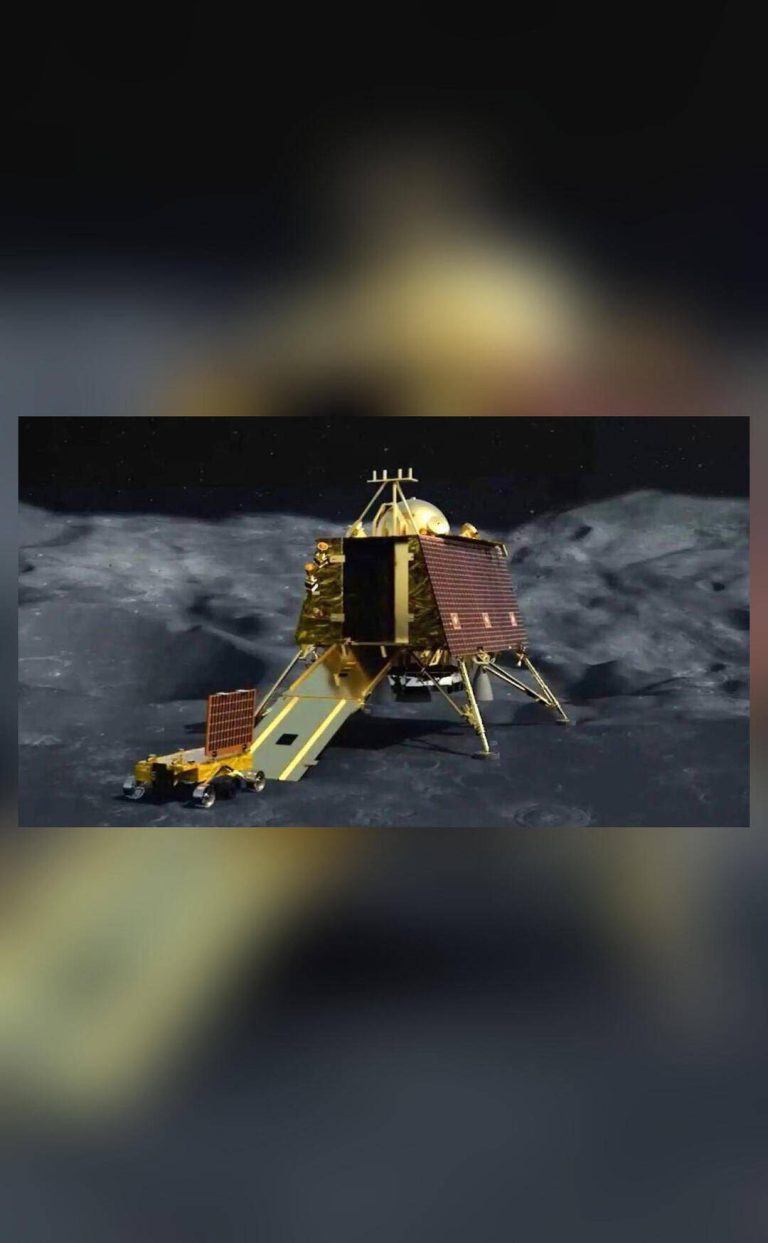
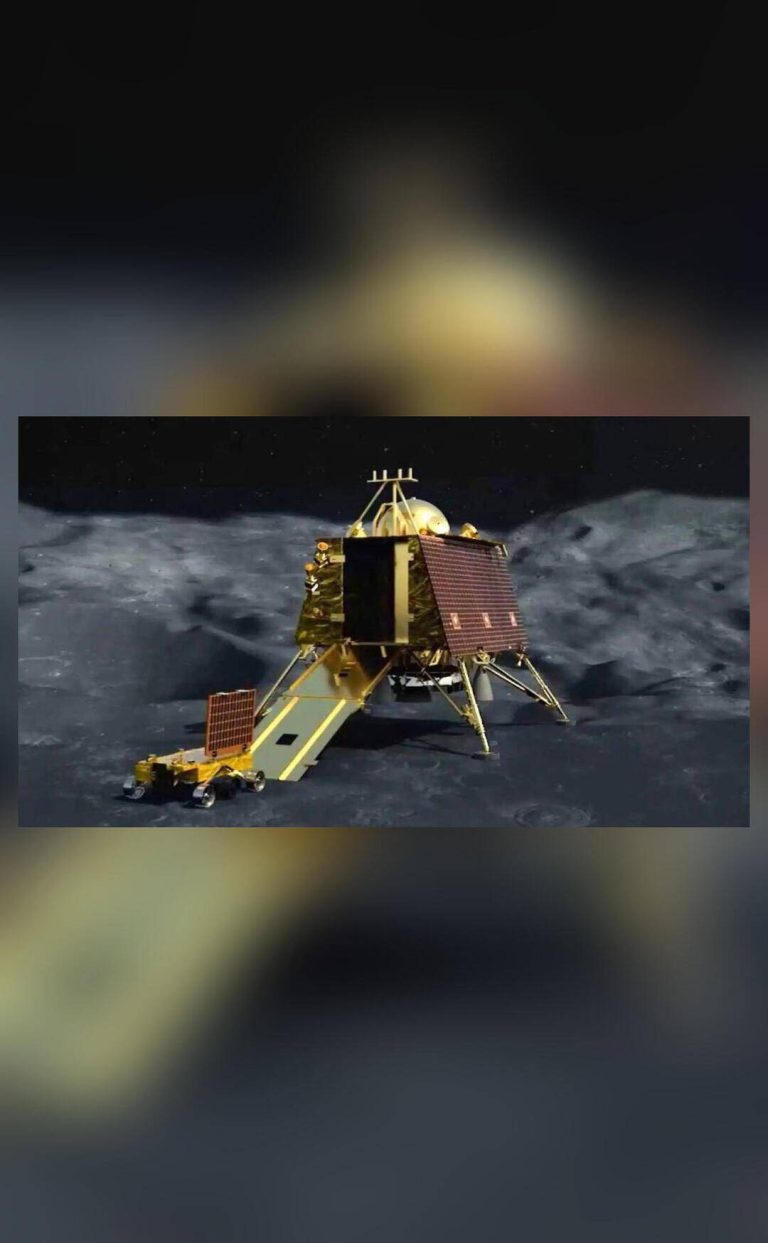
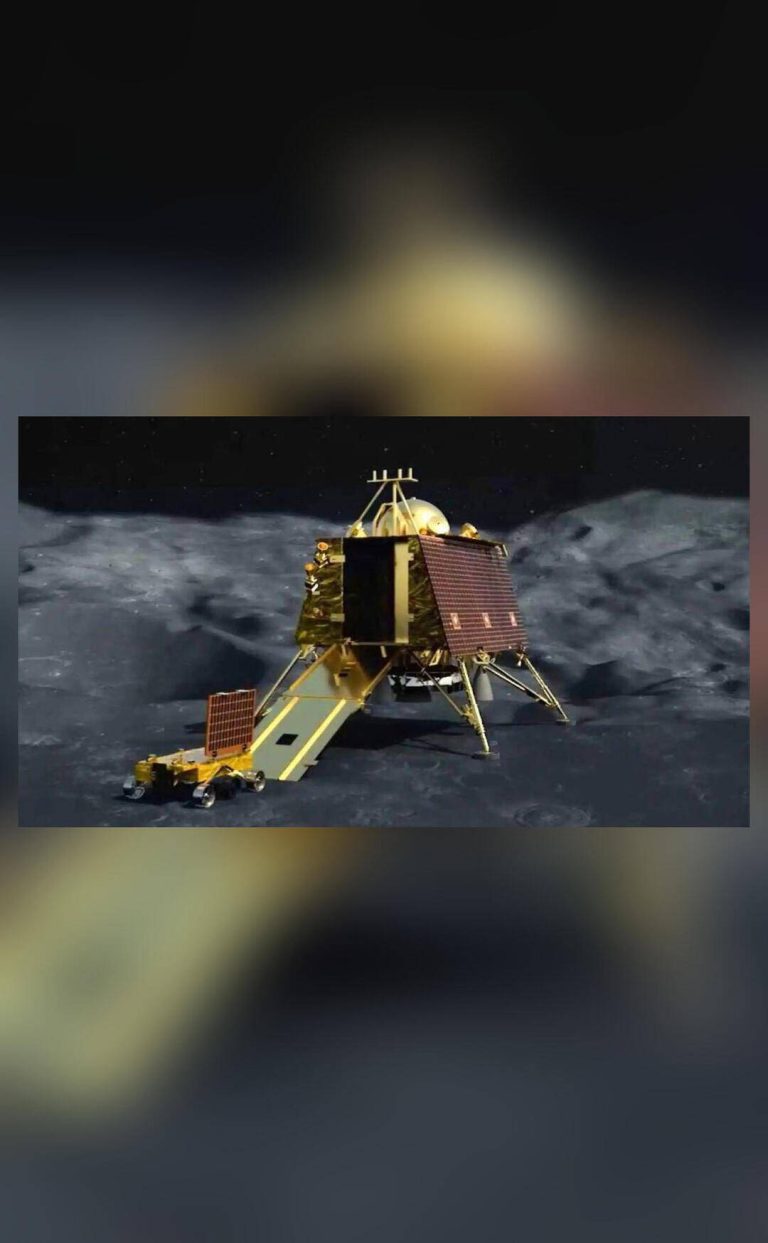
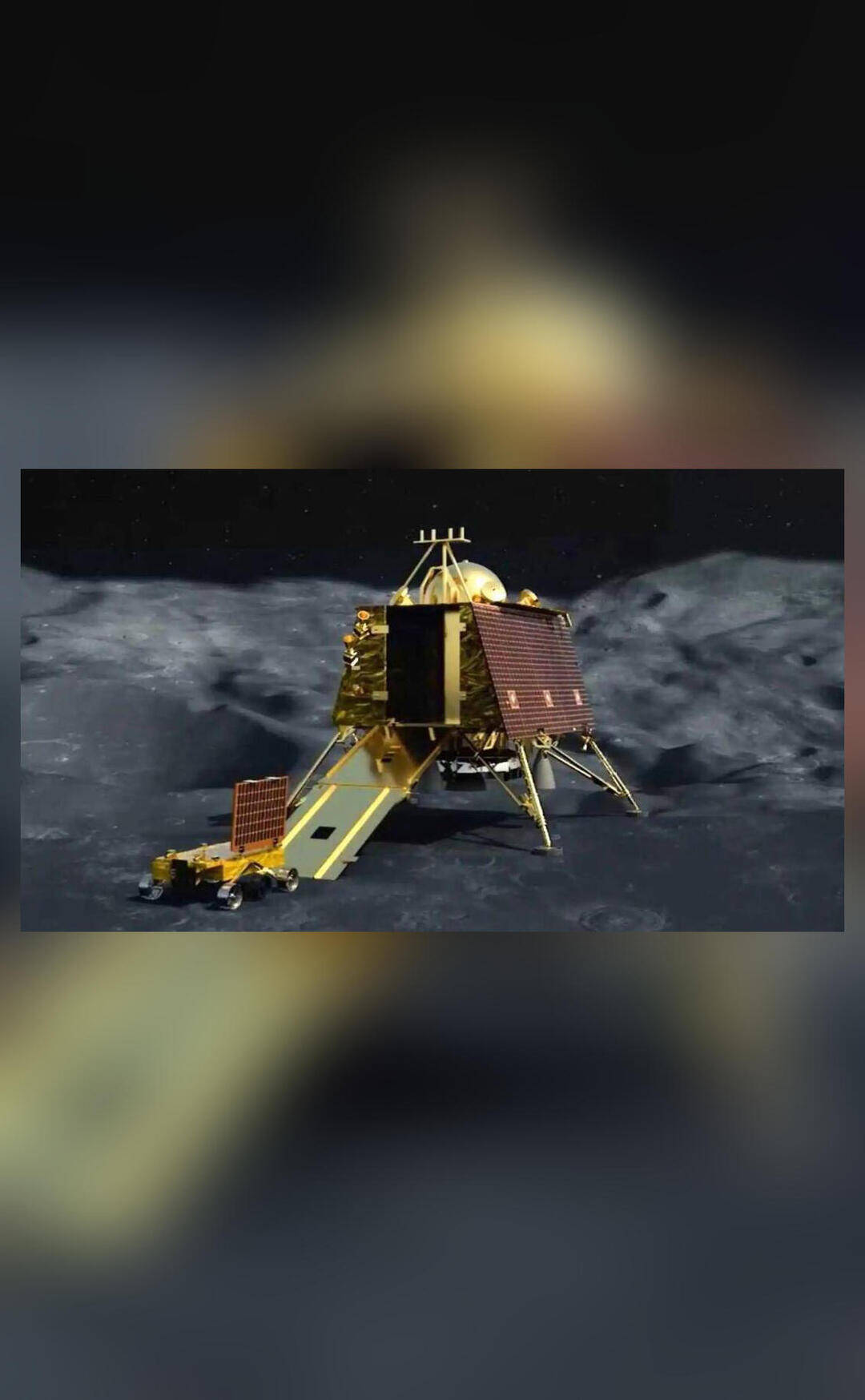
The Chandrayaan-3 mission is part of India’s larger lunar exploration program, which aims to study the Moon’s surface and subsurface in detail. The mission includes a lander and a rover, which are designed to touch down on the lunar surface and conduct scientific experiments. The propulsion module is a critical component of the mission, as it provides the necessary thrust to the spacecraft to escape Earth’s gravity and travel to the Moon.
The success of the Chandrayaan-3 mission has significant implications for India’s space program. The mission demonstrates India’s ability to design, launch, and operate complex spacecraft, and it paves the way for future lunar and planetary missions. The mission also highlights the importance of international cooperation in space exploration, as ISRO has collaborated with other space agencies around the world to achieve its goals.
In conclusion, the alteration of the Chandrayaan-3 propulsion module’s orbit is a significant event that demonstrates the ingenuity and expertise of ISRO scientists. The use of lunar gravity to change the spacecraft’s orbit without using fuel is a testament to the agency’s ability to navigate complex gravitational fields and achieve its mission objectives. The success of the Chandrayaan-3 mission is a significant milestone in India’s space exploration journey, and it paves the way for future lunar and planetary missions.
The Chandrayaan-3 mission is a complex and challenging endeavor, and its success is a result of the hard work and dedication of ISRO scientists and engineers. The mission has significant implications for our understanding of the Moon and its place in the solar system, and it demonstrates India’s commitment to space exploration and scientific discovery.
As the Chandrayaan-3 mission continues to unfold, it is likely to provide new insights into the Moon’s surface and subsurface. The mission’s success is a testament to the power of human ingenuity and curiosity, and it inspires future generations to pursue careers in science, technology, engineering, and mathematics (STEM).
In the coming months and years, the Chandrayaan-3 mission is likely to provide a wealth of new data and insights into the Moon and its place in the solar system. The mission’s success is a significant milestone in India’s space exploration journey, and it paves the way for future lunar and planetary missions.
About the Author