How Moon altered the orbit of Chandrayaan-3’s propulsion module?
In a remarkable demonstration of celestial mechanics, the Indian Space Research Organisation’s (ISRO) Chandrayaan-3 mission has showcased the significant impact of lunar gravity on the orbit of its propulsion module. In November 2025, the propulsion module, which is a crucial component of the Chandrayaan-3 spacecraft, underwent a substantial change in its Earth orbit after making two close flybys of the Moon. This alteration in the module’s orbit was achieved without the use of any fuel, solely due to the gravitational influence of the Moon.
The first flyby occurred on November 6, 2025, when the propulsion module passed within 3,740 kilometers of the Moon’s surface. This close encounter allowed the Moon’s gravity to exert a significant pull on the spacecraft, causing a noticeable change in its trajectory. Just five days later, on November 11, 2025, the propulsion module made another flyby of the Moon, this time at a distance of 4,537 kilometers. The combined effect of these two gravitational interactions resulted in a substantial alteration of the module’s orbit.
According to ISRO, the lunar gravity pulled the spacecraft during these two flybys, naturally altering its path without the need for any fuel consumption. This is a remarkable example of the efficiency of gravitational assists in space travel, where the gravity of celestial bodies can be harnessed to change the trajectory of a spacecraft. The changed orbit of the propulsion module has not only altered its size but also its direction, marking a significant milestone in the Chandrayaan-3 mission.
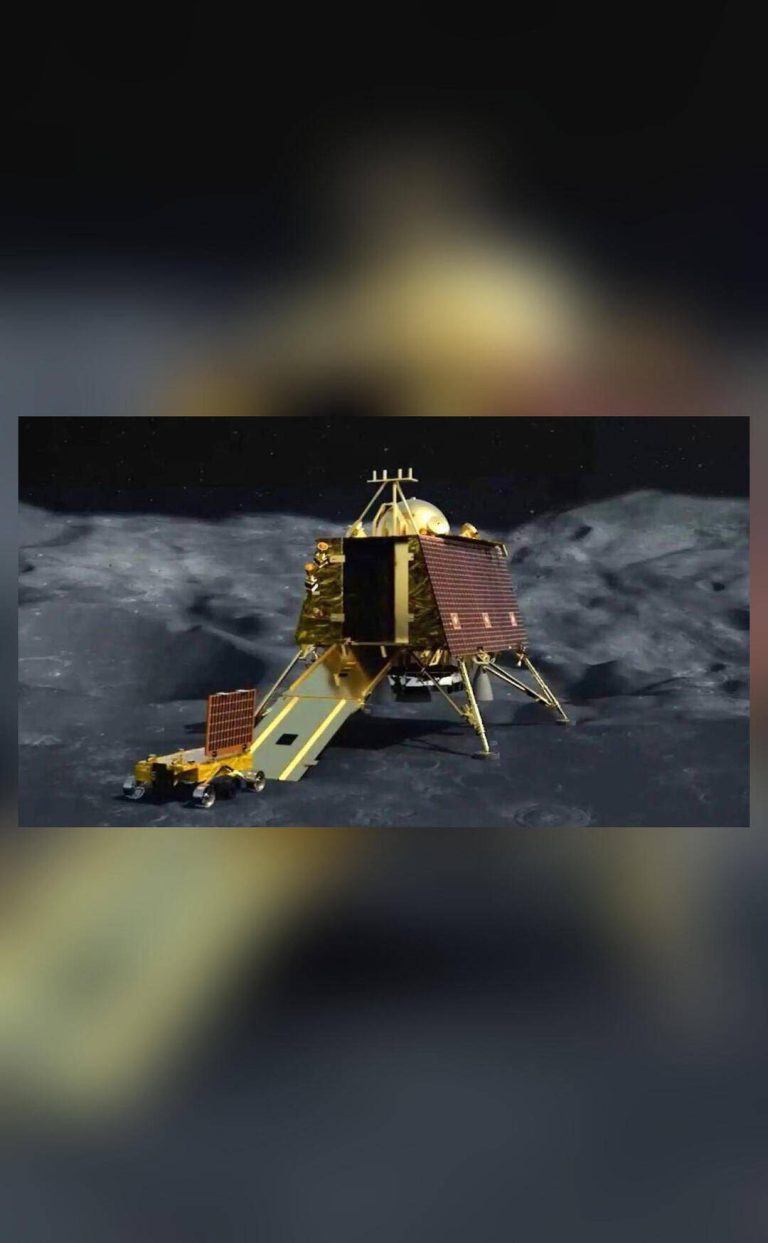
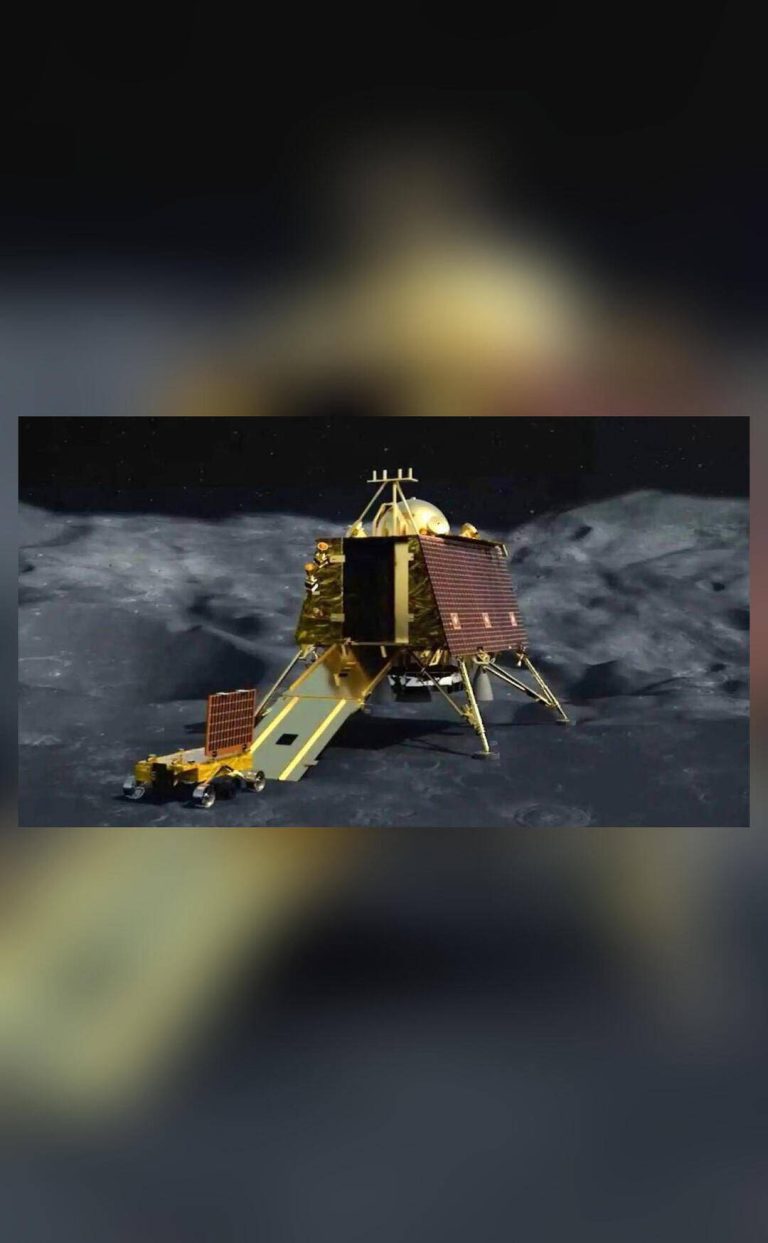
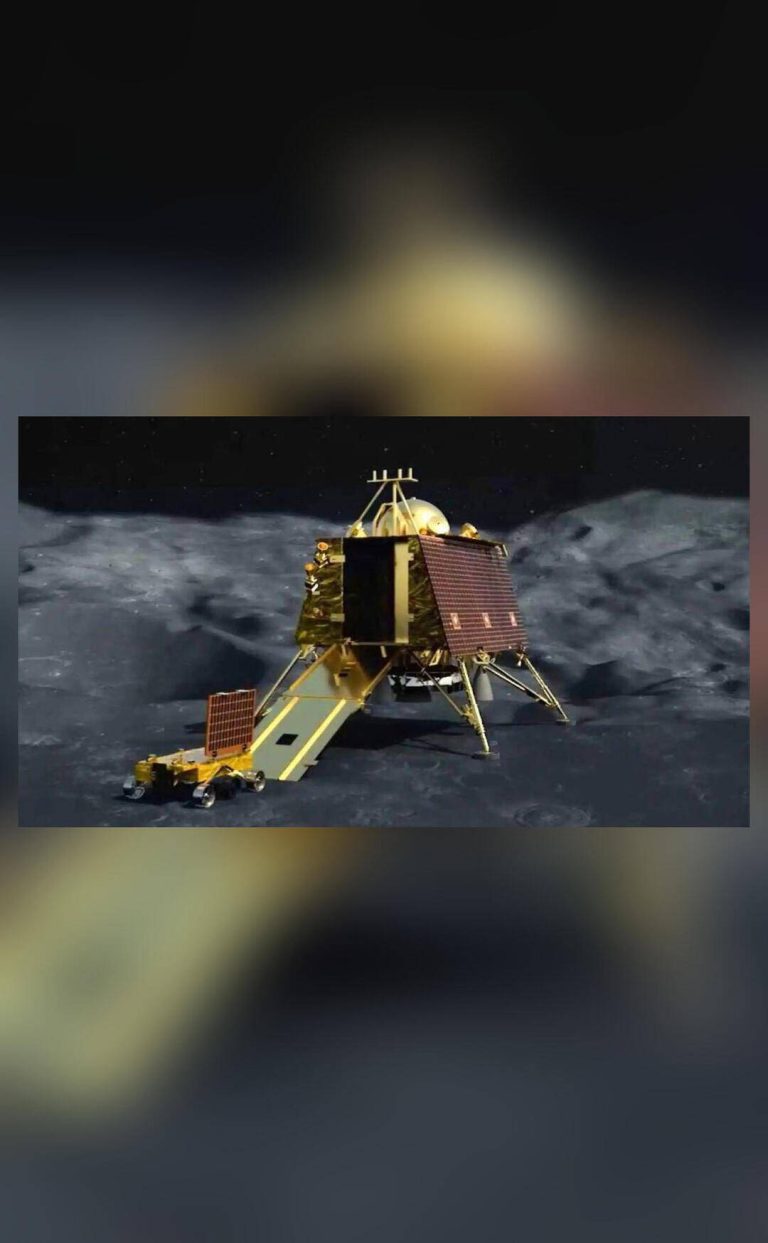
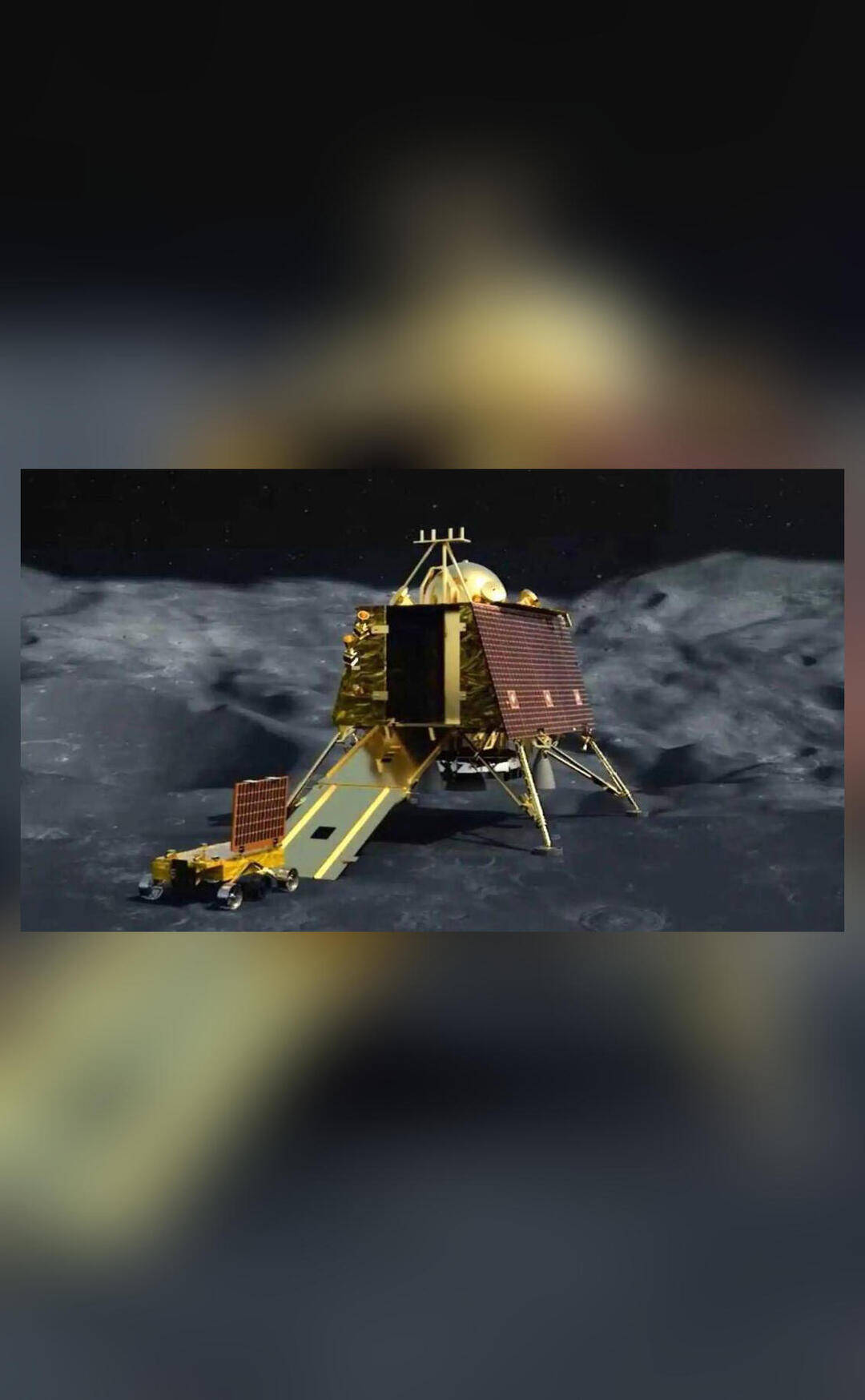
The Chandrayaan-3 mission, which was launched by ISRO in 2023, aims to demonstrate the capability to soft-land a spacecraft on the lunar surface. The mission consists of a propulsion module, a lander, and a rover, all of which are designed to work in tandem to achieve the mission objectives. The propulsion module, which is the subject of this article, serves as the primary propulsion system for the spacecraft, providing the necessary thrust to escape Earth’s gravity and travel to the Moon.
The use of gravitational assists, such as the one employed by the Chandrayaan-3 propulsion module, is a common technique in space exploration. By flying a spacecraft close to a celestial body, such as a planet or moon, the spacecraft can harness the gravity of that body to change its trajectory. This technique can be used to accelerate a spacecraft, slow it down, or even change its direction, all without the need for fuel consumption.
The success of the Chandrayaan-3 mission, particularly the alteration of the propulsion module’s orbit by the Moon’s gravity, demonstrates the ingenuity and expertise of ISRO in space exploration. The mission has not only showcased the capabilities of Indian space technology but also highlighted the importance of international cooperation in space research. The Chandrayaan-3 mission is a testament to the fact that space exploration is a global endeavor, requiring the collaboration of scientists, engineers, and researchers from around the world.
In conclusion, the alteration of the Chandrayaan-3 propulsion module’s orbit by the Moon’s gravity is a remarkable achievement that demonstrates the power of celestial mechanics in space exploration. The use of gravitational assists, such as the one employed by the Chandrayaan-3 mission, is a testament to the ingenuity and expertise of space agencies around the world. As we continue to explore the vast expanse of space, it is likely that we will see more examples of gravitational assists being used to change the trajectory of spacecraft, paving the way for more efficient and effective space travel.
About the Author