How Moon altered the orbit of Chandrayaan-3’s propulsion module?
The Indian Space Research Organisation (ISRO) has achieved a significant milestone in the Chandrayaan-3 mission, as the spacecraft’s propulsion module had its Earth orbit significantly altered in November 2025 after passing close to the Moon. This remarkable feat was made possible by the lunar gravity, which pulled the spacecraft during two flybys, one at 3,740 km on November 6 and another at 4,537 km on November 11, naturally altering its path without using fuel.
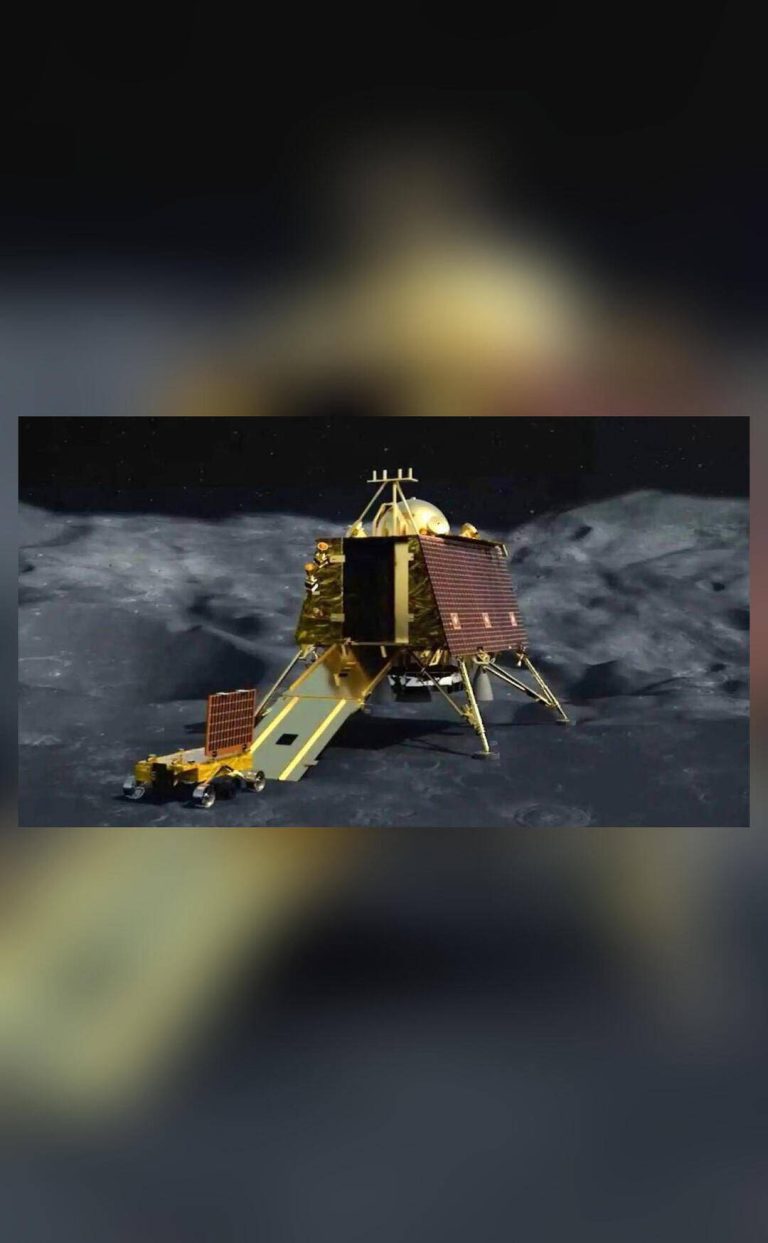
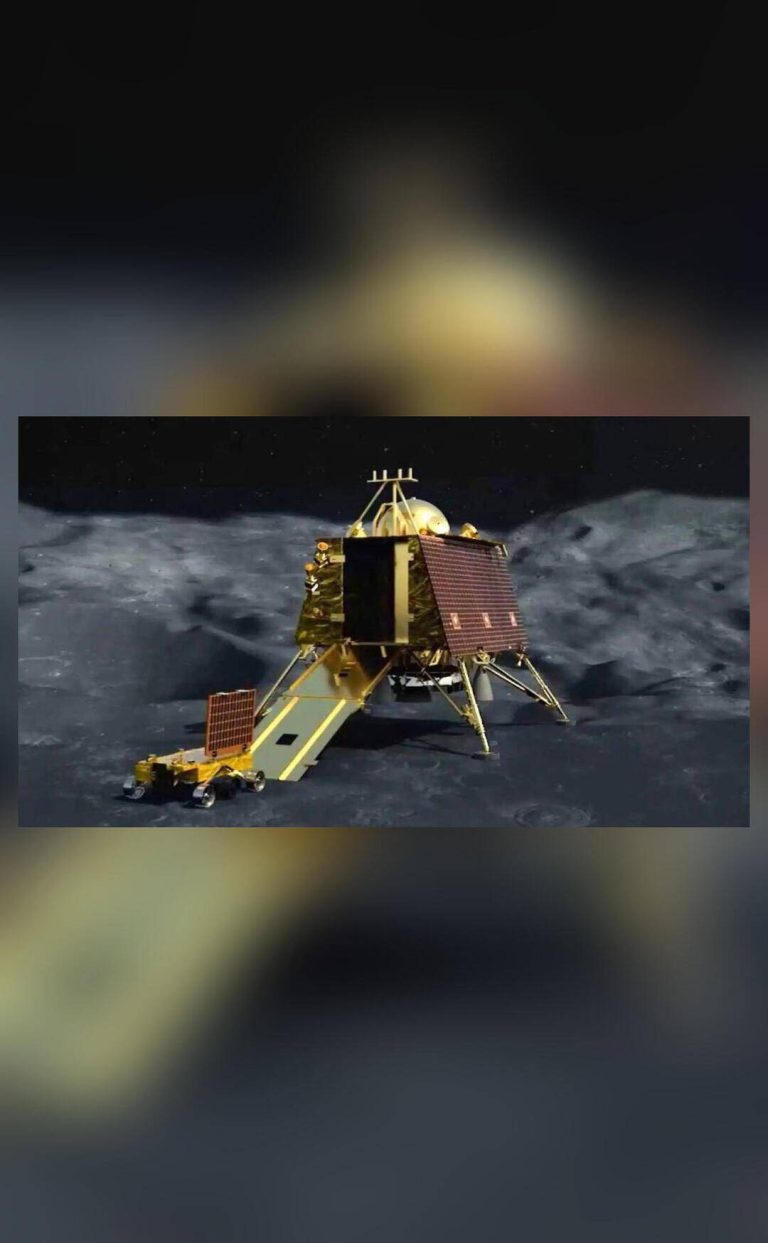
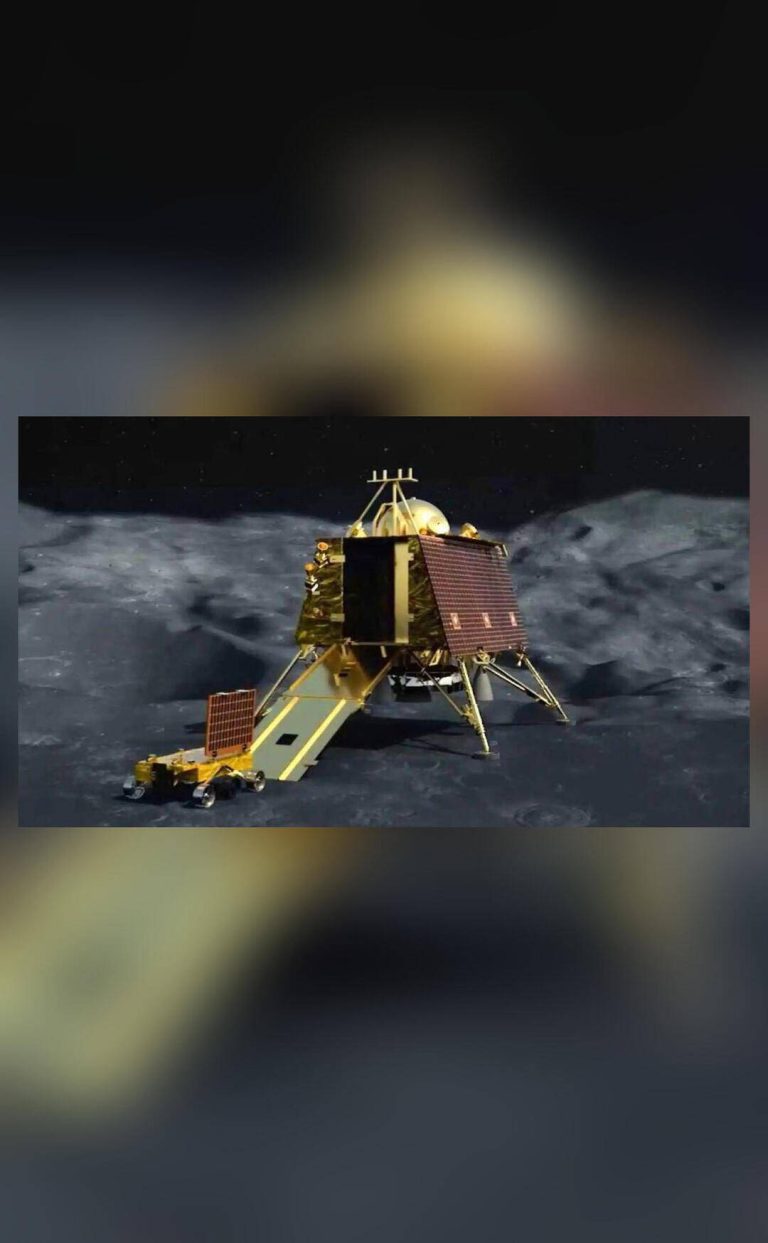
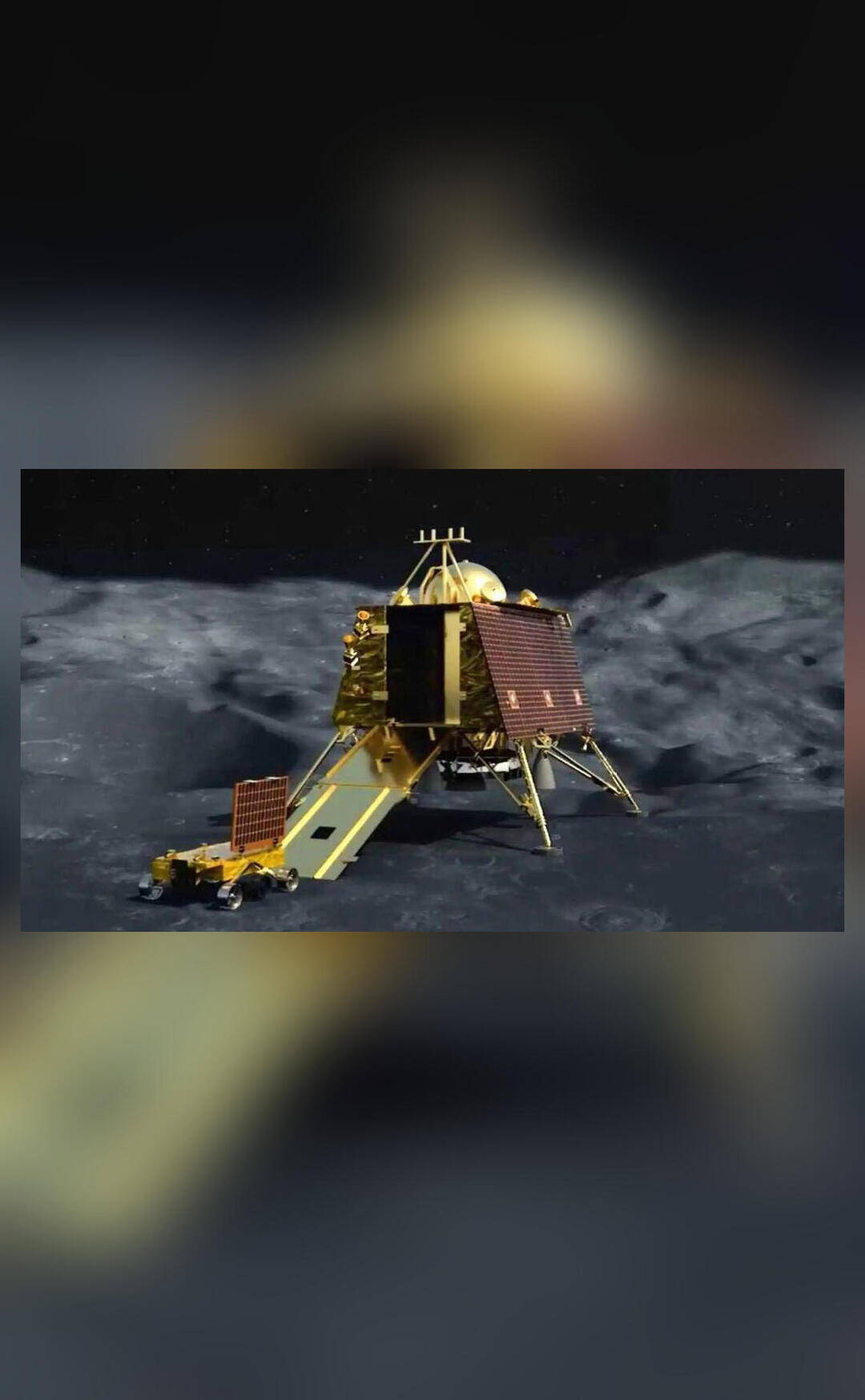
The Chandrayaan-3 mission, which was launched in July 2023, aims to demonstrate the capability to soft-land on the lunar surface and conduct scientific experiments. The mission consists of two main components: the propulsion module and the landing module. The propulsion module is responsible for providing the necessary thrust to the spacecraft, while the landing module carries the scientific payload and is designed to touch down on the lunar surface.
As the Chandrayaan-3 spacecraft approached the Moon, it began to experience the gravitational pull of the lunar body. The first flyby, which occurred on November 6 at an altitude of 3,740 km, marked the beginning of a complex series of gravitational interactions between the spacecraft and the Moon. During this flyby, the lunar gravity pulled the spacecraft, causing its trajectory to change.
The second flyby, which took place on November 11 at an altitude of 4,537 km, further altered the spacecraft’s path. The combined effect of these two flybys resulted in a significant change in the orbit of the propulsion module. According to ISRO, the lunar gravity pulled the spacecraft during the flybys, naturally altering its path without using fuel. This changed the module’s orbit size and direction, demonstrating the power of gravitational forces in space.
The alteration of the propulsion module’s orbit is a significant achievement for the Chandrayaan-3 mission. By harnessing the gravitational pull of the Moon, the spacecraft was able to change its trajectory without expending fuel. This not only saves precious resources but also demonstrates the ingenuity and expertise of ISRO’s engineers and scientists.
The use of gravitational forces to alter the trajectory of a spacecraft is a well-established technique in space exploration. By flying close to a celestial body, a spacecraft can harness the gravitational pull to change its path, a process known as a gravity assist. This technique has been used by numerous space agencies, including NASA and the European Space Agency, to send spacecraft to distant destinations in our solar system.
The success of the Chandrayaan-3 mission is a testament to India’s growing capabilities in space exploration. The mission has already achieved several milestones, including the successful launch of the spacecraft and the completion of the trans-lunar injection maneuver. The alteration of the propulsion module’s orbit is another significant achievement, demonstrating ISRO’s expertise in navigating the complexities of space travel.
As the Chandrayaan-3 mission continues to unfold, it is expected to provide valuable insights into the lunar surface and the surrounding space environment. The scientific payload carried by the landing module will conduct a range of experiments, including the study of the lunar regolith, the analysis of the lunar exosphere, and the search for water ice in the permanently shadowed craters.
In conclusion, the alteration of the Chandrayaan-3 propulsion module’s orbit by the Moon’s gravity is a significant achievement for the Indian space program. By harnessing the power of gravitational forces, the spacecraft was able to change its trajectory without expending fuel, demonstrating the ingenuity and expertise of ISRO’s engineers and scientists. As the mission continues to unfold, it is expected to provide valuable insights into the lunar surface and the surrounding space environment, further cementing India’s position as a major player in the global space community.
Read the full story at: https://www.newsbytesapp.com/news/science/how-chandrayaan-3-propulsion-module-s-orbit-was-altered-by-moon-s-gravity/story
About the Author