How Moon altered the orbit of Chandrayaan-3’s propulsion module?
In a remarkable demonstration of celestial mechanics, the Indian Space Research Organisation’s (ISRO) Chandrayaan-3 mission has witnessed a significant alteration in the orbit of its propulsion module, courtesy of the Moon’s gravitational pull. This fascinating event occurred in November 2025, when the spacecraft flew close to the Moon, resulting in a substantial change in its Earth orbit. In this blog post, we will delve into the details of this remarkable incident and explore the science behind the Moon’s gravitational influence on the Chandrayaan-3 propulsion module.
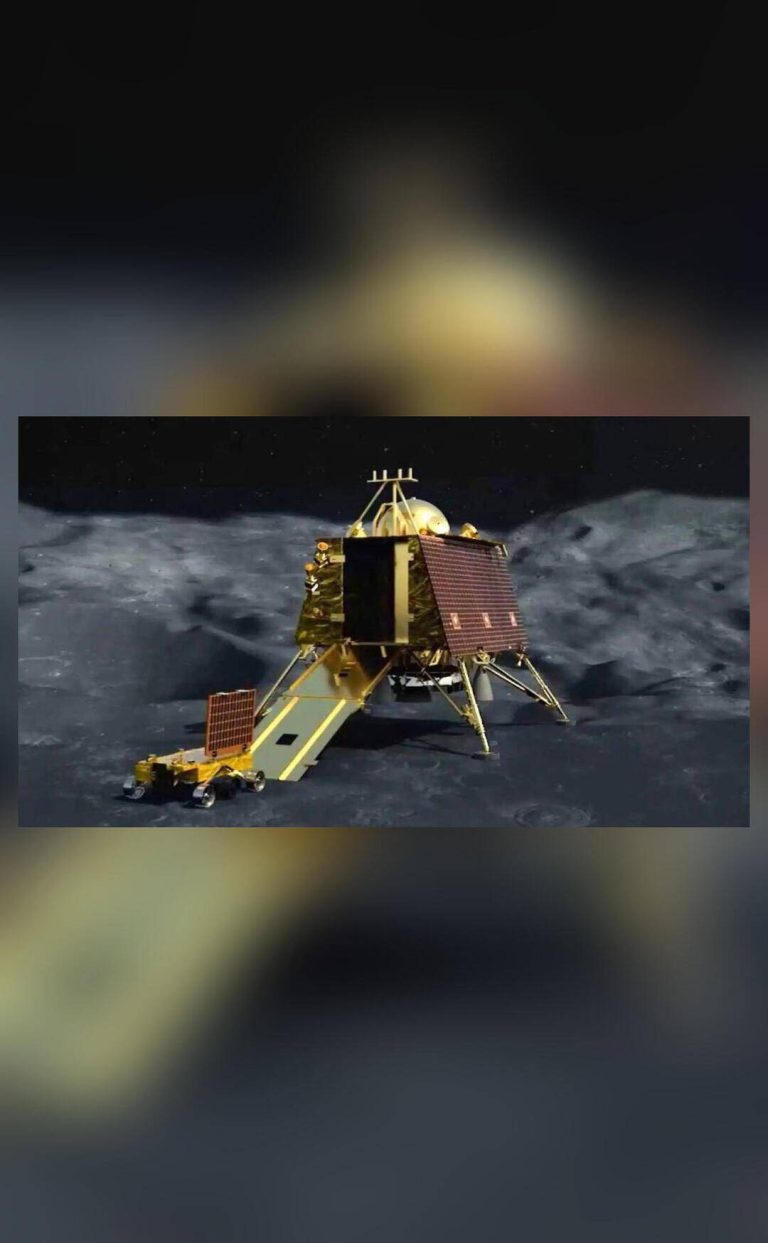
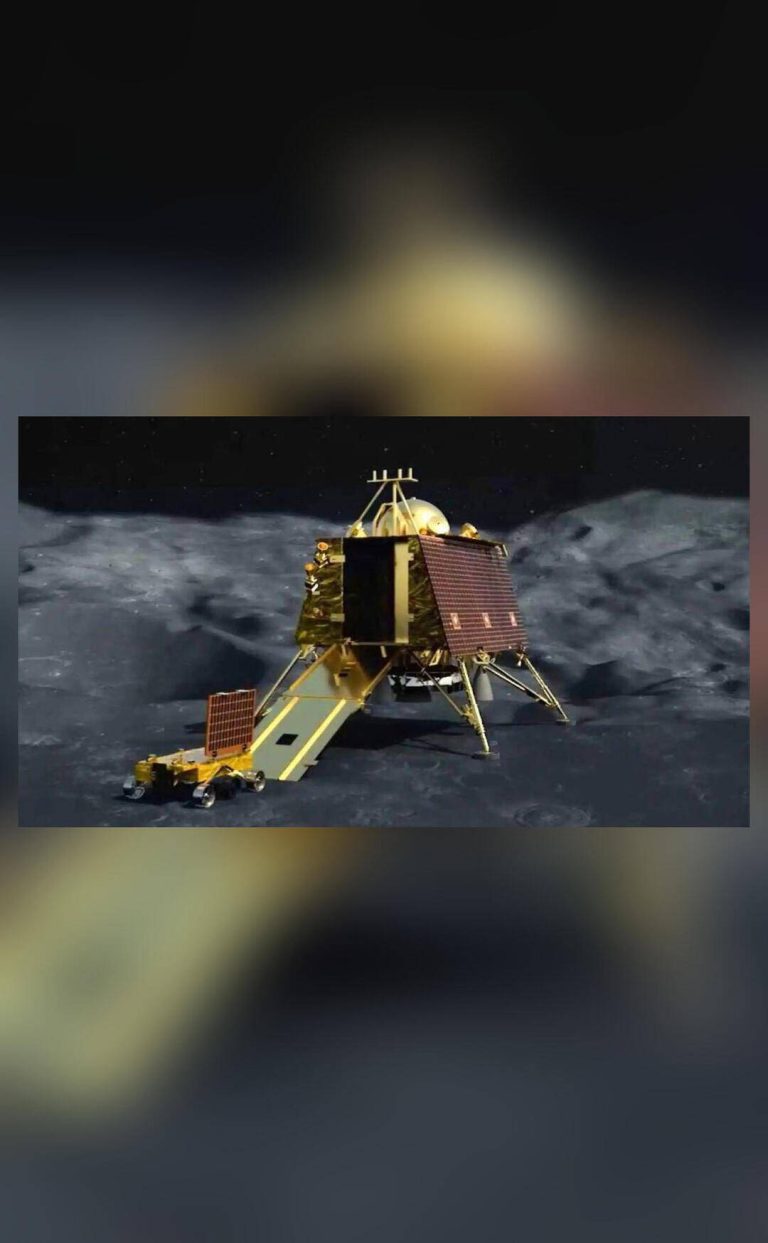
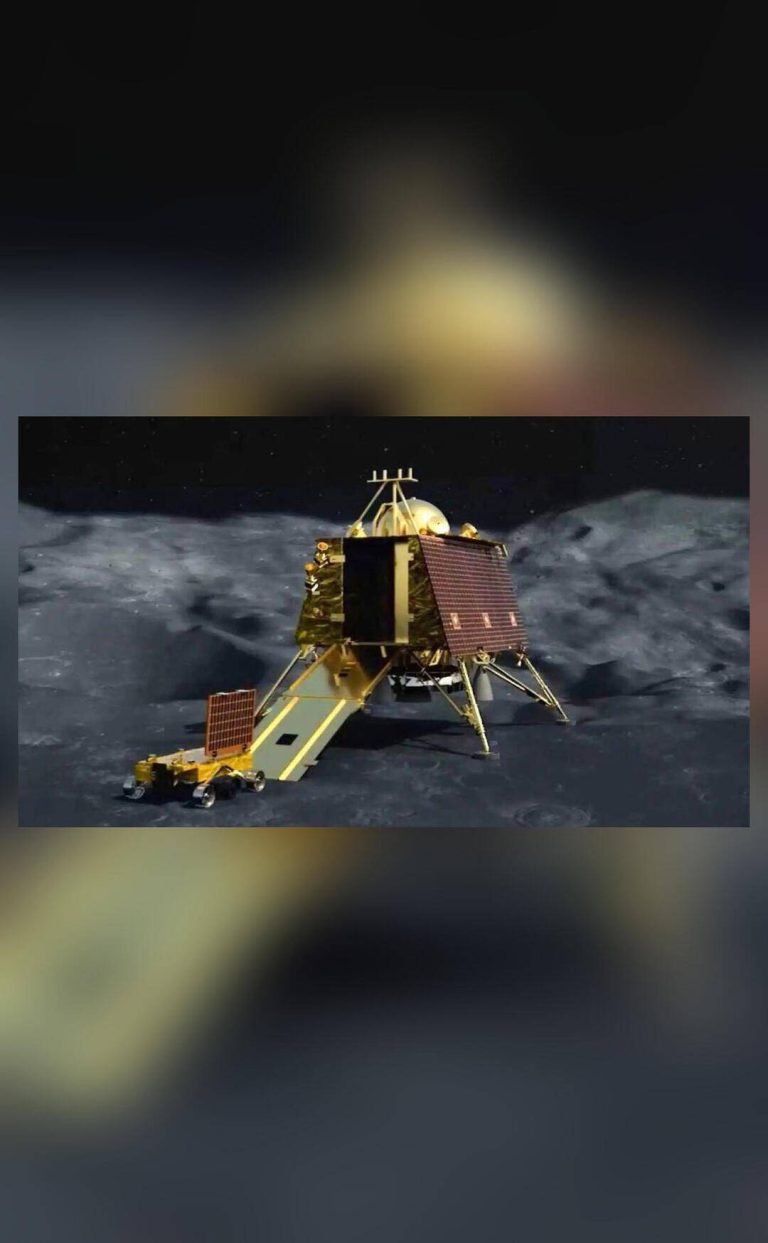
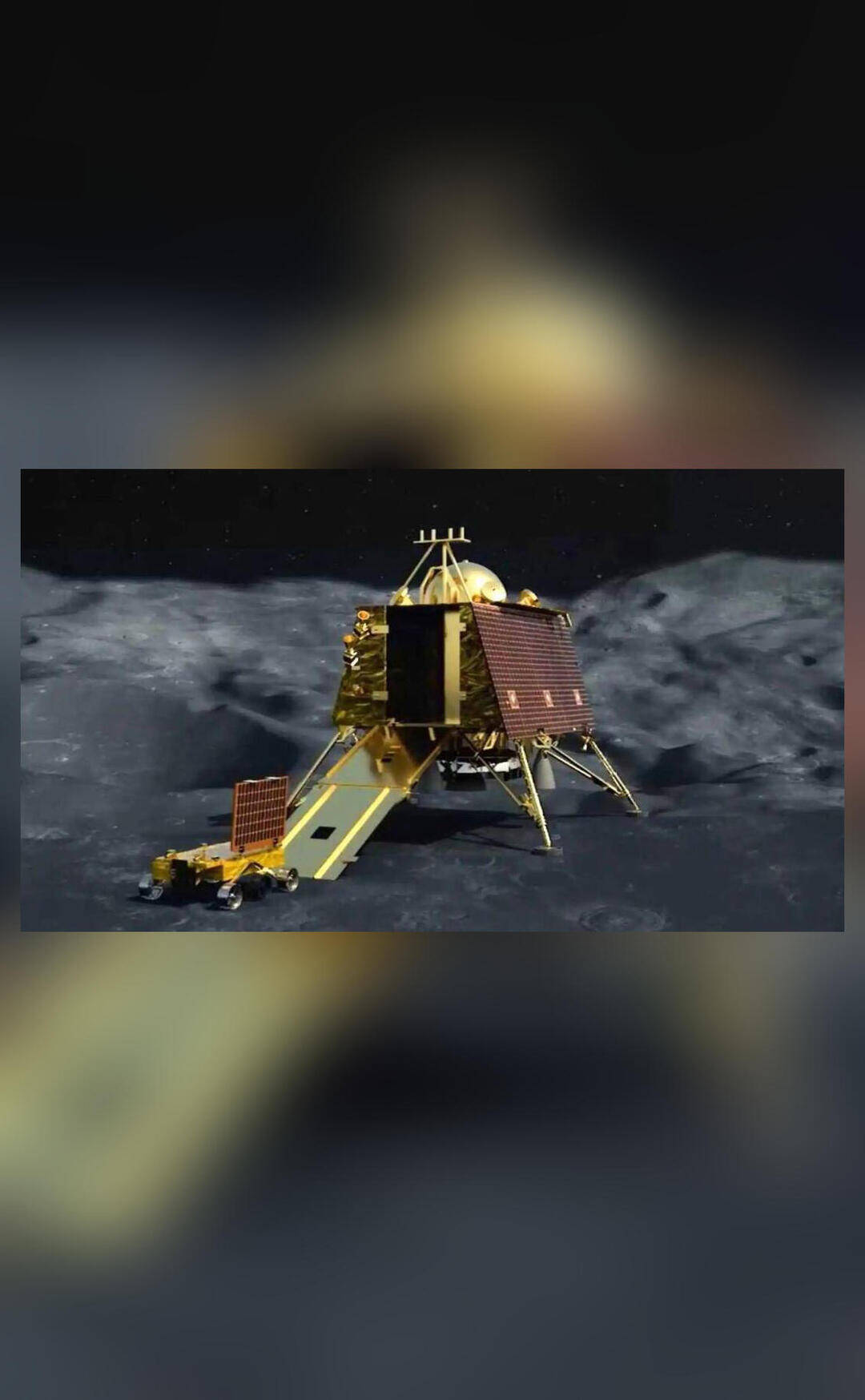
The Chandrayaan-3 mission, launched by ISRO, is an ambitious lunar exploration program aimed at studying the Moon’s surface, composition, and atmosphere. The mission consists of a propulsion module, a lander, and a rover, each designed to perform specific tasks. The propulsion module, in particular, plays a crucial role in the mission, as it provides the necessary thrust for the spacecraft to navigate through space and reach the Moon.
On November 6, 2025, the Chandrayaan-3 propulsion module flew close to the Moon at an altitude of approximately 3,740 km. This close encounter, also known as a flyby, allowed the spacecraft to harness the Moon’s gravitational energy, which, in turn, altered its trajectory. The Moon’s gravity pulled the spacecraft, causing a significant change in its velocity and direction. This change in velocity, although small, was sufficient to modify the spacecraft’s orbit around the Earth.
Just five days later, on November 11, 2025, the Chandrayaan-3 propulsion module performed another flyby of the Moon, this time at an altitude of approximately 4,537 km. This second flyby further altered the spacecraft’s orbit, resulting in a substantial change in its orbital parameters. The combined effect of these two flybys was a significant alteration in the size and direction of the spacecraft’s orbit around the Earth.
The ISRO has confirmed that the Chandrayaan-3 propulsion module’s orbit has been changed due to the Moon’s gravitational influence. According to the space agency, the spacecraft’s orbit size and direction have been altered, although the exact details of the new orbit are still being determined. This change in orbit is a result of the spacecraft’s close encounters with the Moon, which have allowed it to harness the lunar gravity and modify its trajectory without using any fuel.
The science behind this phenomenon is rooted in the principles of celestial mechanics and gravity. When a spacecraft flies close to a celestial body, such as the Moon, it experiences a gravitational force that pulls it towards the body. The strength of this force depends on the mass of the celestial body and the distance between the spacecraft and the body. In the case of the Chandrayaan-3 propulsion module, the Moon’s gravity was strong enough to pull the spacecraft and alter its trajectory.
This alteration in the spacecraft’s orbit is a fascinating example of the complex interactions between celestial bodies in our solar system. The Moon’s gravity has been used by space agencies and astronomers to study the Moon’s internal structure, composition, and orbital dynamics. The Chandrayaan-3 mission has demonstrated the power of lunar gravity in altering the orbit of a spacecraft, highlighting the importance of considering gravitational influences when designing space missions.
The implications of this event are significant, as they demonstrate the potential for using lunar gravity to modify the orbits of spacecraft. This technique, known as gravity assist, can be used to change the trajectory of a spacecraft and send it to other destinations in the solar system. The Chandrayaan-3 mission has shown that lunar gravity can be harnessed to alter the orbit of a spacecraft, potentially reducing the amount of fuel required for interplanetary travel.
In conclusion, the alteration in the orbit of the Chandrayaan-3 propulsion module is a remarkable example of the Moon’s gravitational influence on a spacecraft. The close flybys of the Moon have allowed the spacecraft to harness lunar gravity, resulting in a significant change in its orbit around the Earth. This event highlights the importance of considering gravitational influences when designing space missions and demonstrates the potential for using lunar gravity to modify the orbits of spacecraft. As we continue to explore our solar system, the study of celestial mechanics and gravity will remain a crucial aspect of space research and mission design.
About the Author