How Moon altered the orbit of Chandrayaan-3’s propulsion module?
The Indian Space Research Organisation (ISRO) has achieved a significant milestone in the Chandrayaan-3 mission, with the spacecraft’s propulsion module undergoing a substantial change in its Earth orbit. This alteration was facilitated by the Moon’s gravity, which pulled the spacecraft during two close flybys in November 2025. The first flyby occurred on November 6 at a distance of 3,740 km, followed by another on November 11 at a distance of 4,537 km. As a result, the propulsion module’s orbit size and direction were naturally altered without the need for fuel consumption.
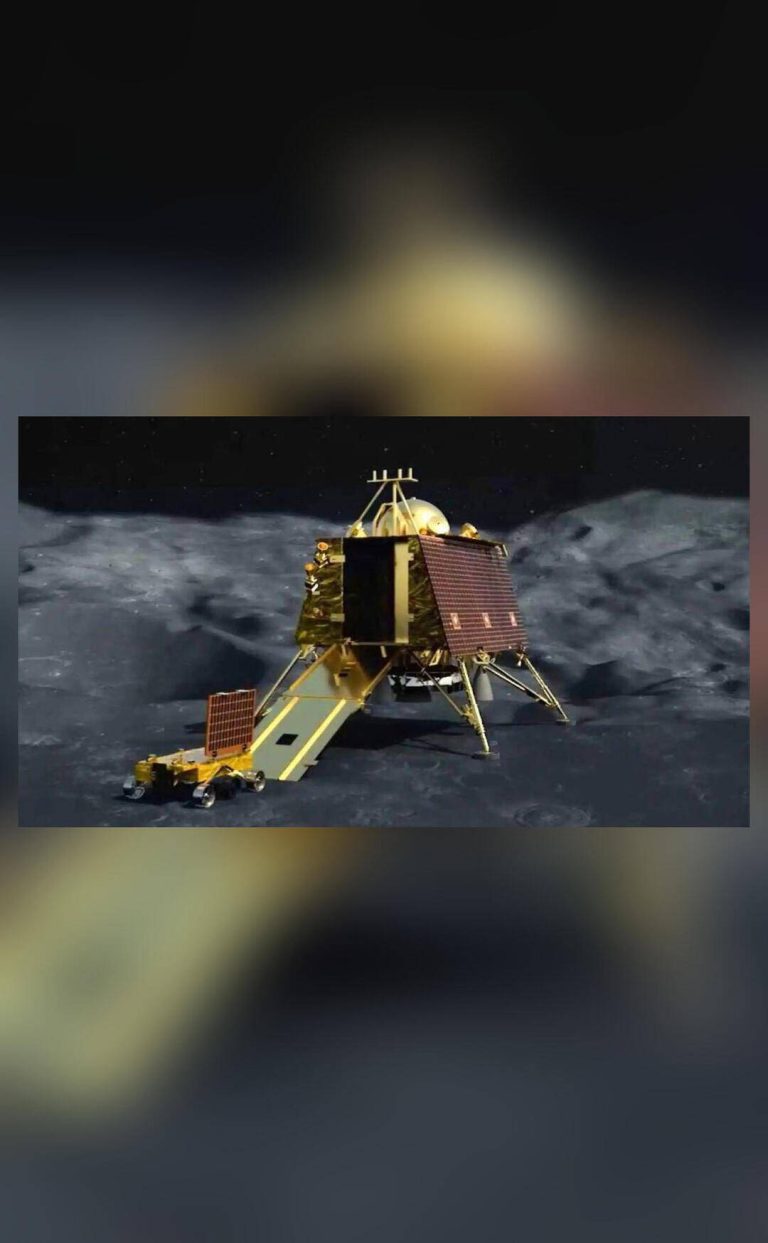
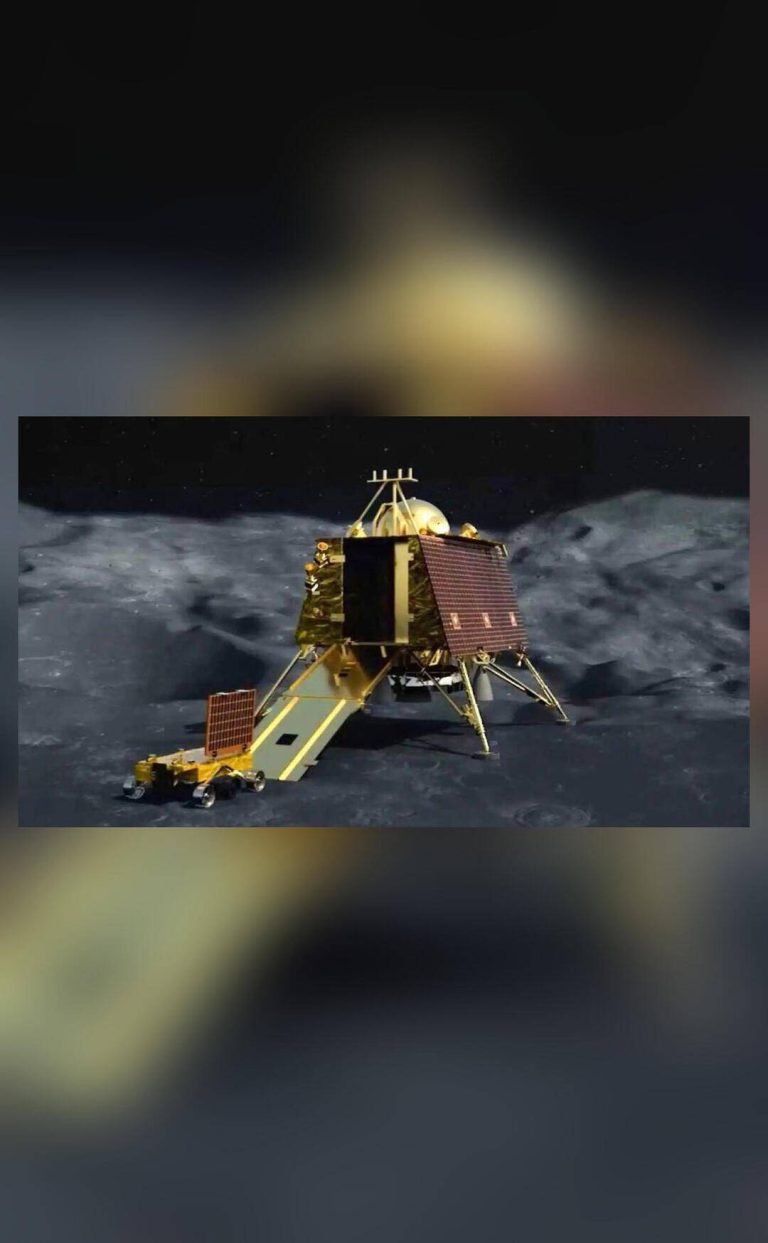
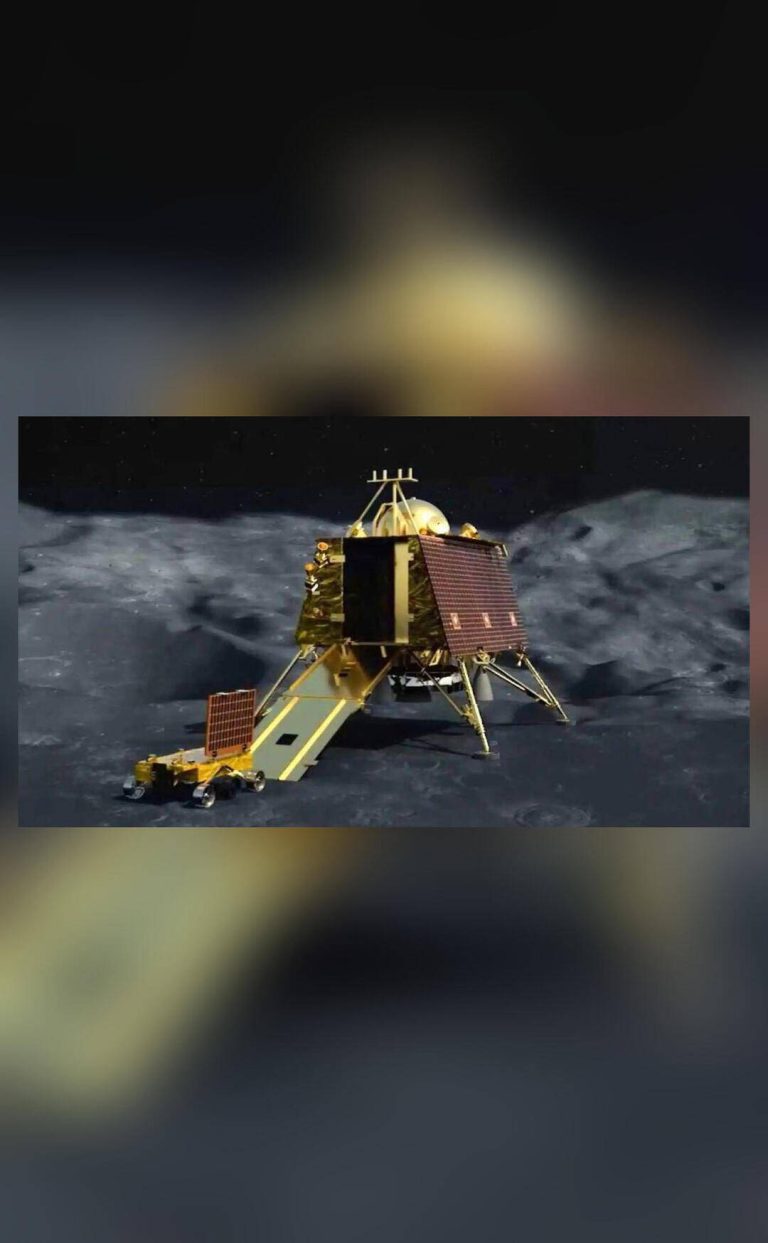
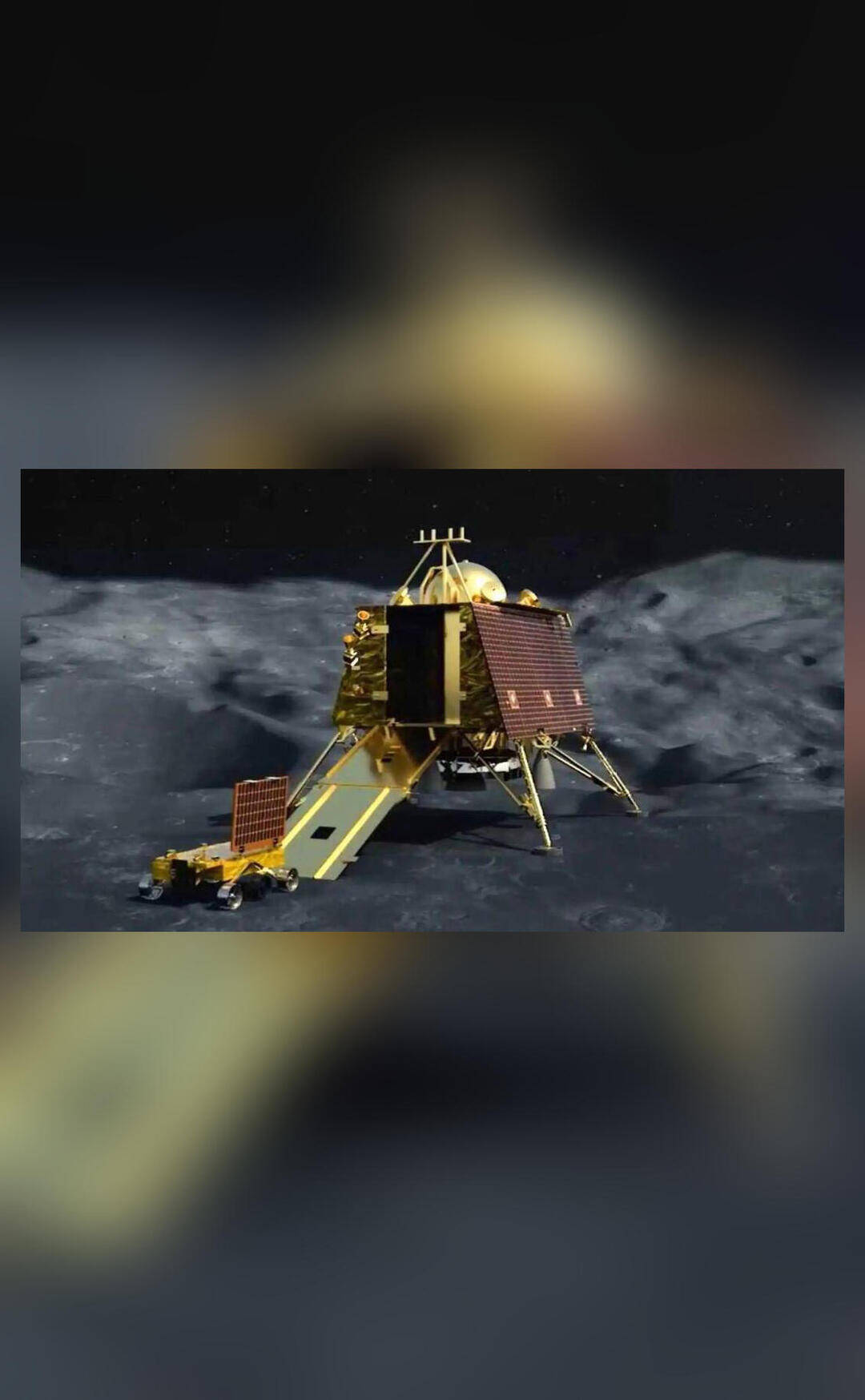
The Chandrayaan-3 mission, launched by ISRO, aims to further expand our understanding of the Moon and its composition. The spacecraft consists of a propulsion module, a lander, and a rover, each designed to perform specific tasks. The propulsion module serves as the primary component, providing the necessary thrust for the spacecraft to reach the Moon and establish a stable orbit. The lander, on the other hand, is equipped with scientific instruments to study the lunar surface, while the rover is designed to move around and collect data on the Moon’s composition.
The recent flybys of the Moon have significantly impacted the propulsion module’s orbit. During these events, the Moon’s gravity interacted with the spacecraft, causing a change in its trajectory. This phenomenon is known as a gravity assist, where the gravity of a celestial body is used to alter the path of a spacecraft. In this case, the Moon’s gravity pulled the propulsion module, increasing its velocity and changing its orbit.
The first flyby on November 6 saw the spacecraft pass within 3,740 km of the Moon’s surface. As it approached the Moon, the spacecraft’s velocity increased due to the gravitational pull. This resulted in a change in the spacecraft’s orbit, with its size and direction being altered. The second flyby on November 11 further reinforced this change, with the spacecraft passing at a distance of 4,537 km. The combined effect of these two flybys has resulted in a significant change in the propulsion module’s orbit.
ISRO has confirmed that the orbit of the propulsion module has been altered, with its size and direction changing as a result of the Moon’s gravity. This change in orbit is a crucial step in the Chandrayaan-3 mission, as it will enable the spacecraft to establish a stable orbit around the Moon. The propulsion module will continue to play a vital role in the mission, providing the necessary thrust for the spacecraft to maintain its orbit and perform its scientific objectives.
The use of gravity assists is a common technique employed by space agencies to alter the trajectory of spacecraft. This method allows spacecraft to change their orbit without consuming fuel, which is a limited resource. By using the gravity of celestial bodies, spacecraft can increase their velocity and change their direction, enabling them to reach their destination more efficiently.
The success of the Chandrayaan-3 mission is a testament to ISRO’s capabilities in space exploration. The agency has made significant strides in recent years, with several successful missions to the Moon and other celestial bodies. The Chandrayaan-3 mission is expected to provide valuable insights into the Moon’s composition and geology, which will help scientists better understand the formation and evolution of the Moon.
In conclusion, the Moon’s gravity has played a significant role in altering the orbit of the Chandrayaan-3 propulsion module. The two flybys in November 2025 have resulted in a change in the spacecraft’s orbit size and direction, bringing it closer to establishing a stable orbit around the Moon. This achievement is a crucial step in the Chandrayaan-3 mission, and it demonstrates ISRO’s expertise in space exploration. As the mission progresses, scientists and space enthusiasts around the world will be eagerly awaiting the results, which are expected to shed new light on the Moon and its secrets.
About the Author