How Moon altered the orbit of Chandrayaan-3’s propulsion module?
In a remarkable demonstration of celestial mechanics, the Indian Space Research Organisation’s (ISRO) Chandrayaan-3 mission has witnessed a significant alteration in the orbit of its propulsion module. This change occurred in November 2025, when the module passed close to the Moon, allowing the lunar gravity to pull the spacecraft during two flybys. As a result, the propulsion module’s Earth orbit has undergone a substantial transformation, with its size and direction being modified without the use of any fuel.
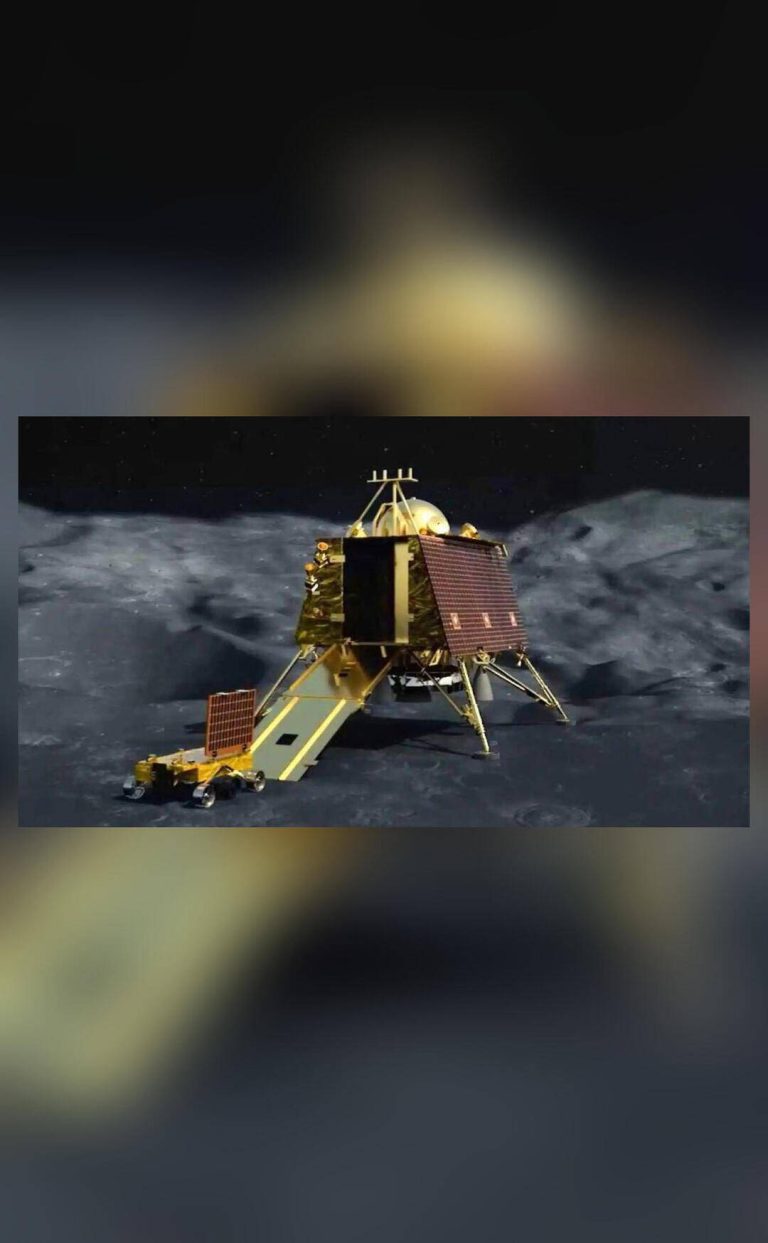
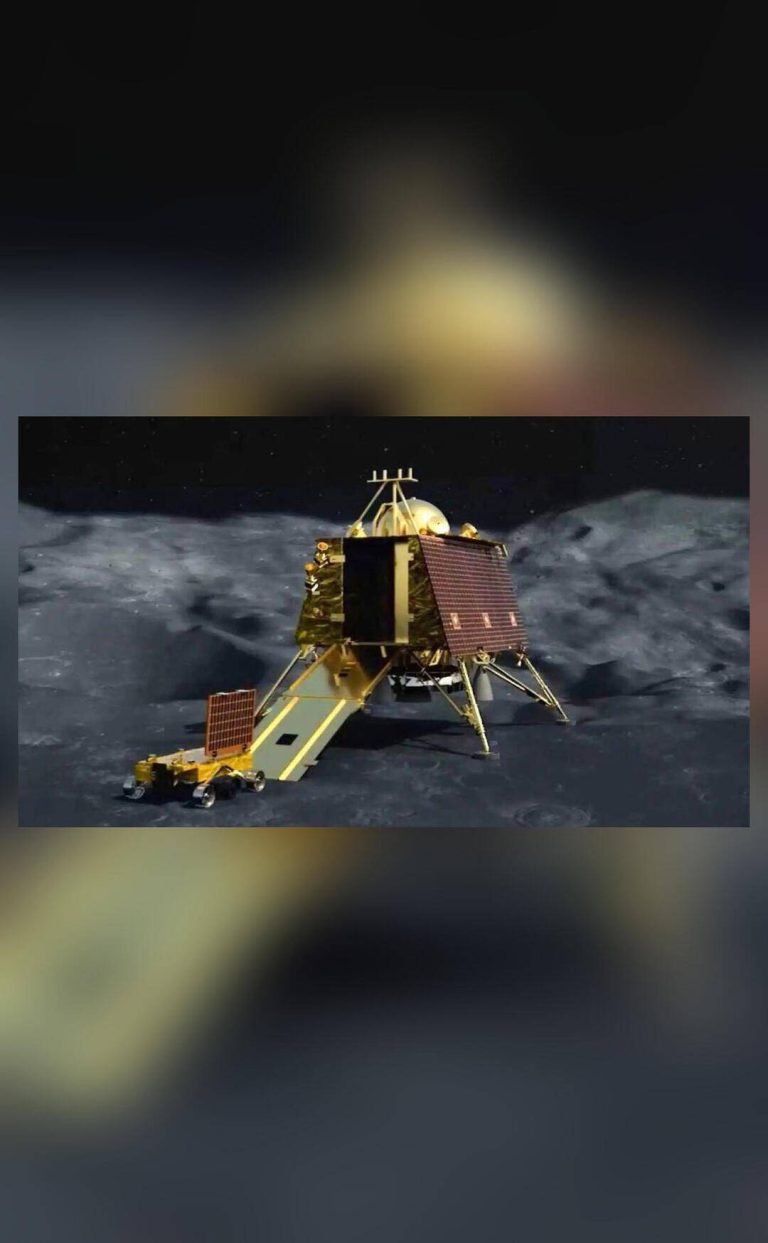
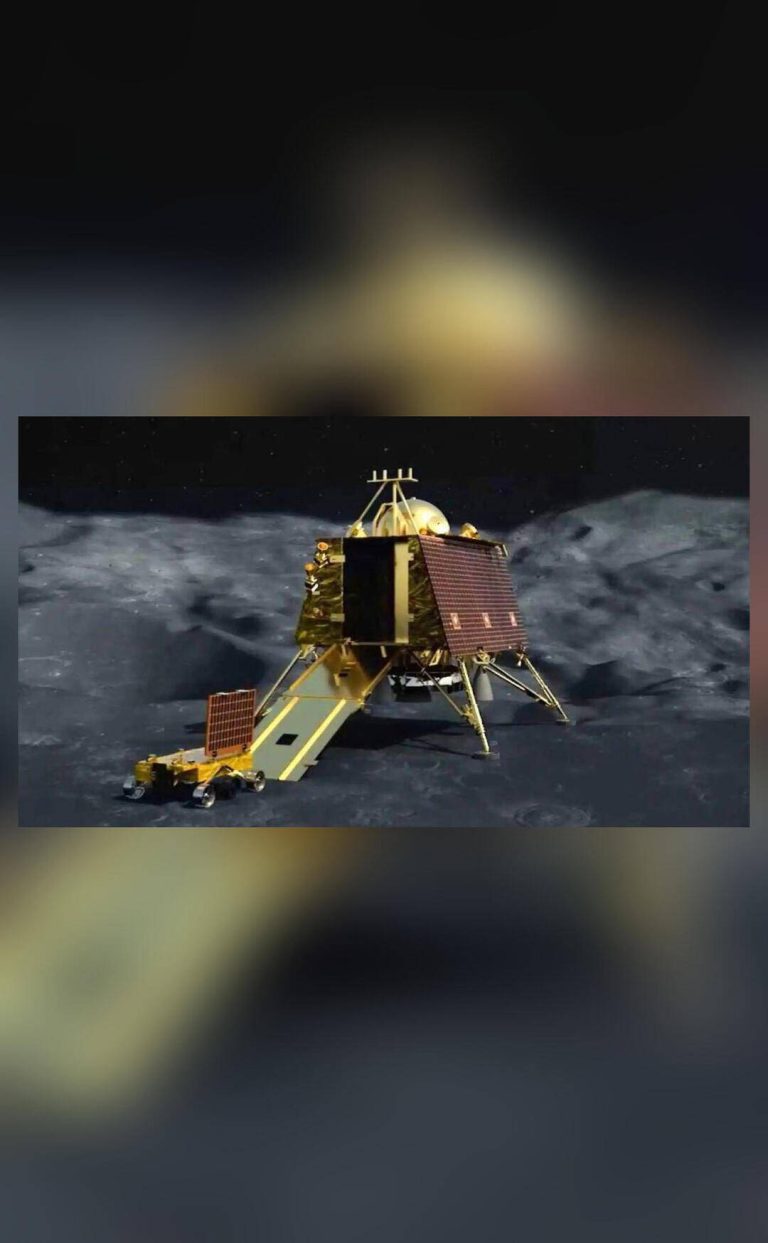
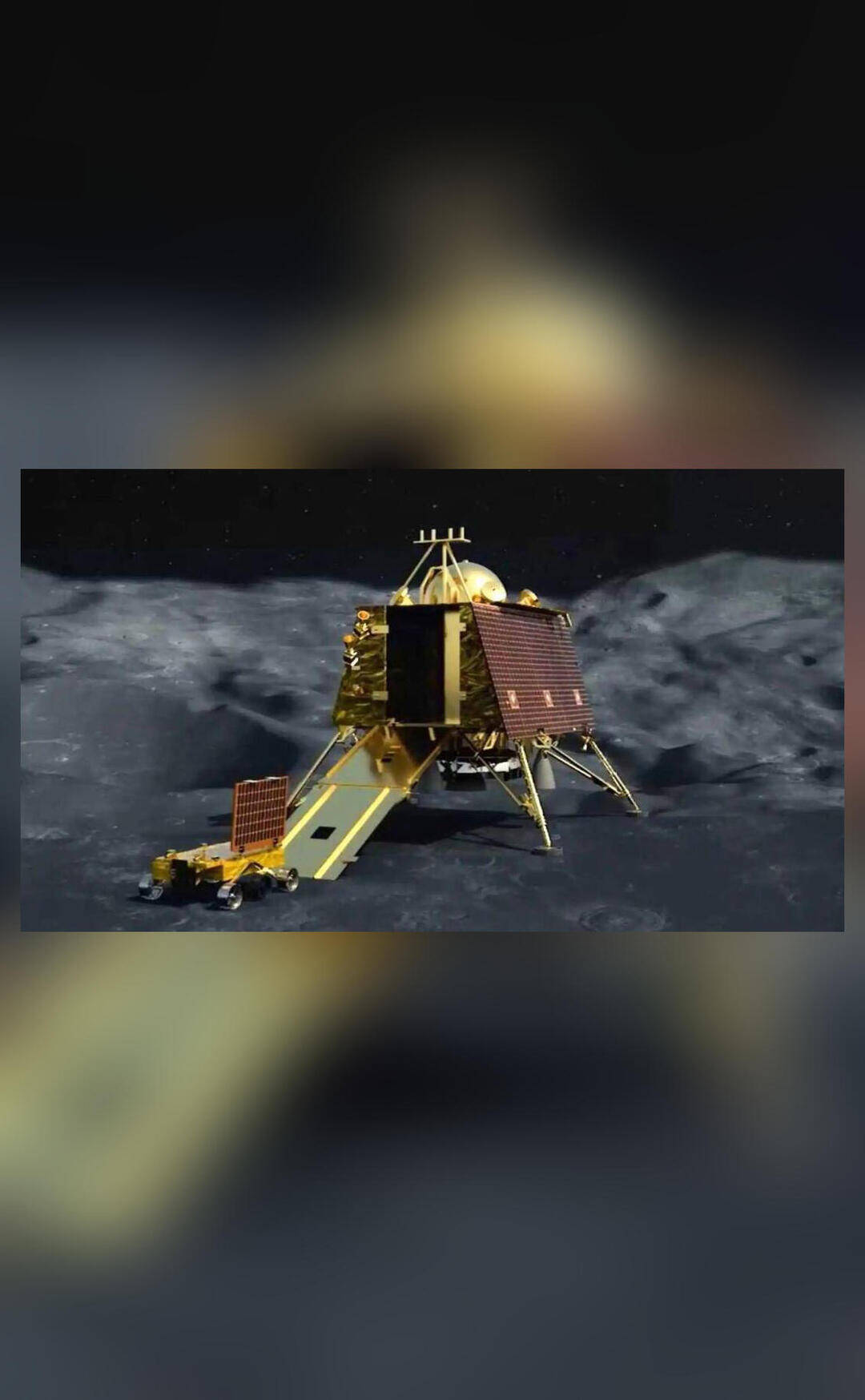
To understand the context of this event, it is essential to delve into the details of the Chandrayaan-3 mission. Launched by ISRO, this mission aims to explore the Moon’s south pole, with a specific focus on understanding the lunar surface and its composition. The mission consists of a propulsion module, a lander, and a rover, all of which play crucial roles in achieving the mission’s objectives.
The propulsion module, in particular, serves as the backbone of the mission, providing the necessary thrust and propulsion to navigate the spacecraft through space. However, during its journey, the module encountered the Moon’s gravity, which had a profound impact on its orbit. On November 6, the module flew by the Moon at an altitude of 3,740 km, and again on November 11, at an altitude of 4,537 km. These two flybys allowed the lunar gravity to exert its influence on the spacecraft, naturally altering its path without the need for any fuel.
The implications of this event are significant, as it demonstrates the power of celestial mechanics in shaping the trajectories of spacecraft. By leveraging the gravity of celestial bodies, space agencies can achieve remarkable feats, such as changing the orbit of a spacecraft without expending fuel. This technique, known as gravity assist, has been employed by space agencies around the world to extend the life of missions, reduce fuel consumption, and explore new regions of our solar system.
In the case of the Chandrayaan-3 propulsion module, the gravity assist provided by the Moon has resulted in a substantial change in its orbit. According to ISRO, the module’s orbit size and direction have been altered, with the spacecraft now following a new path around the Earth. This change will likely have implications for the mission’s overall trajectory and the future plans of the space agency.
The success of this gravity assist maneuver is a testament to the ingenuity and expertise of the ISRO team. By carefully planning and executing the flybys, the team has been able to harness the power of the Moon’s gravity to alter the orbit of the propulsion module. This achievement demonstrates the capabilities of the Indian space program and its ability to execute complex missions with precision and accuracy.
As the Chandrayaan-3 mission continues to unfold, it will be fascinating to observe the impact of this altered orbit on the spacecraft’s trajectory and the overall objectives of the mission. The success of this gravity assist maneuver will likely have far-reaching implications for the Indian space program, enabling the agency to undertake more ambitious missions in the future.
In conclusion, the alteration of the Chandrayaan-3 propulsion module’s orbit by the Moon’s gravity is a remarkable event that showcases the power of celestial mechanics. By leveraging the gravity of celestial bodies, space agencies can achieve remarkable feats, such as changing the orbit of a spacecraft without expending fuel. As the Indian space program continues to evolve and grow, it will be exciting to see how this technology is utilized in future missions, enabling the agency to explore new regions of our solar system and push the boundaries of space exploration.
Read more about this story at: https://www.newsbytesapp.com/news/science/how-chandrayaan-3-propulsion-module-s-orbit-was-altered-by-moon-s-gravity/story
About the Author