How does Sentinel-2 protect India’s biodiversity?
India is home to a diverse range of flora and fauna, with its vast and varied landscape supporting a wide array of ecosystems. From the towering Himalayas to the lush Western Ghats, and from the arid Thar Desert to the mangrove forests of the Sundarbans, India’s natural heritage is unparalleled. However, this biodiversity is under threat due to various human activities such as deforestation, pollution, and climate change. In recent years, scientists have been working tirelessly to develop new technologies to monitor and protect India’s biodiversity. One such innovation is the Sentinel-2 satellite mapping system, developed by scientists at the Indian Space Research Organisation (ISRO), Indian Institute of Space Technology (IIST), and Gujarat University.
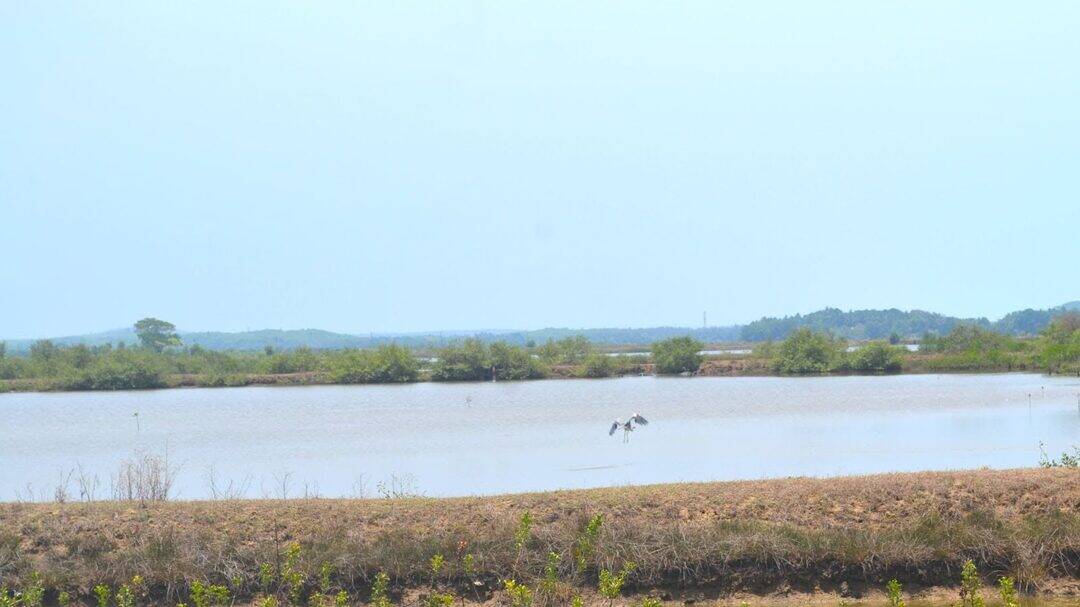
The Sentinel-2 system uses advanced satellite imaging technology to monitor India’s wetlands, which are crucial ecosystems that support a wide range of plant and animal life. Wetlands are not only important for maintaining biodiversity, but they also play a critical role in regulating the water cycle, preventing floods, and supporting agriculture. However, many of India’s wetlands are under threat due to human activities such as encroachment, pollution, and climate change. The Sentinel-2 system aims to monitor the health of these wetlands and identify areas that require urgent conservation efforts.
The Sentinel-2 system has been tested in over 500 of India’s largest wetlands, and the results are alarming. The study found that nearly 100 lakes, mostly in central and southern India, have seen a major decline in vital plant life. This decline is attributed to a combination of factors, including climate change, pollution, and human encroachment. The study also found that many of these wetlands are experiencing a significant increase in water temperature, which is affecting the growth and survival of aquatic plants.
One of the most significant features of the Sentinel-2 system is its ability to identify submerged plants with 94% accuracy. This is a major breakthrough, as submerged plants are a crucial component of wetland ecosystems. They provide food and shelter for a wide range of aquatic animals, and they also play a critical role in maintaining water quality. The ability to accurately identify submerged plants will enable scientists to monitor the health of wetlands more effectively and identify areas that require urgent conservation efforts.
The Sentinel-2 system uses a combination of satellite imagery and machine learning algorithms to identify submerged plants. The system is trained on a dataset of images of submerged plants, which enables it to learn the characteristics of these plants and identify them in new images. This approach has been shown to be highly effective, with the system achieving an accuracy of 94% in identifying submerged plants.
The results of the study have significant implications for conservation efforts in India. The decline of plant life in India’s wetlands is a major concern, as it can have far-reaching consequences for the entire ecosystem. The loss of submerged plants can lead to a decline in water quality, which can have devastating effects on aquatic life. It can also lead to an increase in greenhouse gas emissions, as decaying plant matter releases carbon dioxide into the atmosphere.
The study calls for urgent climate actions to protect India’s wetlands. This includes measures such as reducing pollution, preventing encroachment, and promoting sustainable land use practices. The study also highlights the need for more research on the impacts of climate change on India’s wetlands, and the development of effective conservation strategies to protect these critical ecosystems.
In conclusion, the Sentinel-2 satellite mapping system is a significant innovation in the field of conservation biology. Its ability to identify submerged plants with 94% accuracy makes it a powerful tool for monitoring the health of India’s wetlands. The results of the study are a wake-up call for conservation efforts in India, and highlight the need for urgent action to protect the country’s biodiversity. As India continues to grow and develop, it is essential that we prioritize the protection of our natural heritage, and work towards a sustainable future for all.
For more information on this topic, please visit: https://researchmatters.in/news/satellite-monitoring-reveals-declining-plant-life-hundreds-indian-wetlands
About the Author