How does Sentinel-2 protect India’s biodiversity?
India, a country known for its rich and diverse biodiversity, is home to a wide range of ecosystems, including forests, grasslands, and wetlands. These ecosystems support a vast array of plant and animal species, many of which are found nowhere else in the world. However, India’s biodiversity is facing numerous threats, including climate change, habitat destruction, and pollution. In an effort to protect and conserve India’s biodiversity, scientists at the Indian Space Research Organisation (ISRO), Indian Institute of Space Technology (IIST), and Gujarat University have developed a new satellite mapping system, Sentinel-2.
Sentinel-2 is a state-of-the-art satellite system that uses advanced remote sensing technology to monitor and track changes in India’s wetlands. The system is capable of identifying submerged plants with an impressive 94% accuracy, making it a valuable tool for conservation efforts. In a recent study, the researchers used Sentinel-2 to monitor 500 of India’s largest wetlands, and the results are alarming. The study found that nearly 100 lakes, mostly in central and southern India, are experiencing a major decline in vital plant life.
The Importance of Wetlands
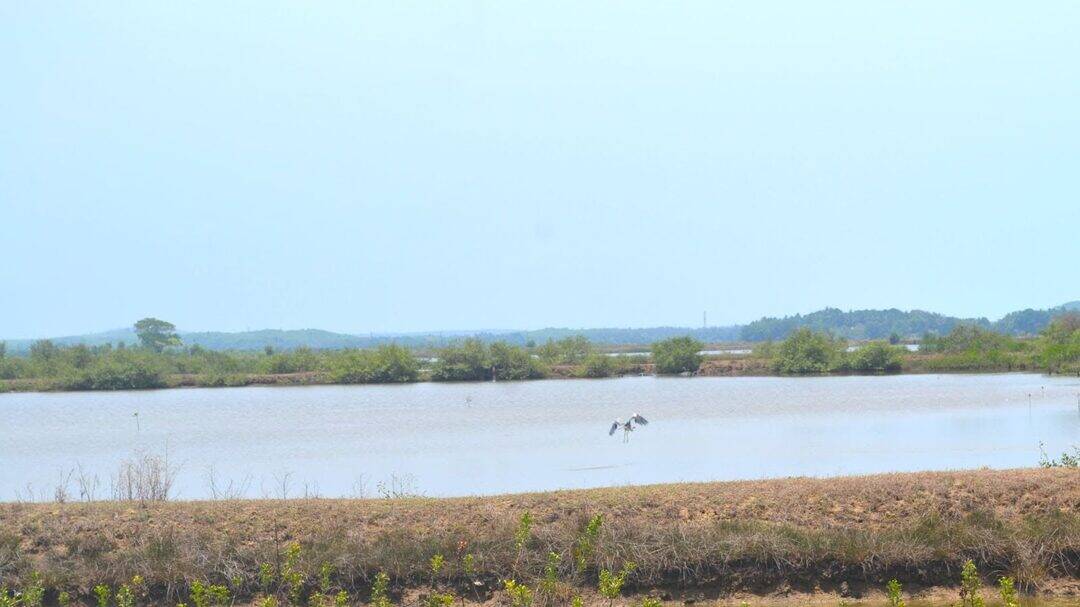
Wetlands are some of the most biodiverse ecosystems on the planet, supporting a wide range of plant and animal species. They also provide numerous ecosystem services, including water filtration, flood control, and carbon sequestration. In India, wetlands are particularly important, as they support the livelihoods of millions of people, provide habitat for countless species, and help to regulate the country’s climate. However, India’s wetlands are facing numerous threats, including habitat destruction, pollution, and climate change.
The Sentinel-2 System
The Sentinel-2 system is a powerful tool for monitoring and tracking changes in India’s wetlands. The system uses advanced remote sensing technology to collect data on the health and status of wetland ecosystems. The data is then analyzed using sophisticated algorithms, which can identify changes in plant life, water quality, and other key indicators of ecosystem health. The system is capable of monitoring wetlands at a high level of detail, allowing researchers to identify areas of concern and track changes over time.
The Study
The recent study, which used Sentinel-2 to monitor 500 of India’s largest wetlands, found that nearly 100 lakes are experiencing a major decline in vital plant life. The study found that the decline is most pronounced in central and southern India, where many of the country’s largest wetlands are located. The researchers used Sentinel-2 to collect data on the health and status of the wetlands, and the results were alarming. The study found that many of the wetlands are experiencing a decline in plant life, which is likely due to a combination of factors, including climate change, habitat destruction, and pollution.
Implications and Recommendations
The results of the study have significant implications for conservation efforts in India. The decline of plant life in India’s wetlands is a major concern, as it can have far-reaching consequences for the health and biodiversity of these ecosystems. The study calls for urgent climate action, including efforts to reduce greenhouse gas emissions, protect and restore habitats, and promote sustainable land-use practices. The researchers also recommend that policymakers and conservationists take immediate action to protect India’s wetlands, including the development of effective conservation plans, the establishment of protected areas, and the promotion of sustainable livelihoods for communities that depend on these ecosystems.
Conclusion
The development of the Sentinel-2 system is a significant step forward in the effort to protect and conserve India’s biodiversity. The system’s ability to identify submerged plants with 94% accuracy makes it a valuable tool for conservation efforts, and the recent study highlights the urgent need for climate action to protect India’s wetlands. The decline of plant life in India’s wetlands is a major concern, and it is essential that policymakers and conservationists take immediate action to address this issue. By working together, we can help to protect and conserve India’s rich biodiversity, and ensure a healthy and sustainable future for generations to come.
About the Author