How does Sentinel-2 protect India’s biodiversity?
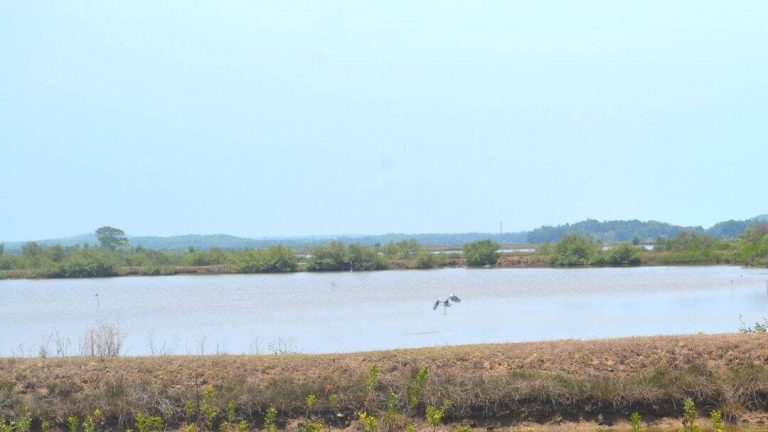
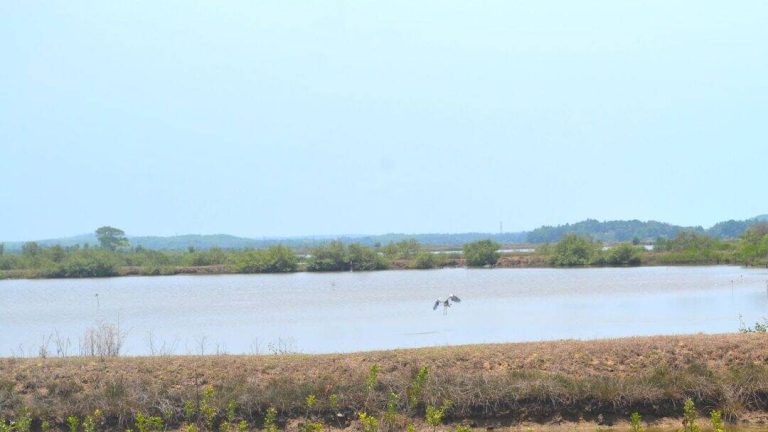
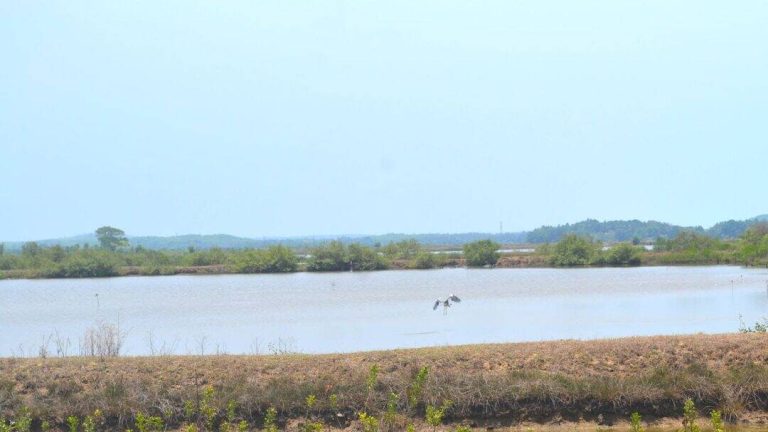
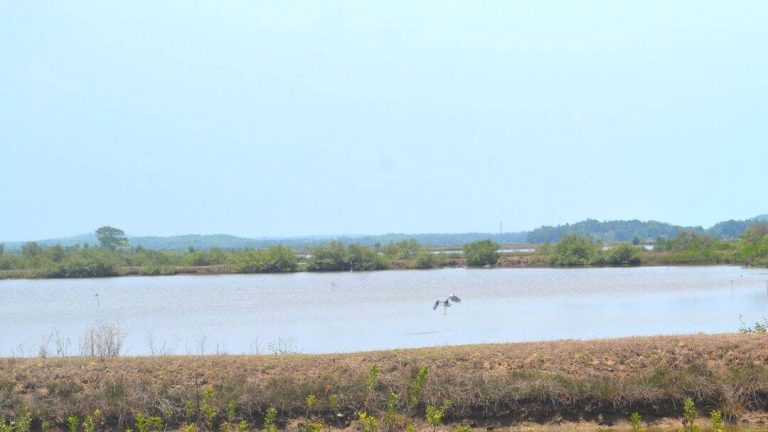
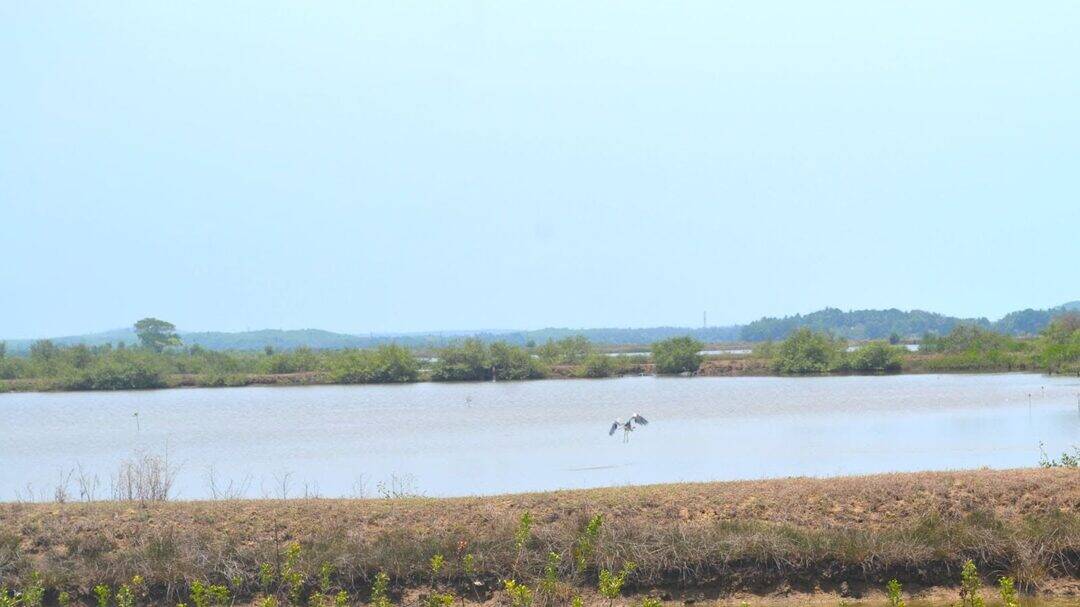
India, a country with a rich and diverse range of flora and fauna, is home to some of the most unique and threatened ecosystems in the world. The country’s wetlands, in particular, are a vital component of its biodiversity, providing habitat for a wide range of plant and animal species. However, these ecosystems are facing numerous threats, including climate change, pollution, and human activities such as deforestation and urbanization. To combat these threats and protect India’s biodiversity, scientists at the Indian Space Research Organisation (ISRO), Indian Institute of Space Science and Technology (IIST), and Gujarat University have developed a new satellite mapping system, Sentinel-2.
Sentinel-2 is a cutting-edge technology that uses satellite imagery to monitor and track changes in plant life in India’s wetlands. The system is capable of identifying submerged plants with an impressive 94% accuracy, making it a valuable tool for conservation efforts. In a recent study, the researchers used Sentinel-2 to monitor 500 of India’s largest wetlands, with alarming results. The study found that nearly 100 lakes, mostly in central and southern India, are experiencing a major decline in vital plant life. This decline is not only a threat to the biodiversity of these ecosystems but also has significant implications for the livelihoods of people who depend on these wetlands for their survival.
The decline of plant life in India’s wetlands is a complex issue, with multiple factors contributing to the problem. Climate change, for example, is altering the water levels and temperature of these ecosystems, making it difficult for plants to survive. Pollution, both from agricultural runoff and industrial activities, is also a major threat, as it can lead to the degradation of water quality and the loss of habitat for plant and animal species. Human activities, such as deforestation and urbanization, are also contributing to the decline of plant life in India’s wetlands, as they lead to the destruction of habitats and the disruption of natural processes.
The use of Sentinel-2 to monitor India’s wetlands is a significant step forward in the conservation of these ecosystems. The technology provides a comprehensive and accurate picture of the health of these ecosystems, allowing conservationists to identify areas that are most in need of protection. The study’s findings, which highlight the decline of plant life in nearly 100 lakes, are a call to action, emphasizing the need for urgent climate action to protect these vital ecosystems.
The development of Sentinel-2 is also a testament to the power of collaboration and innovation in addressing the complex challenges facing India’s biodiversity. The partnership between ISRO, IIST, and Gujarat University brings together some of the country’s top scientists and researchers, who are working together to develop new technologies and solutions to protect the country’s natural resources. The use of satellite imagery and other remote sensing technologies is a key component of this effort, as it provides a cost-effective and efficient way to monitor and track changes in the environment.
In addition to its application in monitoring wetlands, Sentinel-2 has a range of other potential uses, from tracking deforestation and land degradation to monitoring the health of crops and predicting natural disasters. The technology has the potential to revolutionize the field of environmental conservation, providing conservationists and policymakers with the data and insights they need to make informed decisions about the management of natural resources.
In conclusion, the development of Sentinel-2 is a significant step forward in the protection of India’s biodiversity. The technology has the potential to play a critical role in the conservation of the country’s wetlands, which are facing numerous threats from climate change, pollution, and human activities. The study’s findings, which highlight the decline of plant life in nearly 100 lakes, are a call to action, emphasizing the need for urgent climate action to protect these vital ecosystems. As India continues to grow and develop, it is essential that the country prioritizes the conservation of its natural resources, using innovative technologies like Sentinel-2 to protect its biodiversity for future generations.
About the Author