How does Sentinel-2 protect India’s biodiversity?
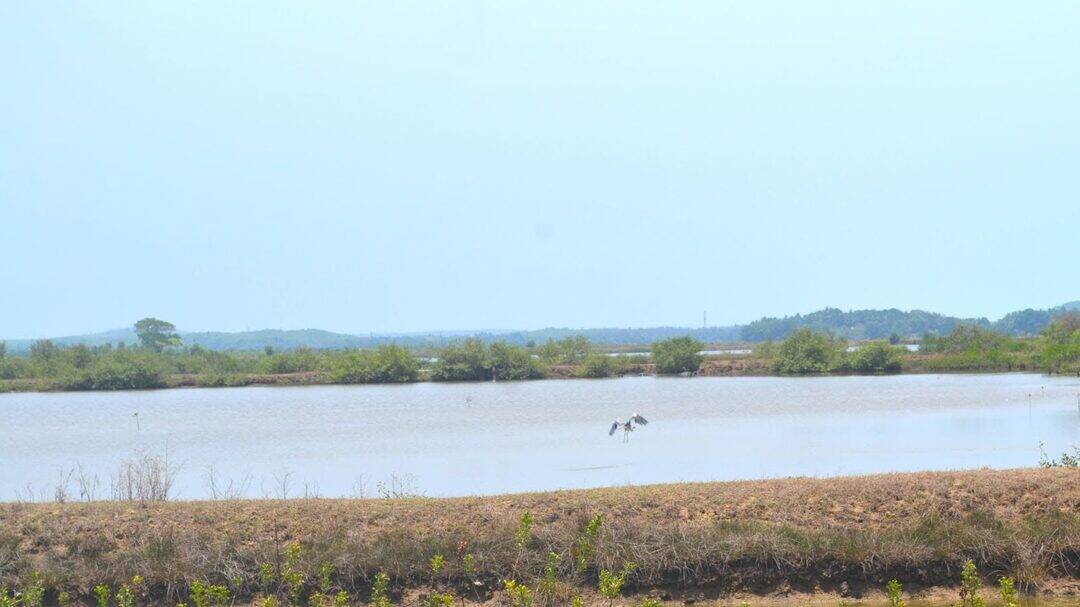
India is home to a vast and diverse range of flora and fauna, with its wetlands being a crucial component of the country’s biodiversity. Wetlands, which include lakes, rivers, and mangroves, provide a habitat for numerous plant and animal species, and play a vital role in maintaining the ecological balance of the environment. However, these ecosystems are facing numerous threats, including climate change, pollution, and human activities such as deforestation and urbanization. To monitor and protect these vital ecosystems, scientists at the Indian Space Research Organisation (ISRO), Indian Institute of Space Science and Technology (IIST), and Gujarat University have developed a new satellite mapping system, Sentinel-2.
The Sentinel-2 system uses advanced satellite imaging technology to identify and monitor submerged plants in India’s wetlands. The technology has been shown to be highly accurate, with a success rate of 94% in identifying submerged plants. This is a significant improvement over traditional methods of monitoring, which can be time-consuming and labor-intensive. The study, which monitored 500 of India’s largest wetlands, has provided valuable insights into the health of these ecosystems and has highlighted the need for urgent climate action.
The results of the study are alarming, with nearly 100 lakes, mostly in central and southern India, experiencing a major decline in vital plant life. This decline is attributed to a combination of factors, including climate change, pollution, and human activities such as deforestation and urbanization. The loss of plant life in these wetlands can have significant consequences, including the loss of biodiversity, decreased water quality, and increased greenhouse gas emissions.
The use of Sentinel-2 technology has several advantages over traditional methods of monitoring. Firstly, it allows for the rapid and accurate identification of submerged plants, which can be difficult to detect using traditional methods. Secondly, it provides a comprehensive overview of the health of the wetland ecosystem, allowing scientists to identify areas that are most in need of conservation efforts. Finally, it enables the monitoring of wetlands over large areas, which can be time-consuming and expensive using traditional methods.
The development of Sentinel-2 is a significant step forward in the protection of India’s biodiversity. The technology has the potential to be used in a variety of applications, including the monitoring of other ecosystems such as forests and grasslands. It can also be used to track changes in land use and land cover, which can help to identify areas that are most vulnerable to climate change.
The study’s findings highlight the need for urgent climate action to protect India’s wetlands. The decline of plant life in these ecosystems can have significant consequences, including the loss of biodiversity and decreased water quality. To address this issue, the government and conservation organizations must work together to implement effective conservation strategies. This can include measures such as the restoration of degraded habitats, the control of invasive species, and the promotion of sustainable land use practices.
In addition to the conservation of wetlands, the use of Sentinel-2 technology can also contribute to the achievement of several of the United Nations’ Sustainable Development Goals (SDGs). These include SDG 13, which aims to take urgent action to combat climate change and its impacts, and SDG 15, which aims to protect, restore, and promote sustainable use of terrestrial ecosystems. The use of Sentinel-2 technology can also contribute to the achievement of SDG 6, which aims to ensure the availability and sustainable management of water and sanitation for all.
In conclusion, the development of Sentinel-2 is a significant step forward in the protection of India’s biodiversity. The technology has the potential to be used in a variety of applications, including the monitoring of other ecosystems and the tracking of changes in land use and land cover. The study’s findings highlight the need for urgent climate action to protect India’s wetlands, and the government and conservation organizations must work together to implement effective conservation strategies. By using Sentinel-2 technology, India can take a significant step towards achieving its conservation goals and protecting its vital ecosystems.
The use of Sentinel-2 technology is just one example of how India is using innovative solutions to address its environmental challenges. The country has made significant progress in recent years in the development and use of new technologies to monitor and protect its ecosystems. This includes the use of drones, satellite imaging, and other technologies to track changes in land use and land cover, and to monitor the health of ecosystems.
The development of Sentinel-2 is also an example of the importance of collaboration and partnership in addressing environmental challenges. The study was a collaborative effort between scientists at ISRO, IIST, and Gujarat University, and demonstrates the value of bringing together experts from different fields to address complex environmental issues. By working together, scientists, policymakers, and conservation organizations can develop effective solutions to protect India’s biodiversity and promote sustainable development.
Overall, the development of Sentinel-2 is a significant step forward in the protection of India’s biodiversity. The technology has the potential to be used in a variety of applications, and can contribute to the achievement of several of the UN’s SDGs. By using Sentinel-2 technology, India can take a significant step towards achieving its conservation goals and protecting its vital ecosystems.
News Source: https://researchmatters.in/news/satellite-monitoring-reveals-declining-plant-life-hundreds-indian-wetlands
About the Author