How does Sentinel-2 protect India’s biodiversity?
India is home to a diverse range of ecosystems, including wetlands, forests, and grasslands, which support a vast array of plant and animal species. However, the country’s biodiversity is facing numerous threats, including climate change, habitat destruction, and pollution. To mitigate these threats, scientists at the Indian Space Research Organisation (ISRO), Indian Institute of Space Science and Technology (IIST), and Gujarat University have developed a new satellite mapping system, Sentinel-2, which can identify submerged plants with 94% accuracy. In this blog post, we will explore how Sentinel-2 protects India’s biodiversity and the urgent climate actions required to preserve the country’s vital ecosystems.
The Importance of Wetlands in India
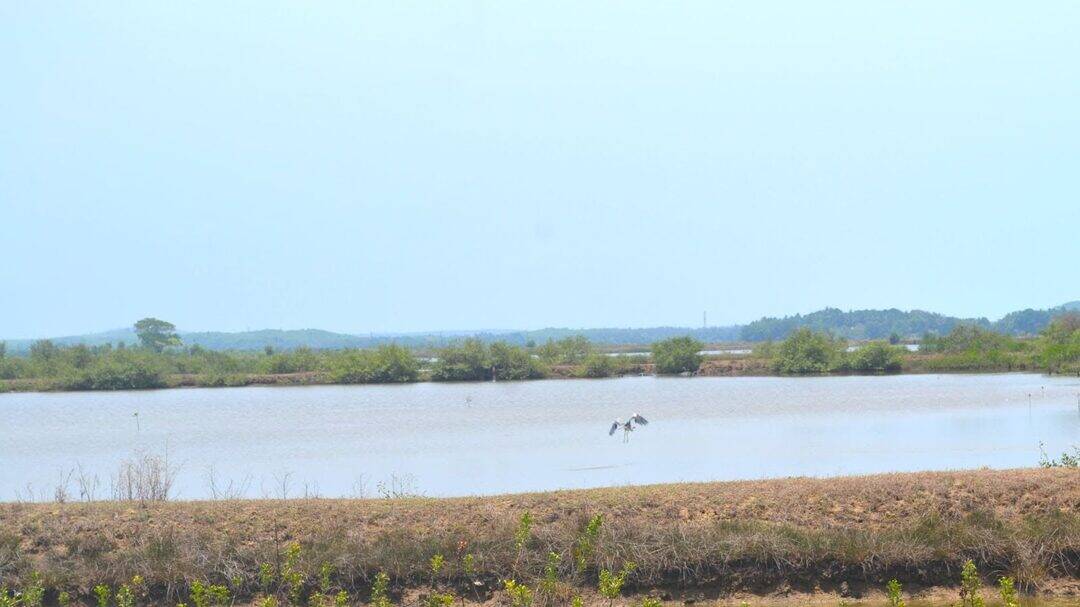
Wetlands are one of the most critical ecosystems in India, providing a range of ecosystem services, including water filtration, flood control, and habitat for numerous plant and animal species. India has over 4.7% of its geographical area covered by wetlands, which support a vast array of biodiversity, including fish, birds, and mammals. However, these ecosystems are facing numerous threats, including climate change, pollution, and human activities such as agriculture and urbanization.
The Sentinel-2 Satellite Mapping System
The Sentinel-2 satellite mapping system is a cutting-edge technology developed by scientists at ISRO, IIST, and Gujarat University. The system uses a combination of satellite imagery and machine learning algorithms to identify submerged plants in wetlands with 94% accuracy. The study monitored 500 of India’s largest wetlands, covering an area of over 1.3 million hectares. The results of the study revealed that nearly 100 lakes, mostly in central and southern India, are experiencing a major decline in vital plant life.
Decline of Plant Life in Indian Wetlands
The decline of plant life in Indian wetlands is a alarming trend, with nearly 100 lakes showing a significant decrease in submerged plant species. The study found that the decline of plant life is most pronounced in central and southern India, where many of the country’s largest wetlands are located. The decline of plant life in these ecosystems can have severe consequences, including reduced water quality, decreased biodiversity, and increased greenhouse gas emissions.
Urgent Climate Actions Required
The results of the study call for urgent climate actions to preserve India’s vital ecosystems. The decline of plant life in Indian wetlands is a clear indication of the impact of climate change on the country’s biodiversity. To mitigate these impacts, the Indian government and other stakeholders must take immediate action to reduce greenhouse gas emissions, protect and restore wetlands, and promote sustainable land use practices.
Conservation Efforts
Conservation efforts are essential to protect India’s biodiversity and preserve the country’s vital ecosystems. The Indian government has launched several initiatives to conserve and protect wetlands, including the National Wetland Conservation Programme and the Wetland (Conservation and Management) Rules. However, more needs to be done to address the scale and complexity of the issue.
Role of Satellite Technology in Conservation
Satellite technology, such as Sentinel-2, plays a critical role in conservation efforts. Satellite imagery can be used to monitor wetlands, track changes in plant life, and identify areas that require conservation efforts. The use of satellite technology can also help to reduce the costs and improve the efficiency of conservation efforts.
Conclusion
In conclusion, the Sentinel-2 satellite mapping system is a powerful tool for protecting India’s biodiversity. The system’s ability to identify submerged plants with 94% accuracy makes it an essential tool for monitoring and managing wetlands. The results of the study, which monitored 500 of India’s largest wetlands, highlight the urgent need for climate action to preserve the country’s vital ecosystems. The decline of plant life in Indian wetlands is a clear indication of the impact of climate change on the country’s biodiversity, and immediate action is required to reduce greenhouse gas emissions, protect and restore wetlands, and promote sustainable land use practices.
About the Author