How does Sentinel-2 protect India’s biodiversity?
India, a country with a rich and diverse range of flora and fauna, is facing a significant threat to its biodiversity. The country’s wetlands, which are crucial for maintaining ecological balance and supporting a wide range of plant and animal species, are under severe stress due to climate change, human activities, and other environmental factors. To address this issue, scientists at the Indian Space Research Organisation (ISRO), Indian Institute of Space Science and Technology (IIST), and Gujarat University have developed a new satellite mapping system, Sentinel-2, which can identify submerged plants with 94% accuracy.
The study, which monitored 500 of India’s largest wetlands, used Sentinel-2 to track changes in plant life over a period of time. The results are alarming, with nearly 100 lakes, mostly in central and southern India, experiencing a significant decline in vital plant life. This decline is not only a threat to the biodiversity of these wetlands but also has serious implications for the ecosystem as a whole. The study highlights the need for urgent climate action to protect India’s wetlands and the plant and animal species that depend on them.
The importance of wetlands
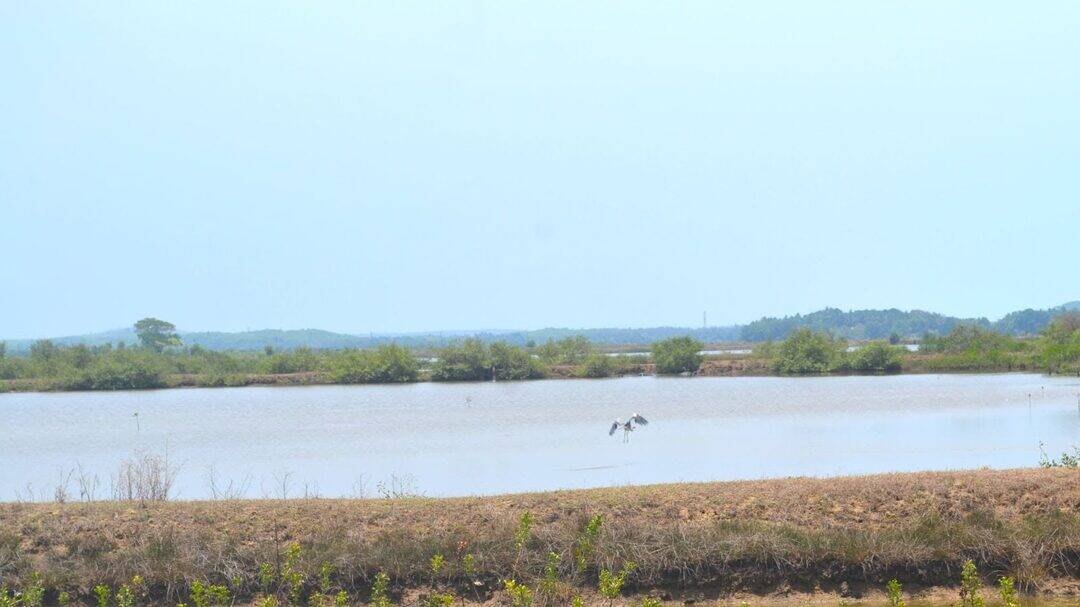
Wetlands are one of the most important ecosystems in the world, providing a wide range of ecological services, including water filtration, flood control, and habitat creation for plants and animals. They are also crucial for supporting human livelihoods, with many communities depending on them for fishing, agriculture, and other activities. In India, wetlands cover around 4.7% of the country’s land area and support a wide range of plant and animal species, including many that are found nowhere else in the world.
Despite their importance, India’s wetlands are facing a range of threats, including climate change, pollution, and human activities such as deforestation, urbanization, and agriculture. These threats are leading to a decline in the health and biodiversity of the country’s wetlands, with serious implications for the ecosystem and human livelihoods.
The role of Sentinel-2
Sentinel-2 is a satellite mapping system that uses advanced technology to track changes in plant life in wetlands. The system uses a range of spectral bands to identify different types of plants and track changes in their distribution and abundance over time. The high accuracy of Sentinel-2, which can identify submerged plants with 94% accuracy, makes it a powerful tool for monitoring the health of wetlands and tracking changes in plant life.
The use of Sentinel-2 in the study of India’s wetlands has provided valuable insights into the state of the country’s biodiversity. The results of the study show that many of India’s wetlands are experiencing a decline in plant life, with serious implications for the ecosystem and human livelihoods. The study highlights the need for urgent climate action to protect India’s wetlands and the plant and animal species that depend on them.
The impact of climate change
Climate change is one of the major drivers of the decline in plant life in India’s wetlands. Rising temperatures, changing precipitation patterns, and increased frequency of extreme weather events are all having a significant impact on the health and biodiversity of the country’s wetlands. The study found that many of the wetlands that are experiencing a decline in plant life are located in areas that are highly vulnerable to climate change.
The impact of climate change on India’s wetlands is not only a threat to the biodiversity of these ecosystems but also has serious implications for human livelihoods. Many communities depend on wetlands for fishing, agriculture, and other activities, and the decline of these ecosystems is having a significant impact on the livelihoods of these communities.
The need for urgent climate action
The results of the study highlight the need for urgent climate action to protect India’s wetlands and the plant and animal species that depend on them. The study shows that many of India’s wetlands are experiencing a decline in plant life, with serious implications for the ecosystem and human livelihoods. The need for climate action is urgent, and the government, civil society, and other stakeholders must work together to protect the country’s wetlands and the biodiversity they support.
Some of the actions that can be taken to protect India’s wetlands include:
- Implementing policies and laws to protect wetlands and the biodiversity they support
- Providing support to communities that depend on wetlands for their livelihoods
- Promoting sustainable land use practices, such as agroforestry and permaculture, that reduce the impact of human activities on wetlands
- Investing in research and development to improve our understanding of the impacts of climate change on wetlands and to develop effective strategies for mitigating these impacts
Conclusion
The study of India’s wetlands using Sentinel-2 has provided valuable insights into the state of the country’s biodiversity. The results of the study show that many of India’s wetlands are experiencing a decline in plant life, with serious implications for the ecosystem and human livelihoods. The need for urgent climate action to protect India’s wetlands and the plant and animal species that depend on them is clear. The government, civil society, and other stakeholders must work together to implement policies and laws to protect wetlands, promote sustainable land use practices, and support communities that depend on these ecosystems for their livelihoods.
The use of Sentinel-2 in the study of India’s wetlands is a significant step forward in our understanding of the impacts of climate change on these ecosystems. The high accuracy of the system makes it a powerful tool for monitoring the health of wetlands and tracking changes in plant life over time. The results of the study highlight the need for urgent climate action to protect India’s wetlands and the biodiversity they support.
News Source: https://researchmatters.in/news/satellite-monitoring-reveals-declining-plant-life-hundreds-indian-wetlands
About the Author