How does Sentinel-2 protect India’s biodiversity?
India is home to a diverse range of ecosystems, including wetlands, forests, and grasslands, which support a wide variety of plant and animal life. However, the country’s biodiversity is facing numerous threats, including climate change, habitat destruction, and pollution. To address these challenges, scientists at the Indian Space Research Organisation (ISRO), Indian Institute of Space Technology (IIST), and Gujarat University have developed a new satellite mapping system, Sentinel-2, which can identify submerged plants with 94% accuracy.
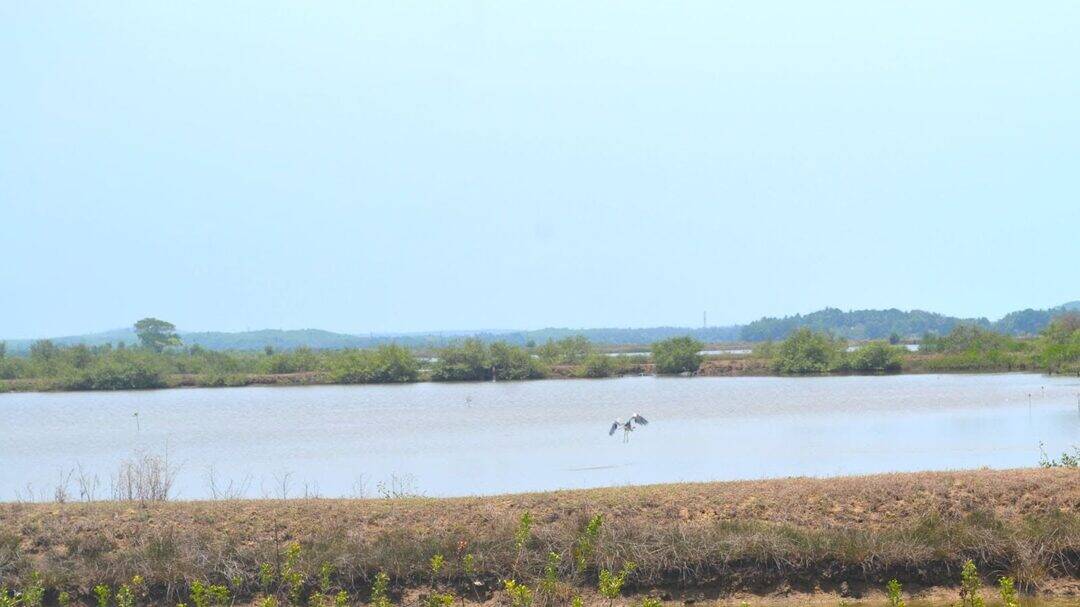
The Sentinel-2 system uses advanced satellite imaging technology to monitor the health of India’s wetlands, which are crucial ecosystems that support a wide range of plant and animal life. The study, which monitored 500 of India’s largest wetlands, used Sentinel-2 data to track changes in plant life over time. The results of the study are alarming, with nearly 100 lakes, mostly in central and southern India, seeing a major decline in vital plant life.
The decline of plant life in India’s wetlands is a serious concern, as these ecosystems provide a range of important ecosystem services, including water filtration, flood control, and habitat for wildlife. The loss of plant life can have significant impacts on the environment, including decreased water quality, increased greenhouse gas emissions, and reduced biodiversity.
The Sentinel-2 system is a powerful tool for monitoring the health of India’s wetlands, and the results of the study demonstrate its potential for identifying areas that are in need of conservation efforts. The system uses a combination of satellite imagery and machine learning algorithms to identify and classify different types of vegetation, including submerged plants.
The study found that the decline of plant life in India’s wetlands is largely due to climate change, which is altering the water levels and water quality of these ecosystems. The changing climate is also leading to increased evaporation, which is reducing the water levels in many of India’s lakes and wetlands. The resulting decline in plant life can have significant impacts on the environment, including decreased biodiversity and reduced ecosystem services.
The results of the study call for urgent climate actions to protect India’s wetlands and the plant life that they support. The Indian government has launched several initiatives to protect the country’s wetlands, including the National Wetland Conservation Programme, which aims to conserve and manage the country’s wetlands through a combination of conservation efforts and sustainable development.
The Sentinel-2 system is an important tool for supporting these conservation efforts, as it provides detailed information on the health of India’s wetlands and the impacts of climate change on these ecosystems. The system can be used to identify areas that are in need of conservation efforts, and to track the effectiveness of conservation initiatives over time.
In addition to its potential for supporting conservation efforts, the Sentinel-2 system also has a range of other applications, including monitoring water quality, tracking changes in land use, and identifying areas that are at risk of flooding. The system can be used to support a range of decision-making processes, from conservation planning to urban planning, and can help to inform policies and initiatives that aim to protect India’s environment.
The development of the Sentinel-2 system is a significant achievement for Indian scientists, and demonstrates the country’s growing capabilities in the field of satellite technology. The system is an example of the innovative solutions that are being developed to address the challenges facing India’s environment, and highlights the importance of continued investment in scientific research and development.
In conclusion, the Sentinel-2 system is a powerful tool for protecting India’s biodiversity, and the results of the study demonstrate its potential for identifying areas that are in need of conservation efforts. The decline of plant life in India’s wetlands is a serious concern, and the Sentinel-2 system is an important tool for supporting conservation efforts and tracking the impacts of climate change on these ecosystems. The Indian government and other stakeholders must take urgent action to protect the country’s wetlands and the plant life that they support, and the Sentinel-2 system is an important tool for supporting these efforts.
The study’s findings are a wake-up call for the Indian government and other stakeholders to take immediate action to protect the country’s wetlands and the plant life that they support. The Sentinel-2 system is a valuable resource for supporting these conservation efforts, and its continued development and deployment will be critical for protecting India’s biodiversity in the years to come.
The use of satellite technology to monitor the health of India’s wetlands is a significant step forward in the country’s conservation efforts, and the Sentinel-2 system is an important tool for supporting these efforts. The system’s ability to identify submerged plants with 94% accuracy is a major achievement, and its potential for tracking changes in plant life over time is significant.
The study’s findings are a reminder of the importance of continued investment in scientific research and development, particularly in the field of environmental conservation. The development of the Sentinel-2 system is a significant achievement for Indian scientists, and demonstrates the country’s growing capabilities in the field of satellite technology.
The Sentinel-2 system is an important tool for supporting conservation efforts in India, and its continued development and deployment will be critical for protecting the country’s biodiversity. The system’s potential for identifying areas that are in need of conservation efforts, and for tracking the impacts of climate change on India’s wetlands, makes it a valuable resource for conservationists and policymakers.
In the years to come, the Sentinel-2 system is likely to play an increasingly important role in India’s conservation efforts, and its continued development and deployment will be critical for protecting the country’s biodiversity. The system’s ability to provide detailed information on the health of India’s wetlands, and its potential for tracking changes in plant life over time, make it a powerful tool for supporting conservation efforts and informing policy decisions.
News Source: https://researchmatters.in/news/satellite-monitoring-reveals-declining-plant-life-hundreds-indian-wetlands
About the Author