How does Sentinel-2 protect India’s biodiversity?
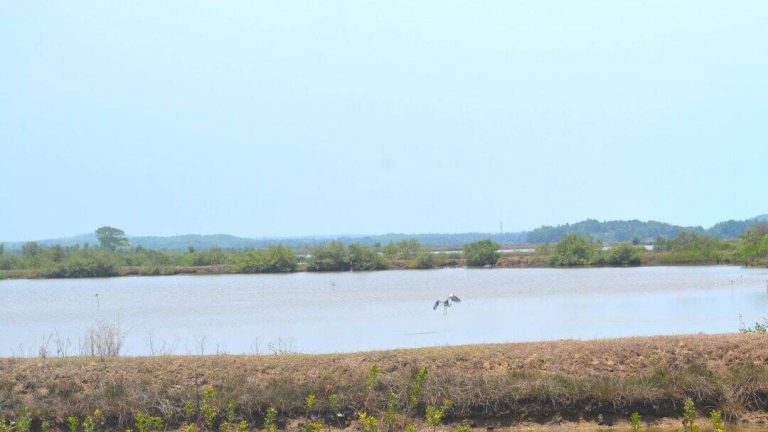
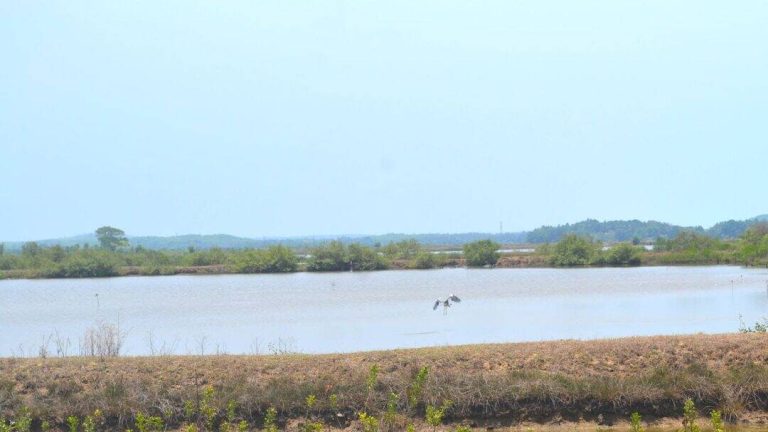
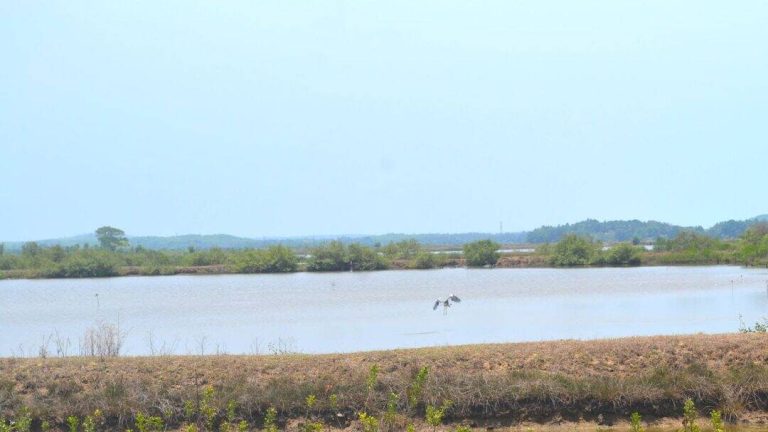
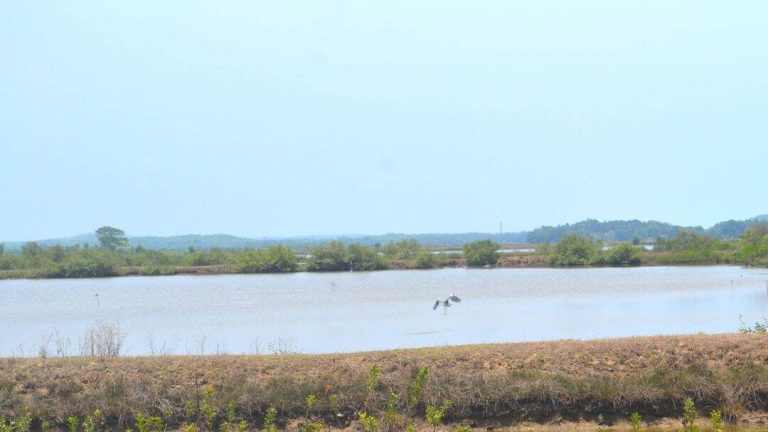
India is home to a diverse range of flora and fauna, with its wetlands being a crucial part of the country’s ecosystem. Wetlands are not only a habitat for numerous plant and animal species, but they also play a vital role in maintaining the water cycle, preventing floods, and supporting agriculture. However, these vital ecosystems are facing numerous threats, including climate change, pollution, and human activities such as deforestation and land conversion. To mitigate these threats and protect India’s biodiversity, scientists at the Indian Space Research Organisation (ISRO), Indian Institute of Space Science and Technology (IIST), and Gujarat University have developed a new satellite mapping system, Sentinel-2.
Sentinel-2 is a cutting-edge technology that uses satellite imagery to monitor and map wetlands, allowing scientists to track changes in plant life and water quality. The system has been shown to identify submerged plants with an impressive 94% accuracy, making it a valuable tool for conservation efforts. In a recent study, the researchers used Sentinel-2 to monitor 500 of India’s largest wetlands, with alarming results. The study found that nearly 100 lakes, mostly in central and southern India, are experiencing a significant decline in vital plant life.
The decline of plant life in these wetlands is a cause for concern, as it can have far-reaching consequences for the ecosystem as a whole. Plants play a crucial role in maintaining the health of wetlands, providing food and shelter for animals, and helping to regulate the water cycle. Without these plants, wetlands can become degraded, leading to a loss of biodiversity and ecosystem function. The study’s findings highlight the need for urgent climate action to protect India’s wetlands and the plant life that inhabits them.
The use of Sentinel-2 technology has revolutionized the way scientists monitor and study wetlands. Traditional methods of monitoring wetlands, such as field surveys and aerial photography, can be time-consuming and expensive. Sentinel-2, on the other hand, provides a quick and cost-effective way to gather data on wetlands, allowing scientists to track changes over time and identify areas that need conservation efforts. The technology can also be used to monitor other aspects of wetland health, such as water quality and soil moisture.
The study’s findings have significant implications for conservation efforts in India. The decline of plant life in wetlands is often a sign of broader environmental issues, such as pollution, climate change, and human activities such as deforestation and land conversion. To address these issues, conservation efforts must take a holistic approach, addressing the root causes of environmental degradation and promoting sustainable land use practices. This can involve working with local communities to develop sustainable livelihoods, implementing policies to reduce pollution and protect wetlands, and restoring degraded habitats.
The development of Sentinel-2 technology is a testament to the power of collaboration and innovation in addressing environmental challenges. The partnership between ISRO, IIST, and Gujarat University has brought together experts from a range of fields, including remote sensing, ecology, and conservation biology. The study’s findings demonstrate the importance of interdisciplinary research in understanding and addressing complex environmental issues.
In conclusion, the Sentinel-2 technology has the potential to play a vital role in protecting India’s biodiversity, particularly in its wetlands. The study’s findings highlight the need for urgent climate action to address the decline of plant life in these ecosystems. By using Sentinel-2 to monitor and track changes in wetlands, scientists and conservationists can identify areas that need protection and develop targeted conservation efforts. As India continues to grow and develop, it is essential that we prioritize the protection of our natural resources, including our wetlands, and work towards a more sustainable future.
The use of Sentinel-2 technology is just one example of how science and technology can be harnessed to address environmental challenges. As we move forward, it is essential that we continue to invest in research and development, and work towards developing innovative solutions to protect our planet. By working together, we can ensure that India’s wetlands and the plant life that inhabits them continue to thrive for generations to come.
Read more about the study at: https://researchmatters.in/news/satellite-monitoring-reveals-declining-plant-life-hundreds-indian-wetlands
About the Author