How does Sentinel-2 protect India’s biodiversity?
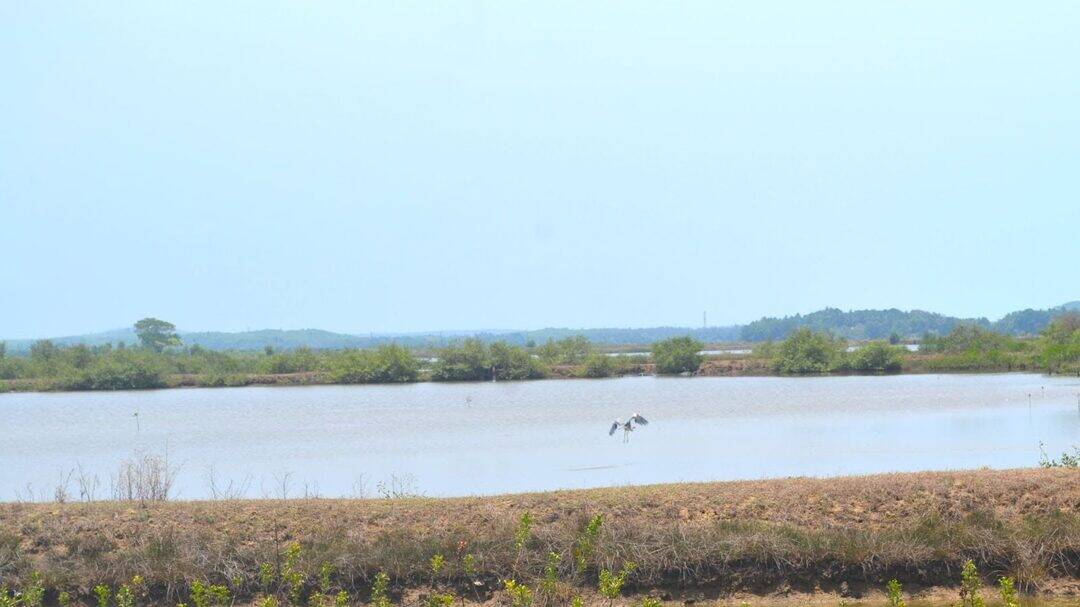
India is home to a diverse range of flora and fauna, with its vast wetlands playing a crucial role in supporting the country’s rich biodiversity. Wetlands, which include lakes, rivers, and marshes, provide a habitat for numerous plant and animal species, and are essential for maintaining the health of ecosystems. However, these vital ecosystems are facing numerous threats, including climate change, pollution, and human activities such as deforestation and urbanization. To monitor and protect India’s wetlands, scientists at the Indian Space Research Organisation (ISRO), Indian Institute of Space Science and Technology (IIST), and Gujarat University have developed a new satellite mapping system, Sentinel-2.
Sentinel-2 is a state-of-the-art satellite system that uses advanced remote sensing technology to monitor the health of wetlands. The system is equipped with high-resolution cameras that can capture detailed images of the Earth’s surface, allowing scientists to identify and track changes in plant life. In a recent study, the researchers used Sentinel-2 to monitor 500 of India’s largest wetlands, with a focus on identifying submerged plants. The results of the study were astonishing, with the system able to identify submerged plants with an accuracy of 94%.
The study, which was conducted over a period of several years, revealed a disturbing trend. Nearly 100 lakes, mostly in central and southern India, were found to be experiencing a major decline in vital plant life. This decline is a cause for concern, as plant life is essential for maintaining the health of wetlands. Plants help to purify the water, provide a habitat for animals, and prevent soil erosion. Without them, the entire ecosystem can collapse, leading to a loss of biodiversity and ecosystem services.
The decline in plant life in India’s wetlands is attributed to a combination of factors, including climate change, pollution, and human activities. Rising temperatures and changing precipitation patterns are altering the water levels and water quality in wetlands, making it difficult for plants to survive. Pollution from agricultural runoff, industrial effluent, and domestic waste is also affecting the health of wetlands, with many lakes and rivers becoming increasingly eutrophic. Human activities such as deforestation, urbanization, and the construction of dams and canals are also disrupting the natural flow of water and altering the habitat of plants and animals.
The findings of the study highlight the need for urgent climate action to protect India’s wetlands. The researchers are calling for immediate measures to be taken to reduce pollution, restore habitats, and promote sustainable land use practices. This can include initiatives such as afforestation, wetland restoration, and the creation of protected areas. The government, civil society, and local communities must work together to address the decline of plant life in wetlands and to promote the conservation of these vital ecosystems.
The use of Sentinel-2 technology is a significant step forward in the monitoring and protection of India’s wetlands. The system provides a cost-effective and efficient way to track changes in plant life and to identify areas that require conservation efforts. The data collected by Sentinel-2 can be used to inform policy decisions, to develop conservation strategies, and to monitor the effectiveness of conservation efforts.
In addition to its use in monitoring wetlands, Sentinel-2 has a range of other applications. The system can be used to monitor land use changes, to track the spread of diseases, and to predict natural disasters such as floods and droughts. The technology can also be used to promote sustainable agriculture, by providing farmers with detailed information about soil moisture, crop health, and weather patterns.
In conclusion, the development of Sentinel-2 is a significant milestone in the protection of India’s biodiversity. The system has the potential to revolutionize the way we monitor and manage wetlands, and to promote the conservation of these vital ecosystems. The findings of the study highlight the need for urgent climate action to address the decline of plant life in wetlands, and to promote sustainable land use practices. As India continues to develop and grow, it is essential that we prioritize the protection of our natural resources, including our wetlands, and that we take immediate action to address the impacts of climate change.
The use of Sentinel-2 technology is just one example of the innovative solutions that are being developed to address the challenges facing India’s wetlands. As we move forward, it is essential that we continue to invest in research and development, and that we work together to promote the conservation of these vital ecosystems. By doing so, we can help to protect India’s rich biodiversity, and to ensure a sustainable future for generations to come.
About the Author