How does Sentinel-2 protect India’s biodiversity?
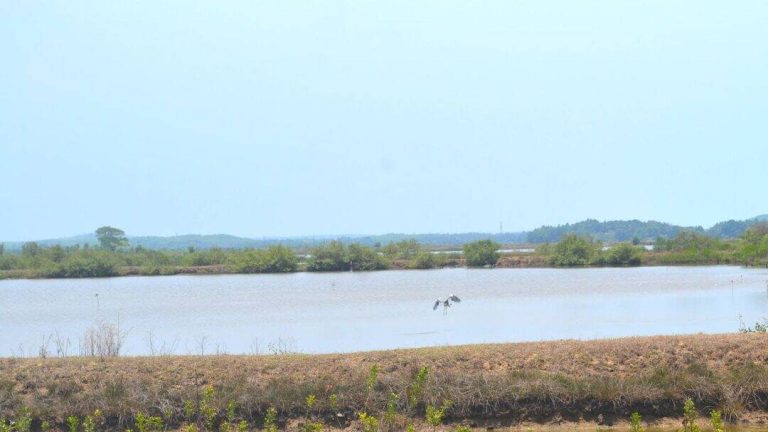
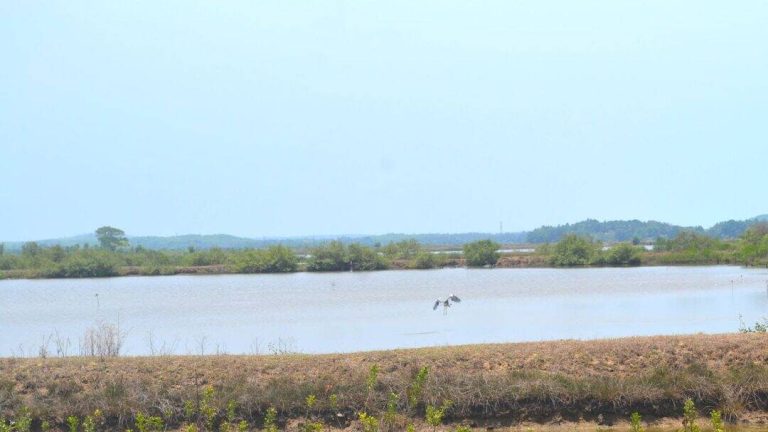
India is home to a diverse range of ecosystems, from the Himalayan mountains to the mangrove forests of the Sundarbans. The country’s wetlands, in particular, are a vital component of its biodiversity, providing habitat for countless species of plants and animals. However, these ecosystems are facing numerous threats, including climate change, pollution, and human activities such as deforestation and urbanization. To combat these threats, scientists at the Indian Space Research Organisation (ISRO), the Indian Institute of Space Science and Technology (IIST), and Gujarat University have developed a new satellite mapping system, known as Sentinel-2.
The Sentinel-2 system is a game-changer in the field of wetland conservation. Using advanced satellite imaging technology, it can identify submerged plants with an astonishing 94% accuracy. This level of precision is unprecedented, and it has enabled scientists to monitor the health of India’s wetlands with unprecedented detail. In a recent study, the researchers used Sentinel-2 to monitor 500 of India’s largest wetlands, covering an area of over 1.5 million hectares. The results of the study are both fascinating and alarming.
The study found that nearly 100 lakes, mostly in central and southern India, have seen a major decline in vital plant life. This decline is a clear indication of the impact of climate change and human activities on India’s wetlands. The researchers used Sentinel-2 to analyze the satellite data and identify areas where plant life was declining. They found that the decline was most pronounced in lakes that were shallow, with limited water depth. These lakes are particularly vulnerable to changes in water level, temperature, and other environmental factors.
The findings of the study are a wake-up call for policymakers and conservationists. They highlight the urgent need for climate action to protect India’s wetlands and the biodiversity they support. The researchers are calling for immediate measures to be taken to reduce the impact of human activities on these ecosystems. This includes reducing pollution, conserving water, and restoring habitats that have been degraded or destroyed.
The Sentinel-2 system is a powerful tool in the fight to protect India’s biodiversity. Its ability to identify submerged plants with high accuracy makes it an invaluable asset for conservation efforts. The system can be used to monitor the health of wetlands, track changes in plant life, and identify areas where conservation efforts are needed most. It can also be used to monitor the impact of climate change on these ecosystems, providing policymakers with the data they need to make informed decisions.
The development of Sentinel-2 is a testament to the power of collaboration between scientists, policymakers, and conservationists. The system was developed through a partnership between ISRO, IIST, and Gujarat University, and it demonstrates the potential for innovative technologies to drive conservation efforts. The researchers involved in the project are to be commended for their dedication and expertise, and their work serves as a model for future conservation initiatives.
In conclusion, the Sentinel-2 system is a vital tool in the protection of India’s biodiversity. Its ability to identify submerged plants with high accuracy makes it an essential asset for conservation efforts, and its potential to drive climate action is vast. The findings of the recent study highlight the urgent need for action to protect India’s wetlands, and the Sentinel-2 system is poised to play a key role in this effort. As we move forward, it is essential that we continue to support and develop innovative technologies like Sentinel-2, and that we work together to protect the natural world for future generations.
The decline of plant life in India’s wetlands is a complex issue, and it will require a multifaceted approach to address. However, with the Sentinel-2 system, we have a powerful tool at our disposal. By leveraging this technology, we can monitor the health of India’s wetlands, track changes in plant life, and identify areas where conservation efforts are needed most. We can also use the system to monitor the impact of climate change on these ecosystems, providing policymakers with the data they need to make informed decisions.
As we look to the future, it is essential that we continue to develop and refine technologies like Sentinel-2. We must also work to raise awareness about the importance of conservation and the impact of human activities on the natural world. By working together, we can protect India’s biodiversity and ensure a healthy, thriving planet for generations to come.
About the Author