How does Sentinel-2 protect India’s biodiversity?
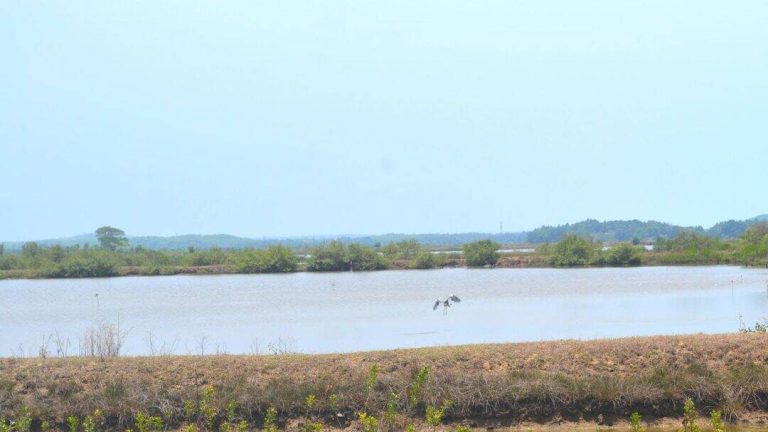
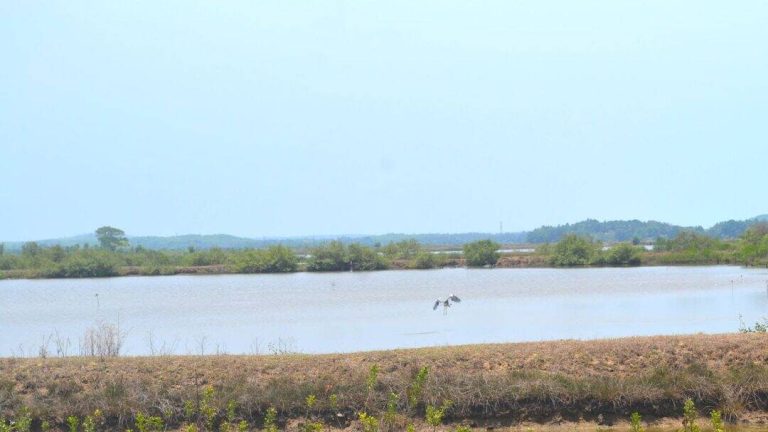
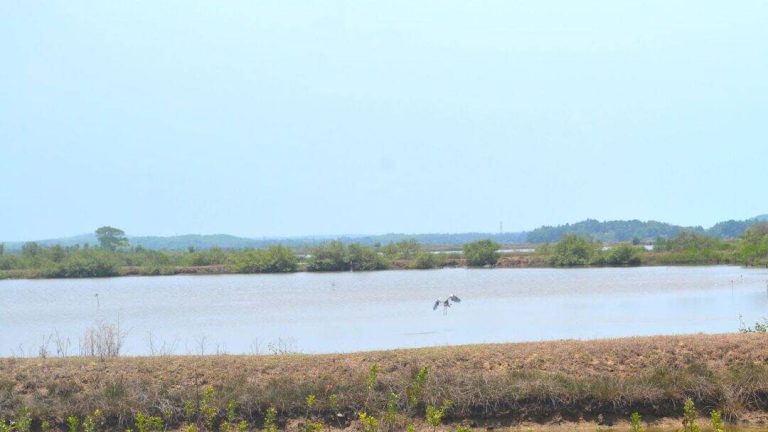
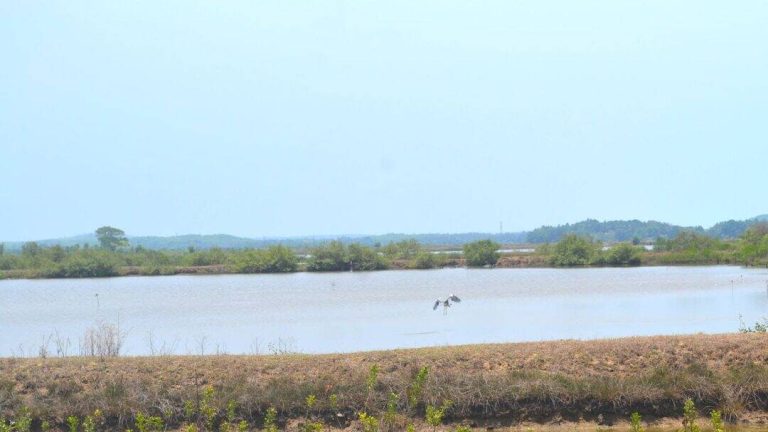
India is home to a diverse range of flora and fauna, with a vast array of ecosystems that support a wide variety of plant and animal life. The country’s wetlands, in particular, are a crucial part of its biodiversity, providing habitat for numerous species of plants and animals, and playing a vital role in maintaining the health of the environment. However, these ecosystems are facing numerous threats, including climate change, pollution, and human activities such as deforestation and urbanization. In order to protect India’s biodiversity, it is essential to monitor and manage these ecosystems effectively. This is where the Sentinel-2 satellite mapping system comes in, a new technology developed by scientists at ISRO, IIST, and Gujarat University.
The Sentinel-2 system is a powerful tool for monitoring India’s wetlands, using advanced satellite imaging technology to identify and track changes in plant life. The system has been shown to be highly accurate, with a 94% success rate in identifying submerged plants. This is a significant improvement over previous methods, which often relied on manual surveys and were limited in their scope and accuracy. With the Sentinel-2 system, scientists can now monitor hundreds of wetlands across the country, providing a comprehensive picture of the health of these ecosystems.
A recent study using the Sentinel-2 system monitored 500 of India’s largest wetlands, and the results are alarming. The study found that nearly 100 lakes, mostly in central and southern India, are experiencing a major decline in vital plant life. This is a worrying trend, as plant life is a crucial component of these ecosystems, providing food and habitat for numerous species of animals. The decline of plant life in these wetlands can have far-reaching consequences, including the loss of biodiversity, decreased water quality, and increased vulnerability to climate change.
The Sentinel-2 system is not only a powerful tool for monitoring India’s wetlands, but it also has the potential to inform conservation efforts. By identifying areas where plant life is declining, scientists and conservationists can target their efforts to protect and restore these ecosystems. This can involve a range of activities, including the reintroduction of native plant species, the removal of invasive species, and the implementation of sustainable land-use practices.
The study’s findings also highlight the urgent need for climate action. Climate change is a major driver of the decline of plant life in India’s wetlands, and it is essential that we take steps to reduce our carbon footprint and mitigate the effects of climate change. This can involve a range of activities, including the transition to renewable energy sources, the implementation of sustainable land-use practices, and the protection and restoration of natural ecosystems.
In addition to its potential to inform conservation efforts, the Sentinel-2 system also has the potential to support sustainable development. By providing accurate and up-to-date information on the health of India’s wetlands, the system can help to inform decision-making around land use and development. This can involve identifying areas that are most vulnerable to climate change, and prioritizing conservation efforts in these areas. It can also involve identifying opportunities for sustainable development, such as the restoration of degraded wetlands, and the promotion of eco-tourism.
The development of the Sentinel-2 system is a significant achievement, and it highlights the importance of collaboration and innovation in protecting India’s biodiversity. The system was developed by scientists at ISRO, IIST, and Gujarat University, and it demonstrates the potential for interdisciplinary collaboration to drive innovation and solve complex problems. It also highlights the importance of investing in science and technology, and the need for continued support for research and development in this area.
In conclusion, the Sentinel-2 satellite mapping system is a powerful tool for protecting India’s biodiversity. Its ability to identify submerged plants with 94% accuracy makes it an essential tool for monitoring the health of India’s wetlands, and its potential to inform conservation efforts and support sustainable development is significant. The study’s findings, which highlight the decline of plant life in hundreds of Indian wetlands, are a call to action, and they emphasize the urgent need for climate action and conservation efforts. As we move forward, it is essential that we continue to invest in science and technology, and that we prioritize the protection of India’s biodiversity.
Learn more about this topic at: https://researchmatters.in/news/satellite-monitoring-reveals-declining-plant-life-hundreds-indian-wetlands
About the Author