How does Sentinel-2 protect India’s biodiversity?
India is home to a diverse range of ecosystems, including wetlands, forests, and grasslands, which support a wide variety of plant and animal species. However, the country’s biodiversity is facing numerous threats, including climate change, habitat destruction, and pollution. To mitigate these threats, scientists at the Indian Space Research Organisation (ISRO), Indian Institute of Space Science and Technology (IIST), and Gujarat University have developed a new satellite mapping system, Sentinel-2, which can identify submerged plants with 94% accuracy.
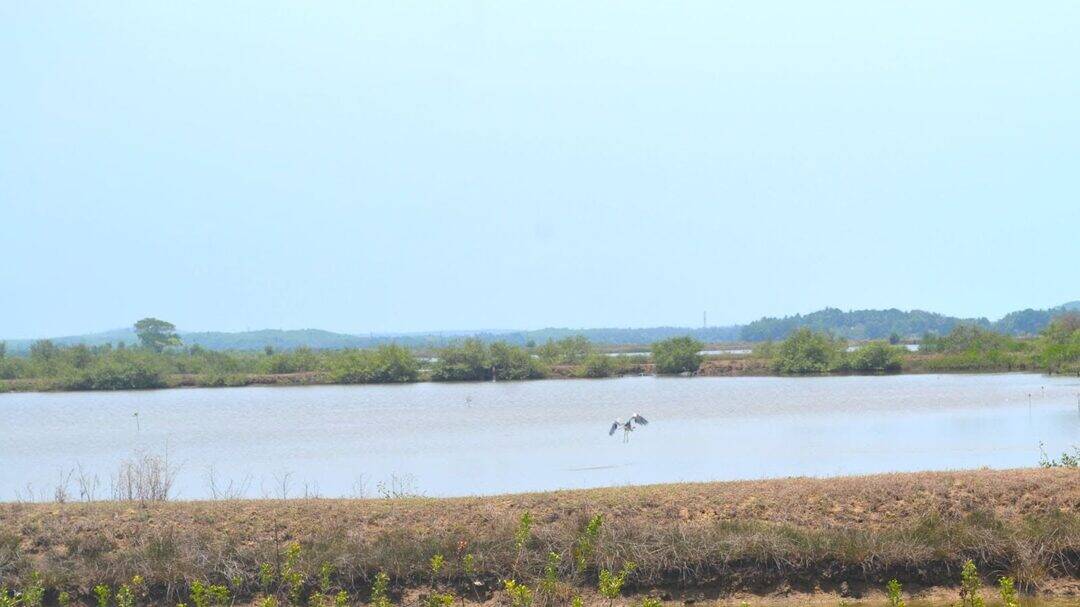
The Sentinel-2 system has been used to monitor 500 of India’s largest wetlands, and the results are alarming. Nearly 100 lakes, mostly in central and southern India, have seen a major decline in vital plant life. This decline is a cause for concern, as wetlands play a crucial role in supporting biodiversity, regulating water cycles, and providing livelihoods for local communities. The study highlights the need for urgent climate action to protect India’s wetlands and the species that depend on them.
The Sentinel-2 system uses advanced satellite imaging technology to map and monitor wetlands. The system can identify submerged plants, such as aquatic vegetation, with a high degree of accuracy. This information can be used to track changes in plant life over time, allowing scientists to identify areas where conservation efforts are needed. The system can also be used to monitor water quality, track changes in water levels, and identify areas where human activities, such as agriculture or urbanization, are impacting wetlands.
The study, which was conducted using the Sentinel-2 system, found that many of India’s wetlands are facing significant threats. The decline in plant life in these wetlands is likely due to a combination of factors, including climate change, pollution, and human activities such as over-extraction of water and encroachment of wetlands. The study highlights the need for urgent action to protect these ecosystems, including measures to reduce pollution, conserve water, and promote sustainable land use practices.
One of the key findings of the study is that many of India’s wetlands are facing a decline in plant life due to climate change. Rising temperatures and changing precipitation patterns are altering the delicate balance of these ecosystems, leading to a decline in plant species that are adapted to specific conditions. This decline can have cascading effects on the entire ecosystem, leading to a loss of biodiversity and ecosystem function.
The study also highlights the importance of conservation efforts to protect India’s wetlands. The government and other stakeholders can take measures to reduce pollution, conserve water, and promote sustainable land use practices. This can include measures such as restoring degraded wetlands, promoting eco-tourism, and supporting local communities that depend on these ecosystems.
The Sentinel-2 system is a powerful tool for monitoring and managing India’s wetlands. The system can provide valuable insights into the health of these ecosystems, allowing scientists and policymakers to make informed decisions about conservation and management. The system can also be used to track the effectiveness of conservation efforts, allowing for adaptive management and continuous improvement.
In addition to its use in monitoring wetlands, the Sentinel-2 system has a range of other applications. The system can be used to monitor forests, grasslands, and other ecosystems, providing valuable insights into the health and biodiversity of these systems. The system can also be used to track changes in land use and land cover, allowing scientists to understand the impacts of human activities on the environment.
The development of the Sentinel-2 system is a testament to the power of collaboration and innovation in science. The system was developed by a team of scientists from ISRO, IIST, and Gujarat University, who worked together to design and implement the system. The system is a prime example of how science and technology can be used to address some of the most pressing environmental challenges facing our planet.
In conclusion, the Sentinel-2 system is a powerful tool for protecting India’s biodiversity. The system can identify submerged plants with 94% accuracy, providing valuable insights into the health of India’s wetlands. The study highlights the need for urgent climate action to protect these ecosystems, including measures to reduce pollution, conserve water, and promote sustainable land use practices. The Sentinel-2 system is a prime example of how science and technology can be used to address some of the most pressing environmental challenges facing our planet, and its development is a testament to the power of collaboration and innovation in science.
About the Author