How does Sentinel-2 protect India’s biodiversity?
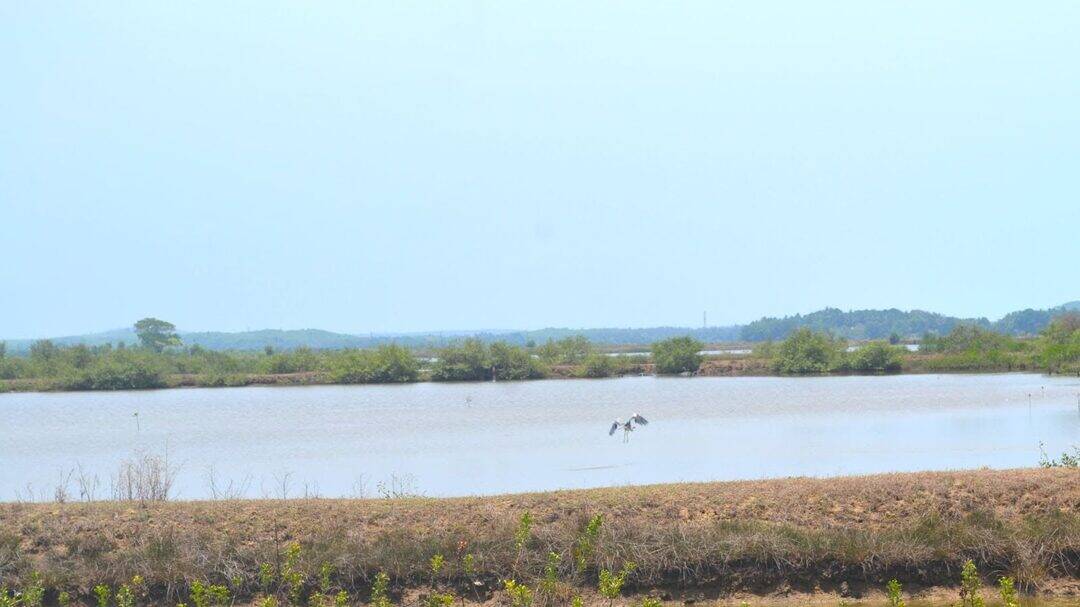
India is home to a diverse range of flora and fauna, with a wide variety of ecosystems that support a vast array of plant and animal life. The country’s wetlands, in particular, are a crucial component of its biodiversity, providing habitat for numerous species of plants and animals, and playing a vital role in maintaining the health of the environment. However, these ecosystems are facing numerous threats, including climate change, pollution, and human activities such as deforestation and land conversion. To combat these threats and protect India’s biodiversity, scientists at the Indian Space Research Organisation (ISRO), the Indian Institute of Space Science and Technology (IIST), and Gujarat University have developed a new satellite mapping system, Sentinel-2.
Sentinel-2 is a cutting-edge technology that uses satellite imaging to monitor and map the country’s wetlands, with a focus on identifying submerged plants. The system has been shown to be highly effective, with an accuracy of 94% in identifying these plants. This is a significant breakthrough, as submerged plants play a crucial role in maintaining the health of wetland ecosystems, providing food and shelter for numerous species of animals, and helping to regulate the water cycle.
The study, which monitored 500 of India’s largest wetlands, has revealed some alarming trends. Nearly 100 lakes, mostly in central and southern India, have seen a major decline in vital plant life. This decline is likely due to a combination of factors, including climate change, pollution, and human activities such as deforestation and land conversion. The results of the study call for urgent climate actions to protect these ecosystems and prevent further decline.
The use of Sentinel-2 technology has several advantages over traditional methods of monitoring wetlands. For one, it allows for the rapid and accurate identification of submerged plants, which can be difficult to detect using traditional methods. This information can then be used to inform conservation efforts and protect these ecosystems. Additionally, the technology can be used to monitor large areas of wetlands, making it an effective tool for tracking changes in these ecosystems over time.
The development of Sentinel-2 is a significant step forward in the protection of India’s biodiversity. By providing a powerful tool for monitoring and mapping wetlands, the technology has the potential to inform conservation efforts and protect these ecosystems from further decline. The study’s findings also highlight the urgent need for climate action to protect India’s wetlands, and the importance of addressing the root causes of decline in these ecosystems.
One of the key advantages of Sentinel-2 is its ability to provide high-resolution images of wetlands, allowing scientists to identify subtle changes in these ecosystems. This information can be used to track changes in plant life, water quality, and other factors that are critical to the health of these ecosystems. Additionally, the technology can be used to identify areas that are most at risk, allowing conservation efforts to be targeted effectively.
The study’s findings have significant implications for conservation efforts in India. The decline of submerged plants in the country’s wetlands is a major concern, as these plants play a crucial role in maintaining the health of these ecosystems. The use of Sentinel-2 technology provides a powerful tool for monitoring and protecting these ecosystems, and the study’s findings highlight the urgent need for climate action to address the root causes of decline.
In addition to its use in monitoring wetlands, Sentinel-2 technology has the potential to be used in a variety of other applications, including agriculture, forestry, and urban planning. The technology’s ability to provide high-resolution images of the environment makes it a valuable tool for a wide range of fields, and its potential uses are vast.
In conclusion, the development of Sentinel-2 technology is a significant step forward in the protection of India’s biodiversity. The technology’s ability to identify submerged plants with high accuracy makes it a powerful tool for monitoring and mapping wetlands, and its potential uses are vast. The study’s findings highlight the urgent need for climate action to protect India’s wetlands, and the importance of addressing the root causes of decline in these ecosystems. As the country continues to face numerous environmental challenges, the use of Sentinel-2 technology provides a valuable tool for protecting its biodiversity and promoting sustainable development.
About the Author