How does Sentinel-2 protect India’s biodiversity?
India is home to a vast and diverse range of ecosystems, from the towering Himalayas to the lush rainforests of the Western Ghats. The country’s rich biodiversity is not only a source of national pride but also plays a crucial role in maintaining the health of the planet. However, India’s natural habitats are facing numerous threats, including climate change, pollution, and human activities such as deforestation and urbanization. To combat these challenges, scientists at the Indian Space Research Organisation (ISRO), Indian Institute of Space Technology (IIST), and Gujarat University have developed a new satellite mapping system, Sentinel-2, which can identify submerged plants with 94% accuracy.
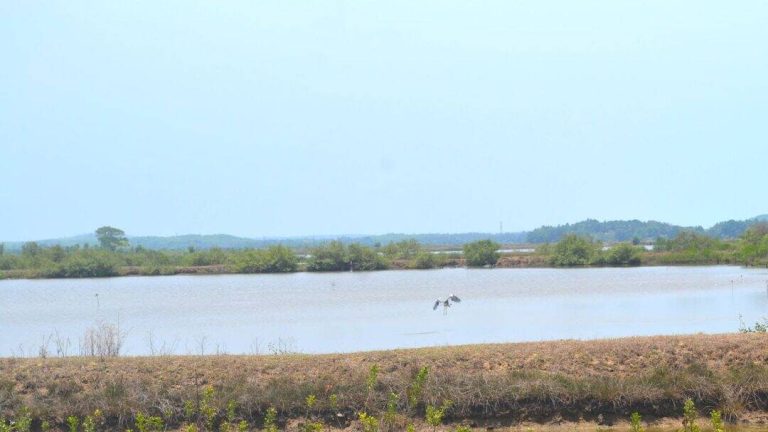
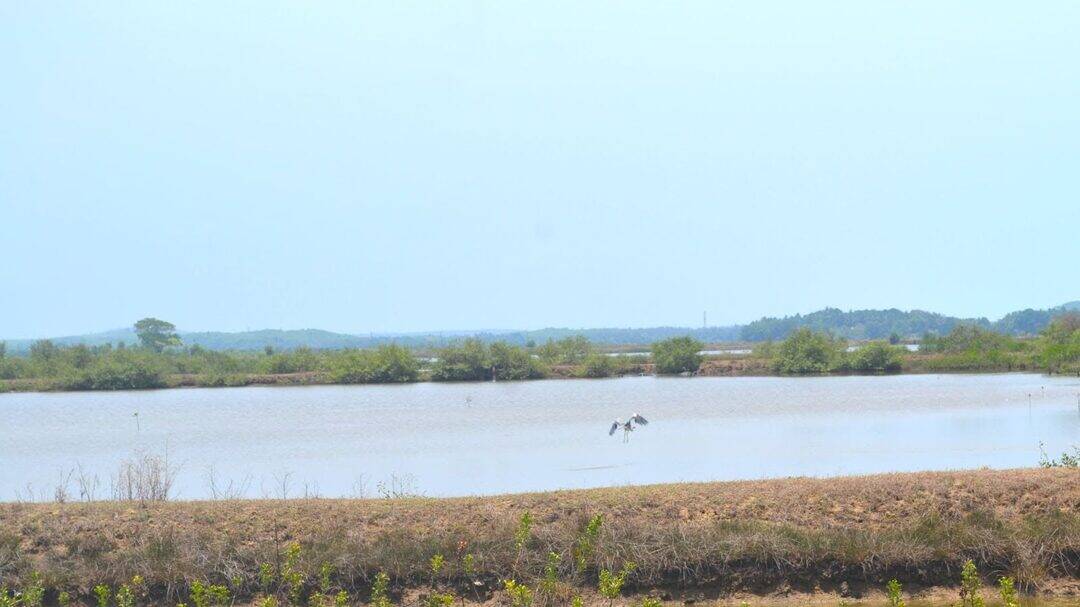
The Sentinel-2 system has been used to monitor 500 of India’s largest wetlands, providing valuable insights into the health of these ecosystems. The results of the study are alarming, with nearly 100 lakes, mostly in central and southern India, experiencing a significant decline in vital plant life. This decline is not only a threat to the biodiversity of these ecosystems but also has significant implications for the climate, as plants play a crucial role in absorbing carbon dioxide and producing oxygen.
The development of the Sentinel-2 system is a significant breakthrough in the field of satellite mapping and has the potential to revolutionize the way we monitor and protect India’s biodiversity. The system uses advanced satellite imaging technology to identify and map submerged plants in wetlands, allowing scientists to track changes in these ecosystems over time. This information can be used to inform conservation efforts and develop effective strategies for protecting India’s natural habitats.
One of the key advantages of the Sentinel-2 system is its ability to provide high-resolution images of wetlands, allowing scientists to identify even small changes in plant life. This level of detail is essential for monitoring the health of these ecosystems, as even small changes can have significant impacts on the overall biodiversity of the area. The system is also highly accurate, with a 94% success rate in identifying submerged plants.
The study conducted using the Sentinel-2 system has provided valuable insights into the state of India’s wetlands. The results show that many of these ecosystems are facing significant threats, including pollution, climate change, and human activities such as deforestation and urbanization. The decline in plant life in these ecosystems is not only a threat to biodiversity but also has significant implications for the climate, as plants play a crucial role in absorbing carbon dioxide and producing oxygen.
The findings of the study have significant implications for conservation efforts in India. The results highlight the need for urgent action to protect the country’s wetlands and the plant life that they support. This can be achieved through a range of strategies, including the restoration of degraded habitats, the reduction of pollution, and the implementation of sustainable land-use practices.
The development of the Sentinel-2 system is a significant achievement for Indian scientists and has the potential to make a major contribution to the protection of the country’s biodiversity. The system is a powerful tool for monitoring and tracking changes in India’s ecosystems, allowing scientists to identify areas that are most in need of conservation efforts. By providing high-resolution images of wetlands and identifying submerged plants with 94% accuracy, the Sentinel-2 system is an essential tool in the fight to protect India’s natural habitats.
In conclusion, the Sentinel-2 system is a significant breakthrough in the field of satellite mapping and has the potential to play a major role in the protection of India’s biodiversity. The system’s ability to identify submerged plants with 94% accuracy and provide high-resolution images of wetlands makes it an essential tool for monitoring and tracking changes in these ecosystems. The results of the study conducted using the Sentinel-2 system highlight the need for urgent action to protect India’s wetlands and the plant life that they support. By working together to protect these ecosystems, we can help to preserve the country’s rich biodiversity and ensure a healthy and sustainable future for generations to come.
The study’s findings are a call to action, highlighting the need for urgent climate actions to protect India’s biodiversity. The decline in plant life in the country’s wetlands is a significant threat to the health of these ecosystems and the climate as a whole. By using the Sentinel-2 system to monitor and track changes in these ecosystems, scientists and conservationists can work together to develop effective strategies for protecting India’s natural habitats.
The Sentinel-2 system is a powerful tool in the fight to protect India’s biodiversity, and its development is a significant achievement for Indian scientists. The system has the potential to make a major contribution to conservation efforts in the country, and its findings highlight the need for urgent action to protect the country’s wetlands and the plant life that they support. By working together to protect these ecosystems, we can help to preserve India’s rich biodiversity and ensure a healthy and sustainable future for generations to come.
About the Author