How does Sentinel-2 protect India’s biodiversity?
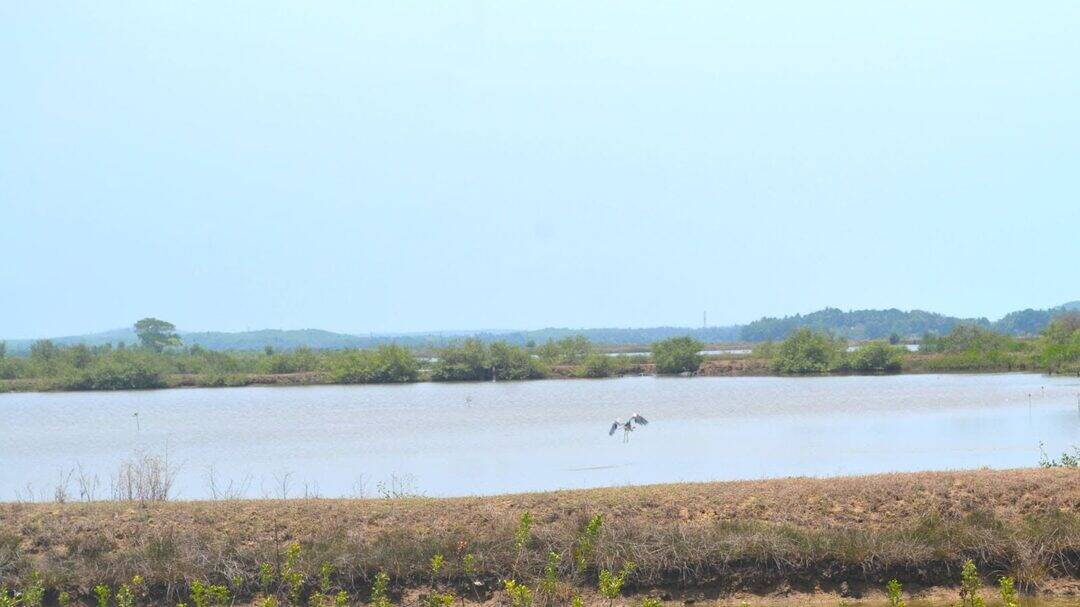
India is home to a vast array of ecosystems, each teeming with unique and diverse plant and animal life. The country’s wetlands, in particular, are crucial habitats for numerous species of plants and animals, and play a vital role in maintaining the health of the environment. However, these ecosystems are facing numerous threats, including climate change, pollution, and human activities such as deforestation and urbanization. To mitigate these threats and protect India’s biodiversity, scientists at the Indian Space Research Organisation (ISRO), Indian Institute of Space Technology (IIST), and Gujarat University have developed a new satellite mapping system, Sentinel-2.
Sentinel-2 is a state-of-the-art technology that uses satellite imaging to monitor and map the health of wetlands and other ecosystems. The system is equipped with advanced sensors that can identify submerged plants with an impressive accuracy of 94%. This technology has been used to monitor 500 of India’s largest wetlands, providing valuable insights into the health of these ecosystems. The results of the study are alarming, with nearly 100 lakes, mostly in central and southern India, showing a significant decline in vital plant life.
The decline of plant life in India’s wetlands is a pressing concern, as these ecosystems provide numerous benefits to both the environment and human populations. Wetlands help to filter water, prevent soil erosion, and provide habitat for countless species of plants and animals. They also support agriculture, fishing, and other industries, making them a vital component of India’s economy. The loss of plant life in these ecosystems can have far-reaching consequences, including the loss of biodiversity, decreased water quality, and reduced economic opportunities.
The Sentinel-2 system has been instrumental in identifying areas where plant life is declining, allowing conservation efforts to be targeted effectively. By monitoring the health of wetlands and other ecosystems, scientists can identify areas that require urgent attention and develop strategies to protect and restore these habitats. This information can also be used to inform policy decisions, ensuring that conservation efforts are supported by accurate and reliable data.
One of the key advantages of the Sentinel-2 system is its ability to provide high-resolution images of wetlands and other ecosystems. These images can be used to identify subtle changes in the health of these ecosystems, allowing scientists to detect early warning signs of decline. The system can also be used to monitor the effectiveness of conservation efforts, providing valuable insights into the impact of these initiatives on the health of wetlands and other ecosystems.
The development of the Sentinel-2 system is a significant achievement, demonstrating the power of collaboration and innovation in addressing environmental challenges. The partnership between ISRO, IIST, and Gujarat University has brought together experts from a range of disciplines, including ecology, remote sensing, and computer science. This collaboration has enabled the development of a cutting-edge technology that has the potential to make a significant impact on conservation efforts in India.
The findings of the study highlight the need for urgent climate action to protect India’s wetlands and other ecosystems. Climate change is having a profound impact on these habitats, with rising temperatures, changing precipitation patterns, and increased frequency of extreme weather events all contributing to the decline of plant life. To mitigate these impacts, it is essential that conservation efforts are supported by accurate and reliable data, such as that provided by the Sentinel-2 system.
In conclusion, the Sentinel-2 system is a powerful tool in the fight to protect India’s biodiversity. By providing high-resolution images of wetlands and other ecosystems, this technology can help identify areas where plant life is declining, allowing conservation efforts to be targeted effectively. The findings of the study highlight the need for urgent climate action to protect these habitats, and demonstrate the importance of collaboration and innovation in addressing environmental challenges. As India continues to grow and develop, it is essential that conservation efforts are prioritized, and the Sentinel-2 system is a valuable asset in this endeavor.
About the Author