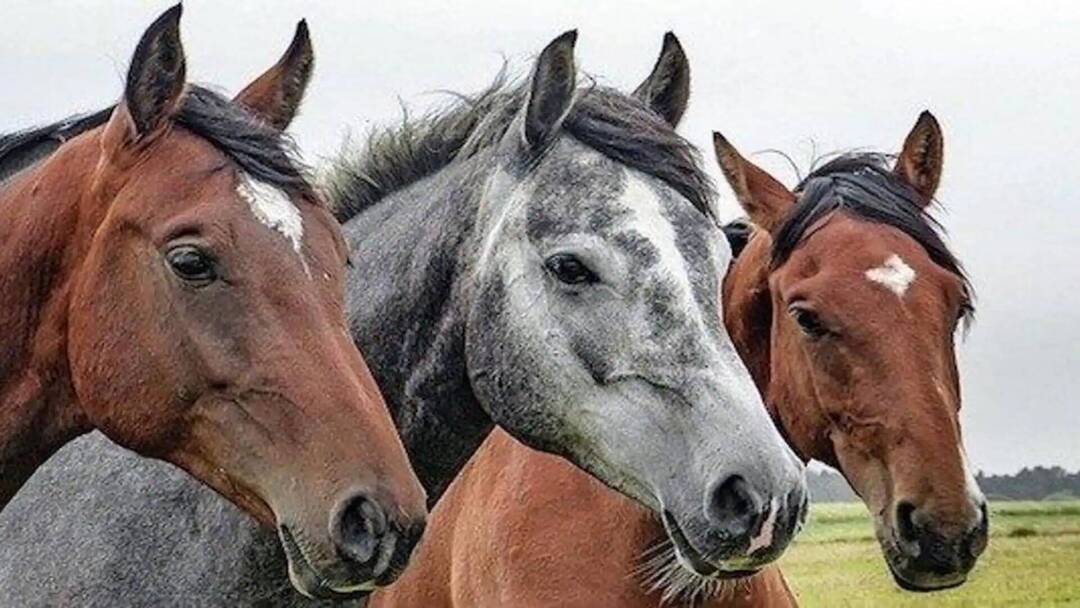
Horses can detect fear in humans by smell: Study
For centuries, humans have been fascinated by the unique abilities of horses. Their intelligence, strength, and agility have made them a popular companion for various activities, from riding to therapy. Recently, a study published in the journal PLOS One has shed light on another remarkable ability of horses: their capacity to detect fear in humans through smell. This breakthrough research has significant implications for our understanding of horse-human interactions and the complex ways in which animals perceive and respond to human emotions.
The study, conducted by a team of researchers, aimed to investigate the ability of horses to detect and respond to human emotional states, specifically fear, through olfactory cues. To achieve this, the researchers collected body odour samples from people who had watched either horror films or joyful film scenes. The participants were asked to wear a t-shirt while watching the films, and the shirts were then used to collect the odour samples. These samples were later presented to horses in a controlled environment, and their responses were observed and recorded.
The results of the study were striking. Horses exposed to body odour samples from people who had watched horror films startled more easily, showed higher heart rates, and were less likely to approach their handlers than when exposed to odours from people watching joyful film scenes. This suggests that horses are indeed capable of detecting fear in humans through smell and responding accordingly. The researchers believe that this ability is likely linked to the horse’s natural instinct to detect and respond to potential threats, which is essential for their survival in the wild.
The study’s findings have significant implications for horse-human interactions, particularly in therapeutic and training settings. For example, horses are often used in equine-assisted therapy programs to help people with mental health issues, such as anxiety and post-traumatic stress disorder (PTSD). The ability of horses to detect fear in humans could be leveraged to improve the effectiveness of these programs, allowing therapists to tailor their approaches to the individual needs of each client.
Furthermore, the study’s results highlight the importance of considering the emotional state of humans when interacting with horses. Horse trainers and riders often focus on the animal’s behavior and body language, but this research suggests that the emotional state of the human can also play a significant role in shaping the horse’s behavior. By being aware of their own emotional state and taking steps to manage their fear and anxiety, horse handlers may be able to improve their relationships with their equine companions and reduce the risk of accidents or conflicts.
The study’s findings also raise interesting questions about the evolution of horse-human interactions. Horses have been domesticated for thousands of years, and during this time, they have developed a unique ability to read human body language and respond to human emotions. The ability to detect fear in humans through smell may be an adaptation that has evolved over time, allowing horses to better navigate their relationships with humans and avoid potential threats.
In addition to its practical implications, the study’s results also contribute to our understanding of the complex and multifaceted nature of animal communication. While humans often rely on visual and auditory cues to communicate, many animals, including horses, use olfactory cues to convey information and navigate their social environments. The ability of horses to detect fear in humans through smell highlights the importance of considering the role of olfaction in animal communication and the need for further research in this area.
In conclusion, the study’s findings demonstrate that horses are capable of detecting fear in humans through smell, and this ability has significant implications for our understanding of horse-human interactions and animal communication. By recognizing the importance of emotional state and olfactory cues in shaping horse behavior, we can improve our relationships with these remarkable animals and develop more effective approaches to training, therapy, and conservation. As we continue to learn more about the complex and fascinating world of animal communication, we may uncover even more surprising abilities and insights that challenge our assumptions and deepen our appreciation for the natural world.
For more information on this study and its findings, please visit: https://www.newsbytesapp.com/news/world/researchers-say-horses-can-smell-fear/story
About the Author