Genes of Roommates Can Influence Gut Microbiome: Study
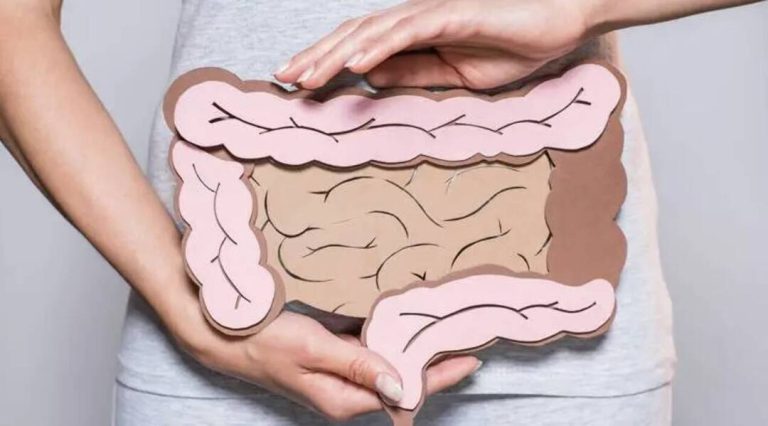
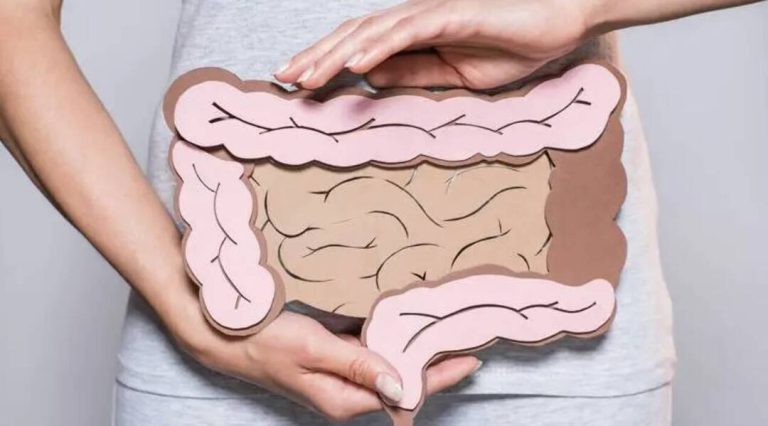
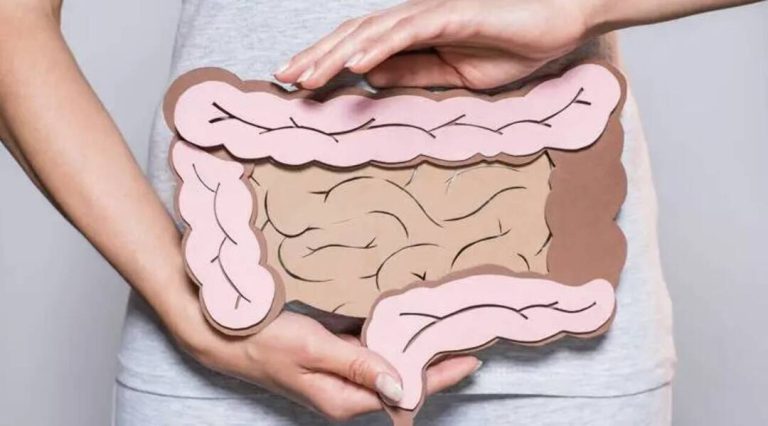
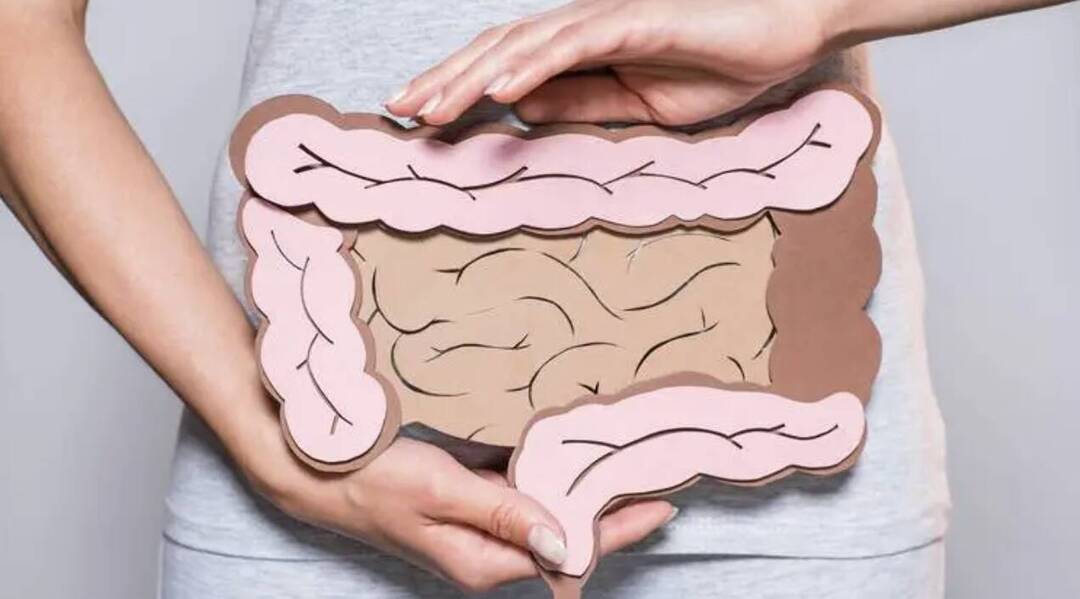
The human gut microbiome is a complex ecosystem composed of trillions of microorganisms that play a crucial role in our overall health and wellbeing. While it is well established that an individual’s diet, lifestyle, and environmental factors can influence the composition of their gut microbiome, a recent study suggests that the genes of those we live with can also have a significant impact. This groundbreaking research, conducted in rats, has found that the genetic makeup of roommates can shape the gut bacteria of those around them, even in the absence of direct DNA exchange.
The study, which was conducted by a team of scientists, aimed to investigate the relationship between genetics and the gut microbiome in a social context. To do this, they used a rat model, where they housed rats with different genetic backgrounds together and analyzed the composition of their gut microbiomes. The researchers found that the genetic makeup of the rats’ roommates had a significant impact on the types of bacteria present in their gut.
Specifically, the study identified three genetic regions that were associated with changes in the gut microbiome. One of these regions, which contained the gene St6galnac1, was linked to higher levels of a sugar-feeding bacterium called Paraprevotella. This suggests that the genetic effects of one individual can spread socially, indirectly influencing the health of those around them without the need for direct DNA exchange.
The implications of this study are significant, as they suggest that the people we live with can have a profound impact on our health, even if we don’t share a biological relationship with them. This is particularly relevant in today’s society, where many people live with roommates or family members who are not genetically related to them. The study’s findings also highlight the importance of considering the social environment when studying the gut microbiome and its relationship to human health.
The gut microbiome is known to play a crucial role in a wide range of physiological processes, including digestion, immune function, and even brain function. An imbalance of the gut microbiome, also known as dysbiosis, has been linked to a variety of diseases and disorders, including inflammatory bowel disease, obesity, and mental health conditions. Therefore, understanding the factors that influence the gut microbiome is essential for the development of effective strategies for promoting health and preventing disease.
The study’s use of a rat model allowed the researchers to control for various environmental and lifestyle factors that can influence the gut microbiome, such as diet and stress. This enabled them to isolate the effect of genetics on the gut microbiome and to identify specific genetic regions that were associated with changes in the gut bacteria.
The identification of the St6galnac1 gene as a key player in shaping the gut microbiome is particularly interesting, as it is involved in the regulation of glycosylation, a process by which sugars are attached to proteins or lipids. The study’s findings suggest that variations in this gene can influence the types of bacteria that are present in the gut, which can have significant implications for health.
The study’s results also have implications for our understanding of the complex relationships between genetics, environment, and health. While it is well established that genetics can influence an individual’s susceptibility to certain diseases, the study’s findings suggest that genetics can also influence the health of those around us, even if we don’t share a biological relationship with them.
In conclusion, the study’s findings highlight the complex and multifaceted nature of the gut microbiome and its relationship to human health. The discovery that the genes of roommates can influence the gut microbiome suggests that the social environment plays a critical role in shaping our health, and that we should consider the genetic makeup of those around us when trying to understand the factors that influence our wellbeing.
As we continue to learn more about the gut microbiome and its relationship to human health, it is essential that we consider the social context in which we live. By recognizing the impact that our roommates and family members can have on our health, we can take steps to promote a healthy gut microbiome and to prevent disease.
The study’s findings also highlight the importance of continued research into the gut microbiome and its relationship to human health. By exploring the complex relationships between genetics, environment, and health, we can gain a deeper understanding of the factors that influence our wellbeing and develop effective strategies for promoting health and preventing disease.
For more information on this study, please visit: https://www.sciencedaily.com/releases/2025/12/251223043938.htm
About the Author