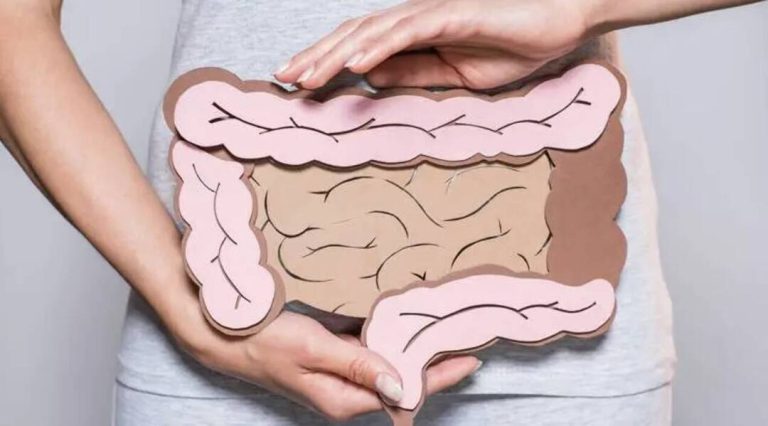
Genes of Roommates Can Influence Gut Microbiome: Study
The human gut microbiome is a complex ecosystem consisting of trillions of microorganisms that play a crucial role in our overall health and wellbeing. While it is well-established that our diet, lifestyle, and environment can influence the composition of our gut microbiome, a recent study has made a groundbreaking discovery that suggests that the genes of individuals we live with can also have a significant impact on our gut bacteria.
The study, which was conducted on rats, found that the genetic makeup of roommates can influence the gut microbiome, even in the absence of DNA exchange. This means that the genetic effects can spread socially, indirectly impacting the health of others without the need for a direct genetic link. The findings of this study have significant implications for our understanding of the factors that shape our gut microbiome and how they can affect our health.
To conduct the study, researchers used a novel approach that involved housing rats with different genetic backgrounds together and then analyzing the composition of their gut microbiome. The results showed that the genetic makeup of the roommates had a significant impact on the types of bacteria present in the gut, with certain genetic regions affecting the abundance of specific bacterial species.
One of the key findings of the study was the identification of three genetic regions that were associated with changes in the gut microbiome. These regions were found to be linked to the presence of specific bacterial species, including the sugar-feeding bacterium Paraprevotella. The gene St6galnac1, in particular, was found to be associated with higher levels of Paraprevotella, suggesting that this gene may play a role in shaping the gut microbiome.
The discovery that the genes of roommates can influence the gut microbiome has significant implications for our understanding of the factors that shape our gut bacteria. It suggests that the people we live with can have a profound impact on our health, even if we don’t share a direct genetic link. This is because the genetic effects can spread socially, through the exchange of microorganisms and other environmental factors.
The study’s findings also have implications for the development of personalized medicine approaches that take into account the unique genetic and environmental factors that shape an individual’s gut microbiome. By understanding how the genes of roommates can influence the gut microbiome, researchers may be able to develop new strategies for preventing and treating diseases that are associated with an imbalance of the gut bacteria.
Furthermore, the study’s findings highlight the importance of considering the social and environmental factors that shape our gut microbiome. This includes the people we live with, the food we eat, and the environment we are exposed to. By taking a more holistic approach to understanding the factors that shape our gut microbiome, we may be able to develop new strategies for promoting health and preventing disease.
In addition to the implications for human health, the study’s findings also have significant implications for our understanding of the evolution of the gut microbiome. The discovery that the genes of roommates can influence the gut microbiome suggests that the evolution of the gut microbiome is a complex process that involves the interaction of multiple genetic and environmental factors.
The study’s findings also raise interesting questions about the role of genetics in shaping the gut microbiome. For example, do the genes of roommates influence the gut microbiome through the exchange of microorganisms, or are there other mechanisms at play? Further research is needed to fully understand the mechanisms by which the genes of roommates can influence the gut microbiome.
In conclusion, the study’s findings suggest that the genes of roommates can have a significant impact on the gut microbiome, even in the absence of DNA exchange. This discovery has significant implications for our understanding of the factors that shape our gut bacteria and how they can affect our health. By considering the social and environmental factors that shape our gut microbiome, we may be able to develop new strategies for promoting health and preventing disease.
The study’s findings are a reminder that our health is not just determined by our individual genetic makeup, but also by the people we live with and the environment we are exposed to. As we continue to learn more about the complex interactions between our genes, environment, and gut microbiome, we may uncover new and innovative ways to promote health and prevent disease.
For more information on this study, visit: https://www.sciencedaily.com/releases/2025/12/251223043938.htm
About the Author