Genes of Roommates Can Influence Gut Microbiome: Study
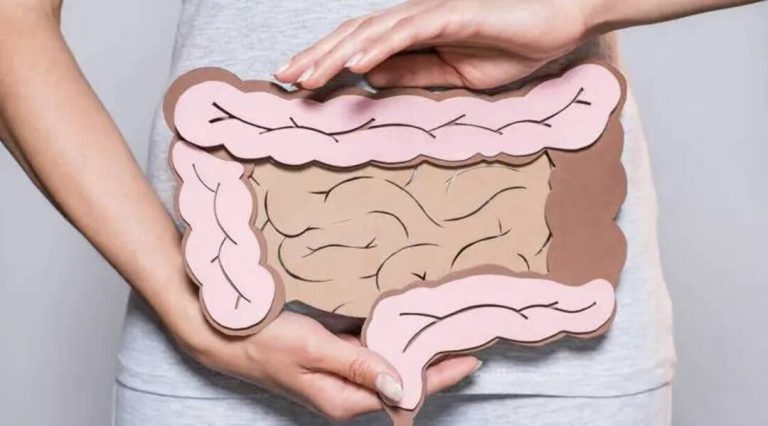
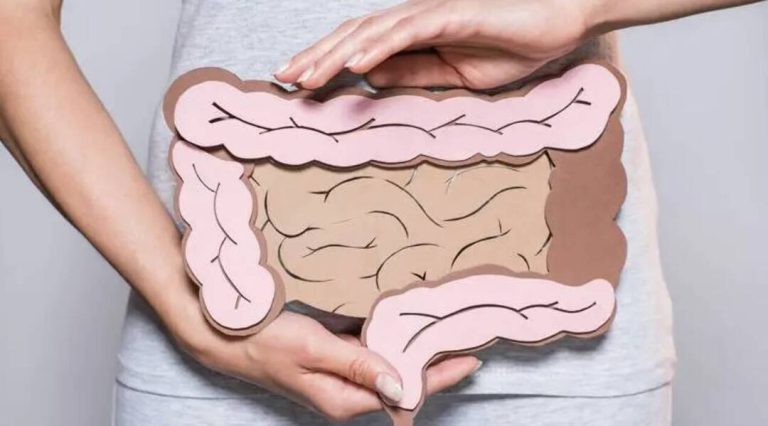
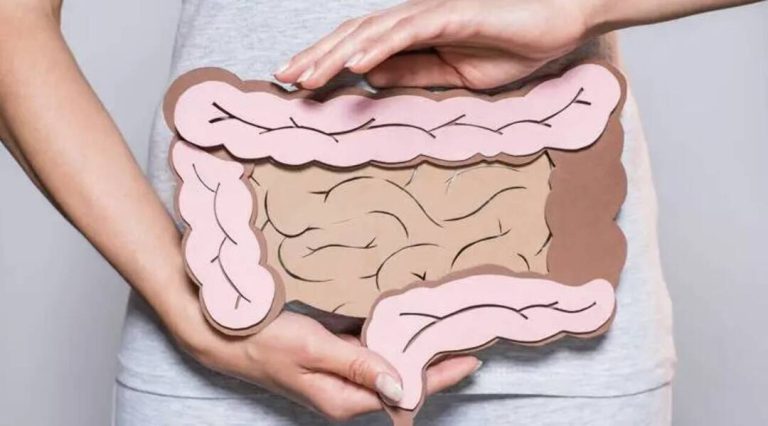
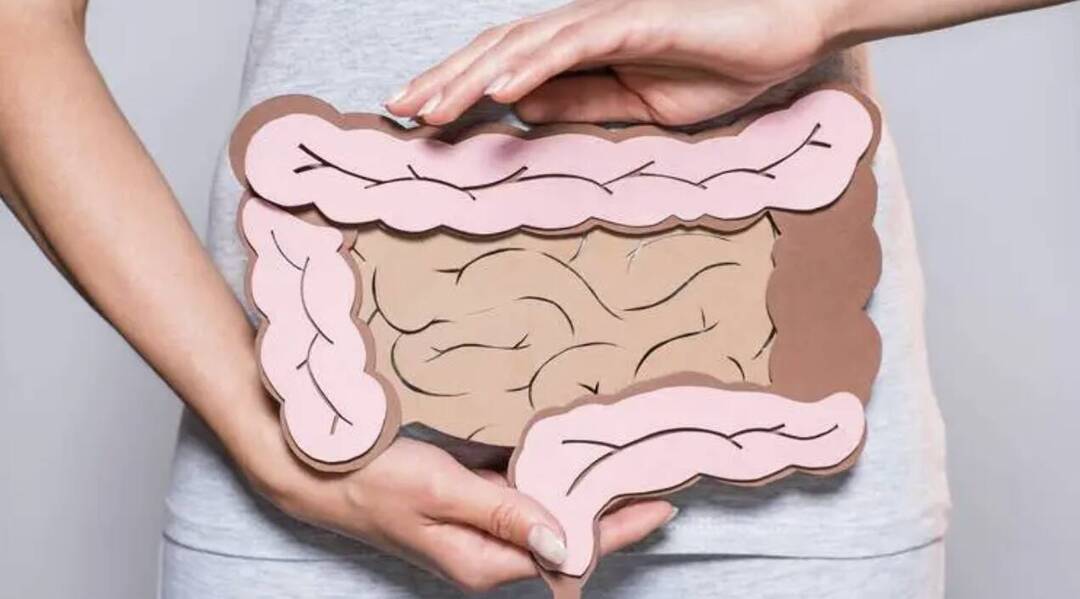
The human gut microbiome is a complex ecosystem composed of trillions of microorganisms that play a crucial role in our overall health and well-being. Recent research has shown that the gut microbiome is influenced by a variety of factors, including diet, lifestyle, and environmental factors. However, a new study has made a groundbreaking discovery that suggests the genes of individuals we live with can also have a significant impact on our gut microbiome.
The study, which was conducted in rats, found that the genetic makeup of roommates can influence the composition of gut bacteria, even if they do not share DNA. This suggests that genetic effects can spread socially, indirectly impacting the health of others without the need for DNA exchange. The research team identified three genetic regions that affect the gut microbiome, with one gene in particular, St6galnac1, linked to higher levels of a sugar-feeding bacterium called Paraprevotella.
The study’s findings have significant implications for our understanding of the gut microbiome and its relationship to human health. The gut microbiome plays a critical role in many bodily functions, including digestion, immune function, and even brain function. An imbalance of the gut microbiome, also known as dysbiosis, has been linked to a range of diseases, including obesity, diabetes, and mental health disorders.
The research team used a novel approach to study the relationship between genetics and the gut microbiome. They created a controlled environment where rats with different genetic makeups were housed together, allowing them to interact and share their environment. The team then analyzed the gut microbiome of each rat, looking for patterns and correlations between the genetic makeup of the rats and the composition of their gut bacteria.
The results were striking. The team found that the genetic makeup of the rats had a significant impact on the composition of their gut microbiome, even when they were housed together. The three genetic regions identified by the team were associated with changes in the levels of specific bacteria in the gut, including Paraprevotella. This bacterium is known to feed on sugars and is often found in higher levels in individuals with diets high in sugar.
The gene St6galnac1 was of particular interest to the research team. This gene is involved in the production of a specific type of sugar molecule that is found on the surface of cells. The team found that rats with a certain variant of the St6galnac1 gene had higher levels of Paraprevotella in their gut, suggesting that this gene may play a role in regulating the levels of this bacterium.
The study’s findings have significant implications for human health. If the genes of individuals we live with can influence our gut microbiome, it could help explain why some people are more prone to certain diseases than others. For example, if an individual lives with someone who has a genetic predisposition to obesity, they may be more likely to develop obesity themselves, even if they do not share the same genetic makeup.
The study also raises interesting questions about the role of genetics in shaping our social environments. If our genes can influence the gut microbiome of those around us, it could have significant implications for our understanding of social behavior and interaction. For example, it could help explain why some people are more likely to form close relationships with certain individuals, or why some social groups are more cohesive than others.
In conclusion, the study’s findings suggest that the genes of individuals we live with can have a significant impact on our gut microbiome, even if we do not share DNA. The identification of three genetic regions that affect the gut microbiome, including the gene St6galnac1, provides new insights into the complex relationship between genetics and the gut microbiome. Further research is needed to fully understand the implications of this study, but it is clear that the gut microbiome is a critical component of our overall health and well-being.
As we continue to learn more about the gut microbiome and its relationship to human health, it is essential to consider the social and environmental factors that influence its composition. By understanding how our genes interact with those of others, we may be able to develop new strategies for promoting healthy gut bacteria and preventing disease.
For more information on this study, please visit: https://www.sciencedaily.com/releases/2025/12/251223043938.htm
News Source: https://www.sciencedaily.com/releases/2025/12/251223043938.htm
About the Author