Genes of roommates can influence gut microbiome: Study
The human gut microbiome is a complex ecosystem comprising trillions of microorganisms that play a crucial role in our overall health and wellbeing. While it is well established that an individual’s diet, lifestyle, and environmental factors can influence their gut microbiome, a recent study has made a groundbreaking discovery that suggests the genes of individuals they live with can also have a significant impact. This finding has far-reaching implications for our understanding of the social dynamics of health and disease.
The study, conducted in rats, found that the genetic makeup of roommates can affect the composition of an individual’s gut bacteria. The researchers identified three genetic regions that influence the gut microbiome, with one gene in particular, St6galnac1, linked to higher levels of a sugar-feeding bacterium called Paraprevotella. This suggests that genetic effects can spread socially, indirectly impacting others’ health without the need for DNA exchange.
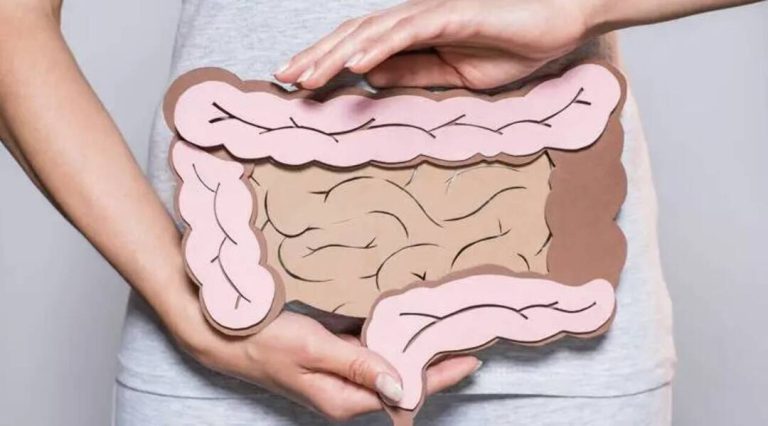
To understand the significance of this study, it’s essential to delve into the world of gut microbiome research. The gut microbiome is a diverse community of microorganisms that reside in the gastrointestinal tract, playing a vital role in digestion, immune function, and even brain health. An imbalance of the gut microbiome, also known as dysbiosis, has been linked to various diseases, including obesity, diabetes, and mental health disorders.
Previous studies have shown that the gut microbiome is influenced by a range of factors, including diet, lifestyle, and environmental exposures. However, the role of genetics in shaping the gut microbiome has been less clear. While it is known that an individual’s genetic makeup can influence their gut microbiome, the idea that the genes of those they live with can also have an impact is a new and exciting concept.
The study’s findings have significant implications for our understanding of the social dynamics of health and disease. If the genes of roommates can influence an individual’s gut microbiome, it suggests that living with others can have a profound impact on our health, even if we don’t share a biological relationship. This raises interesting questions about the role of social networks in shaping our health and wellbeing.
The study’s lead author noted that the findings highlight the importance of considering the social environment in which we live. “Our results suggest that the genetic effects of those around us can have a significant impact on our health, even if we don’t share a biological relationship,” they said. “This has important implications for our understanding of the social dynamics of health and disease, and highlights the need for further research into the complex interactions between genes, environment, and social networks.”
The discovery of the St6galnac1 gene’s link to Paraprevotella is also significant. Paraprevotella is a type of bacterium that feeds on sugars, and higher levels of this bacterium have been linked to various diseases, including obesity and metabolic disorders. The fact that the St6galnac1 gene is associated with higher levels of Paraprevotella suggests that genetic factors can influence the balance of the gut microbiome, with potential implications for health and disease.
While the study’s findings are based on research in rats, the implications for human health are significant. If the genes of roommates can influence the gut microbiome in humans, it could have important implications for public health policy and practice. For example, it may suggest that living arrangements, such as shared housing or family dynamics, could play a role in shaping our health and wellbeing.
In conclusion, the study’s findings highlight the complex and multifaceted nature of the gut microbiome. The discovery that the genes of roommates can influence an individual’s gut bacteria suggests that genetic effects can spread socially, indirectly impacting others’ health without the need for DNA exchange. As we continue to unravel the mysteries of the gut microbiome, it’s clear that the social dynamics of health and disease will play an increasingly important role in our understanding of human health and wellbeing.
News source: https://www.sciencedaily.com/releases/2025/12/251223043938.htm
About the Author