Genes of Roommates Can Influence Gut Microbiome: Study
The human gut microbiome is a complex ecosystem composed of trillions of microorganisms that play a crucial role in our overall health and wellbeing. While it is well-established that an individual’s diet, lifestyle, and environmental factors can shape their gut microbiome, a recent study suggests that there may be another, more surprising factor at play: the genes of those they live with.
In a groundbreaking study conducted on rats, researchers found that the genes of individual rats can influence the gut bacteria of their roommates, even if they do not share DNA. The study, which was designed to investigate the social transmission of genetic effects on the gut microbiome, found that three specific genetic regions were associated with changes in the gut bacteria of rats living together.
One of the genetic regions identified, known as St6galnac1, was found to be linked to higher levels of a sugar-feeding bacterium called Paraprevotella. This suggests that the genetic effects of one individual can spread socially, indirectly impacting the health of others without the need for DNA exchange. The implications of this study are significant, and could have important consequences for our understanding of the complex interactions between genetics, environment, and health.
The Gut Microbiome: A Complex Ecosystem
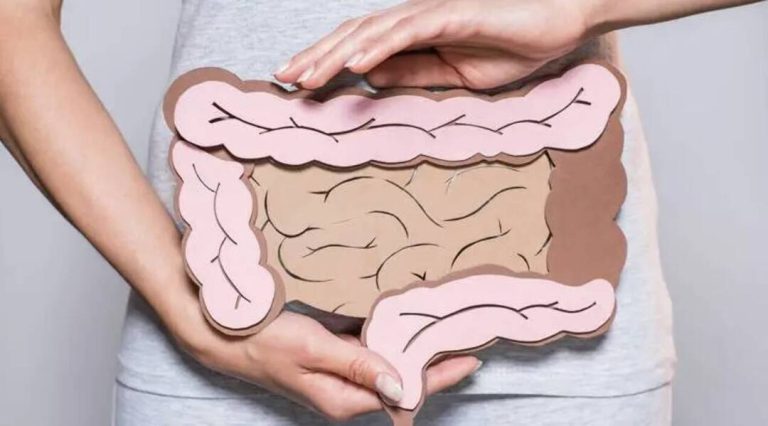
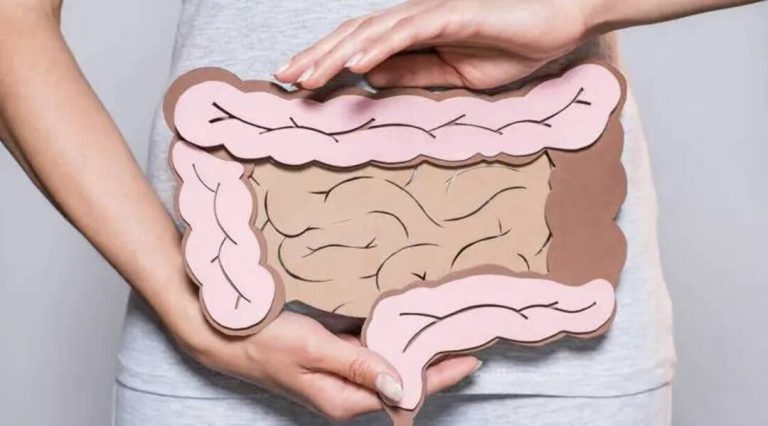
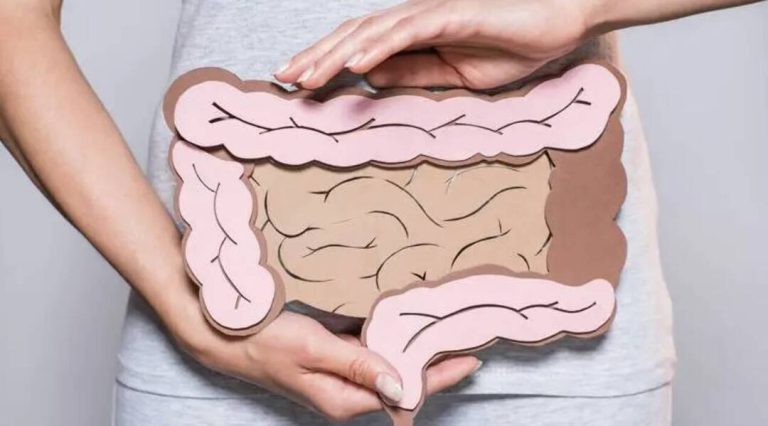
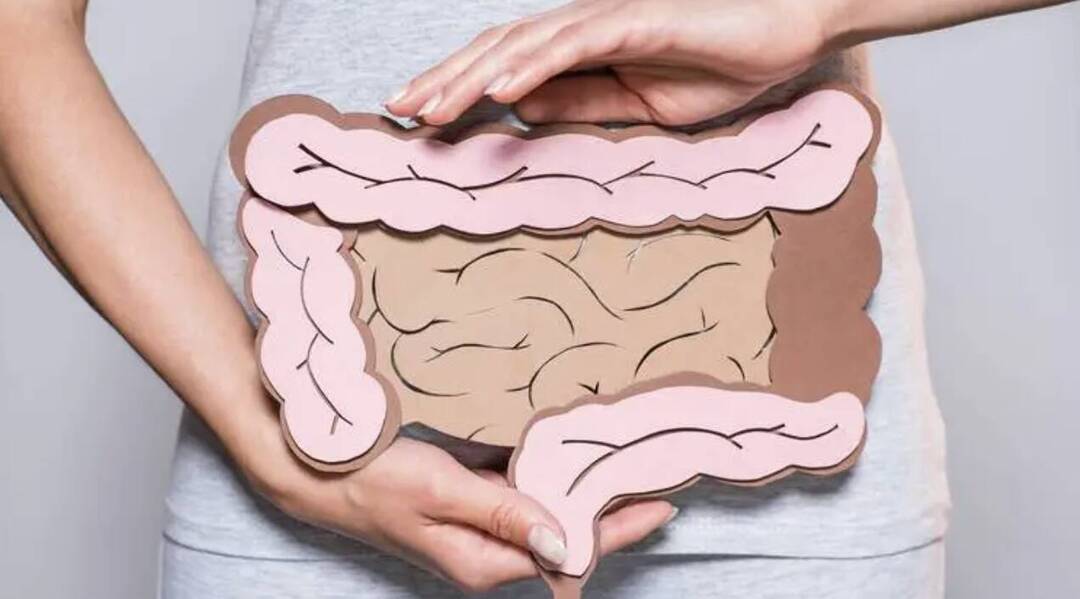
The gut microbiome is a delicate balance of microorganisms that live in the digestive tract and play a crucial role in our overall health. The gut microbiome is responsible for a wide range of functions, including the breakdown and absorption of nutrients, the production of certain vitamins, and the regulation of the immune system. An imbalance of the gut microbiome, also known as dysbiosis, has been linked to a range of diseases and disorders, including obesity, diabetes, and mental health conditions.
While the exact mechanisms by which the gut microbiome is shaped are not yet fully understood, it is clear that a combination of genetic, environmental, and lifestyle factors all play a role. For example, an individual’s diet can have a significant impact on the composition of their gut microbiome, with a diet high in fiber and fruits and vegetables promoting the growth of beneficial microorganisms. Similarly, exposure to antibiotics and other environmental stressors can disrupt the balance of the gut microbiome, leading to changes in the composition and function of the microorganisms that live there.
The Study: Genetic Effects on the Gut Microbiome
The study, which was conducted on a group of rats living in a controlled environment, was designed to investigate the social transmission of genetic effects on the gut microbiome. The researchers used a technique called quantitative trait locus (QTL) mapping to identify genetic regions associated with changes in the gut bacteria of the rats. QTL mapping is a statistical method that allows researchers to identify the genetic regions associated with a particular trait or characteristic.
The researchers found that three genetic regions were associated with changes in the gut bacteria of the rats, including the St6galnac1 gene. The St6galnac1 gene was found to be linked to higher levels of Paraprevotella, a sugar-feeding bacterium that is commonly found in the gut microbiome. The researchers also found that the genetic effects of one rat could influence the gut bacteria of its roommates, even if they did not share DNA.
Implications of the Study
The implications of this study are significant, and could have important consequences for our understanding of the complex interactions between genetics, environment, and health. The study suggests that the genetic effects of one individual can spread socially, indirectly impacting the health of others without the need for DNA exchange. This could have important implications for our understanding of the spread of disease, and could suggest new avenues for the prevention and treatment of diseases associated with the gut microbiome.
The study also highlights the importance of considering the social and environmental context in which an individual lives when trying to understand the complex interactions between genetics, environment, and health. While an individual’s genes can play a significant role in shaping their gut microbiome, it is clear that environmental and lifestyle factors also play a crucial role. By considering the social and environmental context in which an individual lives, researchers and healthcare professionals may be able to develop more effective strategies for promoting health and preventing disease.
Conclusion
In conclusion, the study suggests that the genes of roommates can influence the gut microbiome, even if they do not share DNA. The study found that three genetic regions, including the St6galnac1 gene, were associated with changes in the gut bacteria of rats living together. The implications of this study are significant, and could have important consequences for our understanding of the complex interactions between genetics, environment, and health. By considering the social and environmental context in which an individual lives, researchers and healthcare professionals may be able to develop more effective strategies for promoting health and preventing disease.
For more information on this study, please visit: https://www.sciencedaily.com/releases/2025/12/251223043938.htm
About the Author