Deep sea mining reduces ocean life by 37%: Study
The world’s oceans are facing an unprecedented threat from deep-sea mining, a recent study has revealed. The research, which focused on the impact of mining on ocean life, has found that deep-sea mining drastically harms ocean life, reducing their population significantly. The study’s findings are alarming, to say the least, and have sparked concerns among scientists and environmentalists about the long-term consequences of deep-sea mining.
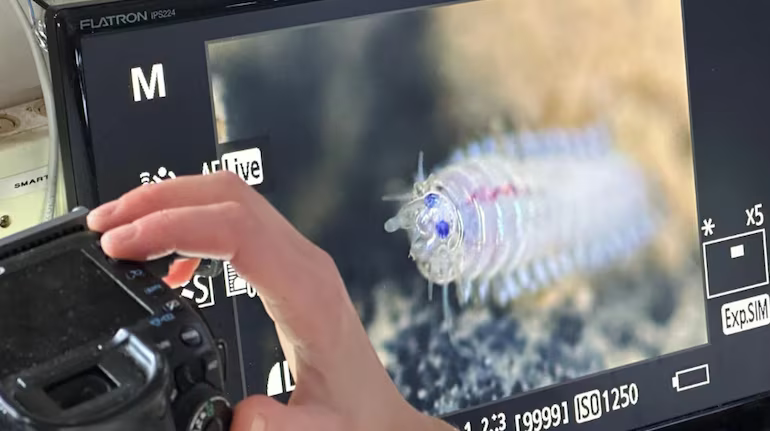
According to the study, mining machines scrape away the top five centimeters of fragile seabed sediment, where most macrofauna live. This has resulted in a significant reduction in animal numbers, with a staggering 37% decline in populated areas. Furthermore, the species diversity in disturbed areas has also decreased by 32%. The study’s findings are a clear indication that deep-sea mining is having a devastating impact on ocean life, and urgent action is needed to mitigate this damage.
The process of deep-sea mining involves the use of large machines that scrape away the seabed sediment to extract minerals such as copper, zinc, and gold. While the mining industry has argued that deep-sea mining is a necessary step to meet the growing demand for these minerals, the study’s findings suggest that the cost to the environment may be too high to bear. The destruction of habitats and the loss of biodiversity are just a few of the many concerns associated with deep-sea mining.
One of the most significant concerns is the impact of pollution from mining operations on ocean life. The study found that pollution from mining operations may gradually kill less resilient species, leading to a decline in species diversity and a loss of ecosystem function. The pollution can come in many forms, including the release of toxic chemicals and heavy metals into the water. These pollutants can have a devastating impact on ocean life, causing damage to habitats and disrupting the delicate balance of ecosystems.
The study’s findings are not just limited to the immediate area surrounding the mining operations. The pollution and destruction caused by deep-sea mining can have far-reaching consequences, affecting not just the local ecosystem but also the entire ocean. The ocean’s currents and circulation patterns can carry pollutants and sediment long distances, causing damage to ecosystems that may be thousands of kilometers away from the mining site.
The impact of deep-sea mining on ocean life is not just an environmental concern; it also has significant economic and social implications. Many communities around the world rely on the ocean for their livelihood, and the destruction of habitats and the loss of biodiversity can have a devastating impact on these communities. The decline of fisheries, for example, can lead to food insecurity and economic hardship for communities that rely on fishing as a source of income.
The study’s findings are a wake-up call for policymakers and the mining industry to take action to mitigate the damage caused by deep-sea mining. There are several steps that can be taken to reduce the impact of deep-sea mining on ocean life. One of the most effective ways is to establish marine protected areas, where mining and other human activities are prohibited. These areas can provide a safe haven for ocean life to thrive, and can help to maintain the health and resilience of ecosystems.
Another approach is to implement stricter regulations and guidelines for the mining industry. This can include requirements for environmental impact assessments, as well as rules governing the use of pollution-reducing technologies. The mining industry can also take steps to reduce its environmental footprint, such as using more efficient mining technologies and implementing sustainable practices.
In conclusion, the study’s findings are a stark reminder of the devastating impact of deep-sea mining on ocean life. The reduction in animal numbers and species diversity is a clear indication that urgent action is needed to mitigate this damage. The mining industry, policymakers, and environmentalists must work together to find solutions to this problem, and to ensure that the ocean’s ecosystems are protected for future generations.
The study’s findings are a call to action, and it is up to us to respond. We must take steps to reduce the impact of deep-sea mining on ocean life, and to protect the delicate balance of ecosystems. The future of our planet depends on it.
About the Author