Deep Sea Mining Reduces Ocean Life by 37%: Study
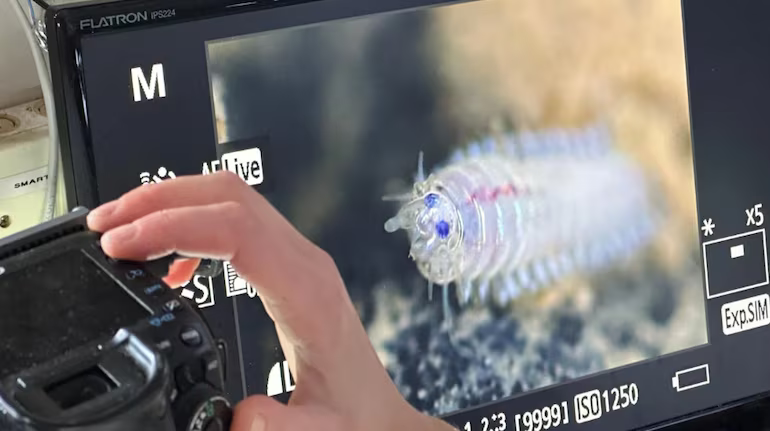
The world’s oceans are facing a myriad of threats, from climate change to overfishing, and now, deep-sea mining has been added to the list. A recent study has found that deep-sea mining drastically harms ocean life, reducing their population significantly. The study, which was conducted by a team of scientists, reveals that mining machines scrape away the top five centimeters of fragile seabed sediment, where most macrofauna live, resulting in a 37% reduction in animal numbers and a 32% reduction in species diversity in disturbed areas.
The deep sea is a vast and largely unexplored ecosystem, home to a diverse array of species, many of which are found nowhere else on Earth. The seabed is a complex environment, with unique features such as hydrothermal vents, coral reefs, and seamounts, which support a wide range of marine life. However, the deep sea is also a target for mining operations, with companies seeking to extract valuable minerals such as copper, zinc, and gold from the seabed.
The study found that the impact of deep-sea mining on ocean life is significant, with the removal of the top layer of sediment resulting in the loss of habitat for many species. The mining machines used in deep-sea mining are designed to scrape away the sediment, which is then lifted to the surface for processing. However, this process also results in the destruction of the habitat for many species, including corals, sponges, and other invertebrates.
The reduction in animal numbers and species diversity is not the only impact of deep-sea mining on ocean life. The study also found that pollution from mining operations may gradually kill less resilient species. The mining process results in the release of sediment and other pollutants into the water, which can have a negative impact on marine life. For example, the release of heavy metals such as copper and zinc can be toxic to many species, while the sediment can smother habitats and reduce the availability of food.
The impacts of deep-sea mining on ocean life are not limited to the immediate area surrounding the mining operation. The study found that the effects of mining can be felt far beyond the mining site, with the release of pollutants and sediment affecting marine life in other areas. This is a concern, as the deep sea is a connected ecosystem, and the impacts of mining in one area can have far-reaching consequences for the entire ecosystem.
The study’s findings are a warning to policymakers and the mining industry, highlighting the need for careful consideration and regulation of deep-sea mining operations. The deep sea is a unique and fragile ecosystem, and the impacts of mining can be long-lasting and devastating. As such, it is essential that mining operations are carefully planned and executed, with measures in place to minimize the impact on ocean life.
One of the key concerns with deep-sea mining is the lack of regulation and oversight. The deep sea is a global commons, and as such, it is not subject to the same level of regulation as other ecosystems. This has resulted in a lack of consistency in the regulation of deep-sea mining, with different countries and companies operating under different standards. This lack of regulation has led to concerns about the environmental impact of deep-sea mining, as well as the potential for companies to prioritize profits over environmental protection.
To address these concerns, there is a need for international cooperation and agreement on the regulation of deep-sea mining. This could involve the development of global standards for mining operations, as well as the establishment of protected areas to safeguard marine biodiversity. Additionally, there is a need for greater transparency and accountability in the mining industry, with companies required to disclose the environmental impacts of their operations and to take steps to mitigate these impacts.
In conclusion, the study’s findings are a warning to us all about the potential impacts of deep-sea mining on ocean life. The deep sea is a unique and fragile ecosystem, and the impacts of mining can be long-lasting and devastating. As such, it is essential that we take a cautious and considered approach to deep-sea mining, with a focus on minimizing the impact on ocean life and protecting the marine ecosystem.
The study’s findings are a call to action, highlighting the need for greater regulation and oversight of deep-sea mining operations. We must work together to protect the deep sea and its inhabitants, and to ensure that mining operations are carried out in a responsible and sustainable manner. The future of the deep sea and its inhabitants depends on it.
About the Author