Deep sea mining reduces ocean life by 37%: Study
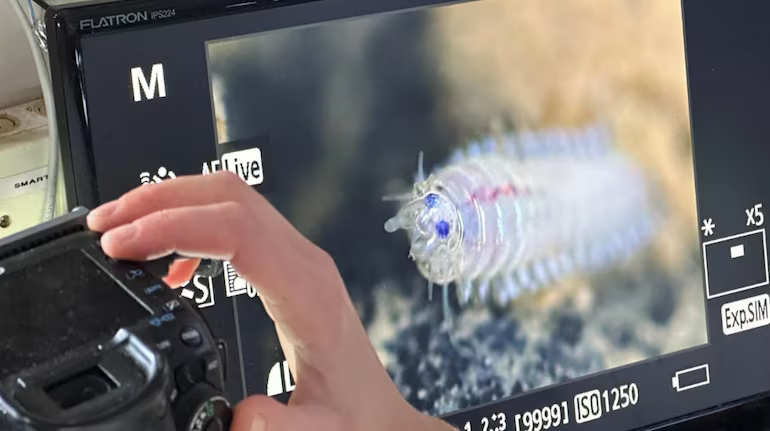
The world’s oceans are facing numerous threats, from climate change to pollution, and now, a new study has revealed that deep-sea mining is having a devastating impact on ocean life. According to the research, deep-sea mining is drastically harming ocean life, reducing their population significantly. The study found that mining machines scrape away the top five centimeters of fragile seabed sediment, where most macrofauna live, resulting in a significant decline in animal numbers and species diversity.
The effects of deep-sea mining on ocean life are alarming. The study revealed that in disturbed areas, animal numbers decreased by 37% and species diversity decreased by 32%. This is a significant decline, and it highlights the need for urgent action to protect the world’s oceans from the harmful effects of deep-sea mining. The study’s findings are a warning to governments, corporations, and individuals that the consequences of deep-sea mining are far-reaching and devastating.
Deep-sea mining involves the extraction of minerals such as copper, zinc, and gold from the ocean floor. This process involves the use of large machines that scrape away the top layer of sediment, causing damage to the delicate ecosystem that exists on the ocean floor. The sediment that is removed is then processed to extract the minerals, leaving behind a trail of destruction and debris.
The impact of deep-sea mining on ocean life is not limited to the immediate area where the mining takes place. Pollution from mining operations can spread far and wide, affecting a much larger area than the actual mining site. This pollution can take many forms, including the release of toxic chemicals and heavy metals into the water. These pollutants can have a devastating impact on marine life, causing harm to animals and plants that are not even in the immediate vicinity of the mining site.
One of the most significant concerns about deep-sea mining is the impact it has on species that are already vulnerable. Many species that live on the ocean floor are found nowhere else on Earth, and they are often highly specialized to their environment. When their habitat is destroyed or degraded, they have nowhere else to go, and they may face extinction. The study found that pollution from mining operations may gradually kill less resilient species, highlighting the need for urgent action to protect these vulnerable species.
The study’s findings are a wake-up call for governments and corporations that are involved in deep-sea mining. It highlights the need for stricter regulations and more effective enforcement to protect the world’s oceans from the harmful effects of deep-sea mining. It also highlights the need for more research into the impact of deep-sea mining on ocean life, so that we can better understand the consequences of this activity and take steps to mitigate its effects.
In addition to the environmental impacts, deep-sea mining also raises ethical concerns. The ocean floor is a common heritage of humanity, and it is not owned by any one country or corporation. The exploitation of the ocean floor for minerals raises questions about who has the right to extract these resources and how the benefits of extraction should be shared.
The study’s findings are a reminder that the world’s oceans are a precious resource that needs to be protected. The ocean provides us with food, regulates the climate, and supports a vast array of marine life. It is our responsibility to protect the ocean and all its inhabitants from the harmful effects of human activities, including deep-sea mining.
In conclusion, the study’s findings are a warning to us all about the devastating impact of deep-sea mining on ocean life. The decline in animal numbers and species diversity is a wake-up call for governments, corporations, and individuals to take action to protect the world’s oceans from the harmful effects of deep-sea mining. We need to work together to establish stricter regulations, to enforce these regulations, and to support more research into the impact of deep-sea mining on ocean life.
About the Author