Deep Sea Mining Reduces Ocean Life by 37%: Study
The world’s oceans are facing an unprecedented threat from deep-sea mining, a practice that involves extracting minerals and metals from the seabed. According to a recent study, deep-sea mining can have devastating effects on ocean life, reducing the population of macrofauna by 37% and species diversity by 32% in disturbed areas. The study’s findings have sounded the alarm, warning of the potential long-term consequences of this destructive practice.
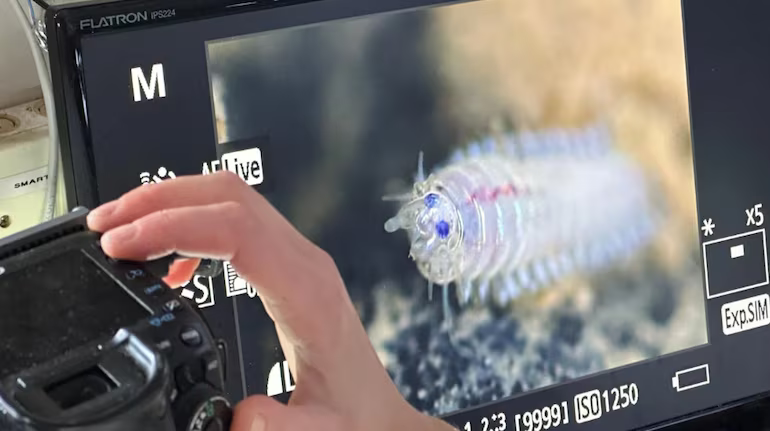
Deep-sea mining involves the use of massive machines that scrape away the top five centimeters of fragile seabed sediment, where most macrofauna live. This sediment is home to a diverse range of species, including corals, sponges, and other invertebrates that play a crucial role in maintaining the health of the ocean ecosystem. When these machines are deployed, they can cause irreparable damage to the seabed, destroying habitats and disrupting the delicate balance of the ecosystem.
The study, which was conducted by a team of scientists, found that the impact of deep-sea mining on ocean life is immediate and severe. In areas where mining has taken place, the population of macrofauna has been reduced by 37%, while species diversity has declined by 32%. This is a staggering loss of biodiversity, and one that could have far-reaching consequences for the health of the ocean.
One of the most significant concerns surrounding deep-sea mining is the potential for pollution. Mining operations can release toxic chemicals and heavy metals into the water, which can gradually kill less resilient species. This pollution can also have a cumulative effect, building up over time and causing long-term damage to the ecosystem. The study found that pollution from mining operations can persist for years, even decades, after the mining has stopped.
The impact of deep-sea mining on ocean life is not limited to the immediate area where the mining takes place. The sediment that is disturbed by the mining machines can be carried away by currents, causing damage to other areas of the ocean. This can lead to a cascade of effects, impacting not just the local ecosystem but also the wider ocean environment.
The study’s findings have significant implications for the future of deep-sea mining. As the demand for minerals and metals continues to grow, there is increasing pressure to exploit the ocean’s resources. However, the study suggests that this must be done in a responsible and sustainable way, with careful consideration for the potential impacts on ocean life.
There are several steps that can be taken to reduce the impact of deep-sea mining on ocean life. One of the most effective ways is to establish marine protected areas, where mining is prohibited or strictly regulated. This can help to preserve the biodiversity of the ocean and protect fragile ecosystems from damage.
Another approach is to develop more sustainable mining practices, such as using smaller, more targeted machines that minimize the amount of sediment that is disturbed. This can help to reduce the impact of mining on the seabed and prevent the release of toxic chemicals and heavy metals into the water.
Finally, there is a need for greater transparency and regulation of the deep-sea mining industry. This includes ensuring that mining operations are subject to rigorous environmental impact assessments and that companies are held accountable for any damage that they cause.
In conclusion, the study’s findings are a stark warning about the dangers of deep-sea mining. The practice can have devastating effects on ocean life, reducing the population of macrofauna and species diversity in disturbed areas. It is essential that we take a responsible and sustainable approach to exploiting the ocean’s resources, one that prioritizes the protection of the marine environment and the preservation of biodiversity.
As the world continues to grapple with the challenges of climate change, overfishing, and pollution, it is more important than ever that we take action to protect the ocean and its inhabitants. The study’s findings are a call to action, highlighting the need for greater awareness and understanding of the impacts of human activities on the marine environment.
About the Author