Deep sea mining reduces ocean life by 37%: Study
The world’s oceans are facing numerous threats, from climate change to pollution, and now, a new study has revealed that deep-sea mining is having a devastating impact on ocean life. Scientists have warned that this practice is drastically harming the delicate ecosystem of the deep sea, reducing the population of marine animals by a staggering 37%. The study’s findings are a stark reminder of the need to protect our oceans and the importance of responsible and sustainable practices.
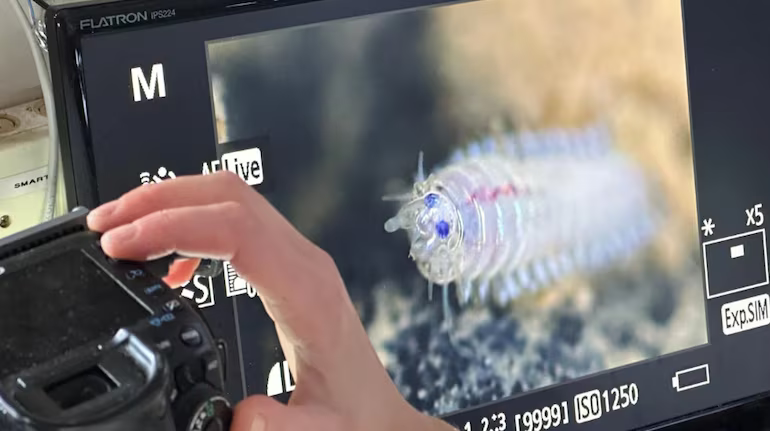
Deep-sea mining involves the extraction of minerals and metals from the ocean floor, often using large machines that scrape away the top layers of sediment. This process can be particularly damaging to the macrofauna, which are the larger animals that live in the sediment, such as sea cucumbers, starfish, and worms. These creatures play a vital role in the ecosystem, helping to break down organic matter and recycle nutrients.
The study, which was conducted by a team of scientists, found that mining machines can reduce animal numbers by 37% and species diversity by 32% in disturbed areas. This is because the machines scrape away the top five centimeters of fragile seabed sediment, where most macrofauna live. The removal of this sediment can have a lasting impact on the ecosystem, making it difficult for the animals to recover.
One of the main concerns with deep-sea mining is the potential for pollution. The mining process can release toxic chemicals and heavy metals into the water, which can have a devastating impact on marine life. These pollutants can accumulate in the food chain, causing harm to animals that ingest them. The study found that pollution from mining operations may gradually kill less resilient species, further reducing the biodiversity of the ecosystem.
The impact of deep-sea mining on ocean life is not limited to the immediate area surrounding the mining operation. The sediment that is disturbed by the mining machines can be carried away by currents, affecting other areas of the ocean. This can lead to a cascade of effects, impacting the entire ecosystem.
The study’s findings are a wake-up call for the need to regulate deep-sea mining. The practice is still relatively new, and there is a lack of understanding about its long-term impacts on the ocean ecosystem. However, it is clear that the current methods of deep-sea mining are unsustainable and pose a significant threat to marine life.
There are several steps that can be taken to reduce the impact of deep-sea mining on ocean life. One approach is to implement stricter regulations on the practice, including requirements for environmental impact assessments and monitoring. This can help to ensure that mining operations are carried out in a responsible and sustainable manner.
Another approach is to develop new technologies that can reduce the impact of deep-sea mining. For example, some companies are exploring the use of underwater drones to extract minerals, which can be less damaging to the seafloor than traditional mining machines.
Ultimately, the key to protecting ocean life is to adopt a more sustainable approach to deep-sea mining. This requires a commitment to responsible practices, including the use of environmentally friendly technologies and the implementation of robust regulations. By working together, we can help to mitigate the impacts of deep-sea mining and preserve the delicate ecosystem of the ocean.
In conclusion, the study’s findings are a stark reminder of the need to protect our oceans from the devastating impacts of deep-sea mining. The practice is reducing ocean life by 37%, and it is essential that we take action to mitigate its effects. By adopting sustainable practices and implementing robust regulations, we can help to preserve the delicate ecosystem of the ocean and ensure the long-term health of our planet.
About the Author