Deep sea mining reduces ocean life by 37%: Study
The world’s oceans are facing a multitude of threats, from climate change to overfishing, and now, a new study has revealed that deep-sea mining is having a devastating impact on ocean life. Scientists have warned that this practice is drastically harming the delicate ecosystems of the deep sea, reducing the population of marine animals by a staggering 37%. The study’s findings are a stark reminder of the need for sustainable and responsible practices when it comes to exploring and exploiting the world’s oceans.
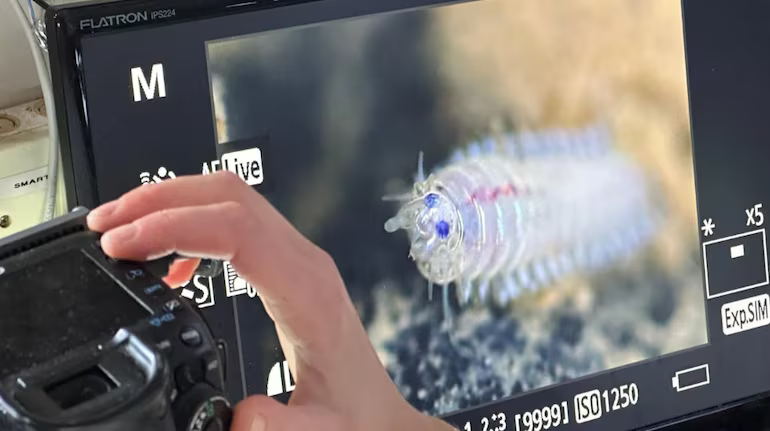
Deep-sea mining involves the use of large machines that scrape away the top five centimeters of fragile seabed sediment, where most macrofauna live. This process not only destroys the habitats of these animals but also releases toxic chemicals and heavy metals into the water, further threatening the health and diversity of marine life. The study found that in areas where deep-sea mining has taken place, animal numbers have decreased by 37% and species diversity has declined by 32%. These numbers are alarming and highlight the urgent need for action to protect the world’s oceans.
The impact of deep-sea mining on ocean life is not limited to the immediate area where the mining takes place. Pollution from mining operations can spread far and wide, affecting marine ecosystems and potentially killing less resilient species. The study’s authors warn that the long-term effects of deep-sea mining on ocean life could be catastrophic, leading to the loss of entire species and ecosystems. This is a alarming prospect, given the importance of the oceans to the health of our planet.
The deep sea is a unique and largely unexplored environment, home to a vast array of marine life that is found nowhere else on Earth. The deep sea is characterized by extreme conditions, including near-freezing temperatures, crushing pressure, and a lack of light. Despite these challenges, the deep sea is teeming with life, from giant squid and deep-sea fish to corals and sponges. However, this delicate ecosystem is under threat from human activities, including deep-sea mining.
Deep-sea mining is a relatively new industry, but it is growing rapidly as companies seek to exploit the rich mineral resources of the deep sea. The International Seabed Authority (ISA) has issued licenses for deep-sea mining in several areas around the world, including the Pacific and Indian Oceans. However, the ISA has also acknowledged the potential risks of deep-sea mining and has called for further research into the impacts of this practice on ocean life.
The study’s findings are a wake-up call for governments, companies, and individuals to take action to protect the world’s oceans. Deep-sea mining is just one of many threats facing the oceans, and it is essential that we adopt a comprehensive and sustainable approach to managing the world’s marine resources. This includes implementing strict regulations on deep-sea mining, as well as reducing pollution, protecting marine habitats, and promoting sustainable fishing practices.
The consequences of inaction will be severe. If we fail to protect the oceans, we risk losing the many benefits that they provide, including food, livelihoods, and recreation. The oceans also play a critical role in regulating the climate, and their loss could have catastrophic consequences for the health of our planet. It is essential that we take a long-term view and prioritize the health and sustainability of the oceans, rather than pursuing short-term gains through practices like deep-sea mining.
In conclusion, the study’s findings are a stark reminder of the need for sustainable and responsible practices when it comes to exploring and exploiting the world’s oceans. Deep-sea mining is having a devastating impact on ocean life, reducing animal numbers by 37% and species diversity by 32% in disturbed areas. It is essential that we take action to protect the oceans, including implementing strict regulations on deep-sea mining, reducing pollution, protecting marine habitats, and promoting sustainable fishing practices. The future of the oceans and the health of our planet depend on it.
About the Author