Deep sea mining reduces ocean life by 37%: Study
The world’s oceans are facing a plethora of threats, from climate change and pollution to overfishing and habitat destruction. Now, a new study has revealed that deep-sea mining, a relatively new and rapidly growing industry, is having a devastating impact on ocean life. According to the research, deep-sea mining is reducing the population of ocean animals by a staggering 37% and species diversity by 32% in disturbed areas.
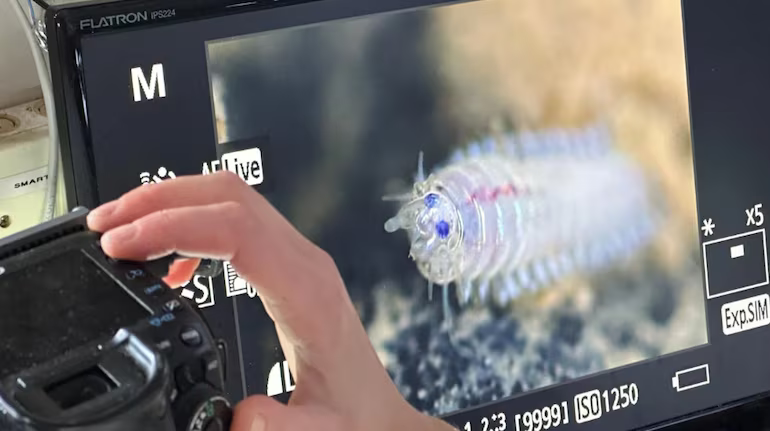
The study, which was conducted by a team of scientists, found that mining machines used in deep-sea mining operations scrape away the top five centimeters of fragile seabed sediment, where most macrofauna live. This destruction of habitat is having a catastrophic impact on the delicate ecosystem of the deep sea, with many species struggling to survive in the face of such destruction.
Deep-sea mining involves the extraction of minerals such as copper, zinc, and gold from the ocean floor. The process typically involves the use of large machines that scrape away the sediment and rocks on the seafloor, often at depths of thousands of meters. While the industry is still in its infancy, it is growing rapidly, with many countries and companies investing heavily in deep-sea mining operations.
However, the study’s findings suggest that the environmental costs of deep-sea mining far outweigh any potential economic benefits. The destruction of habitat caused by mining machines is not only reducing the population of ocean animals but also altering the very fabric of the ecosystem. Many species that are found in the deep sea are unique to these environments and are often found nowhere else on Earth.
The study’s authors warn that the impact of deep-sea mining on ocean life could be long-lasting and potentially irreversible. They note that pollution from mining operations may gradually kill less resilient species, leading to a decline in biodiversity and ecosystem health. This, in turn, could have significant consequences for the entire ocean ecosystem, including the many species that depend on the deep sea for food and habitat.
The study’s findings are particularly concerning given the current state of the world’s oceans. The deep sea is one of the most poorly understood and least protected environments on the planet, with many areas still unexplored and unmapped. The deep sea is also home to many unique and fragile ecosystems, including coral reefs, hydrothermal vents, and seamounts.
The impact of deep-sea mining on these ecosystems could be particularly devastating, as many of these areas are already under threat from climate change, pollution, and other human activities. The study’s authors note that the deep sea is a critical component of the global ocean ecosystem, providing many important ecosystem services, including the regulation of the climate, the provision of food and habitat for many species, and the support of human livelihoods.
In light of these findings, the study’s authors are calling for greater regulation and oversight of the deep-sea mining industry. They note that the industry is currently subject to minimal regulation and monitoring, with many operations taking place in international waters, outside of national jurisdictions.
The study’s authors are also calling for greater investment in research and monitoring of the deep-sea ecosystem, in order to better understand the impacts of deep-sea mining and other human activities on the ocean. They note that the deep sea is a complex and poorly understood environment, and that much more research is needed to fully understand the impacts of human activities on this ecosystem.
In conclusion, the study’s findings are a stark warning about the dangers of deep-sea mining and the need for greater regulation and oversight of this industry. The destruction of habitat and loss of biodiversity caused by deep-sea mining are having a significant impact on the ocean ecosystem, and could have long-lasting and potentially irreversible consequences. As the world continues to grapple with the many challenges facing the ocean, it is imperative that we take action to protect this critical ecosystem and ensure the long-term health and sustainability of the ocean.
About the Author