Deep sea mining reduces ocean life by 37%: Study
The world’s oceans are facing a multitude of threats, from climate change to overfishing, and now, a new study has revealed that deep-sea mining is having a devastating impact on ocean life. Scientists have warned that this practice is drastically harming the delicate ecosystems of the deep sea, reducing the population of marine animals by a staggering 37%. The study’s findings are a stark reminder of the need to protect our oceans and the importance of responsible and sustainable practices.
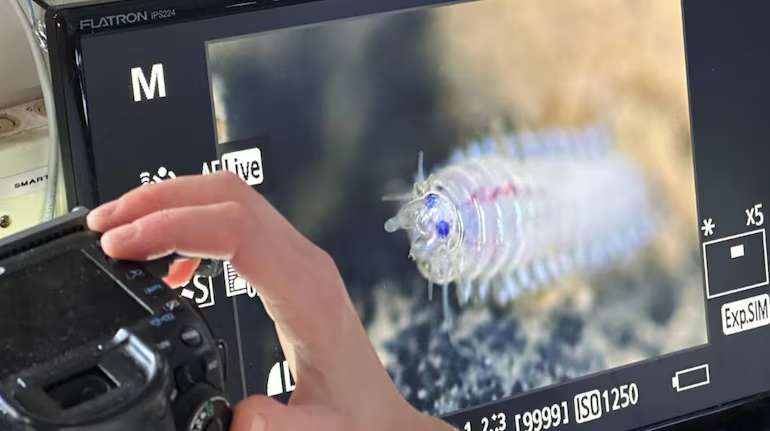
Deep-sea mining involves the extraction of minerals and metals from the ocean floor, often using large machines that scrape away the top layers of sediment. This process can be particularly damaging to the macrofauna, the larger animals that live in the sediment, such as sea cucumbers, sea stars, and corals. These creatures play a vital role in the ecosystem, helping to break down organic matter and recycle nutrients. However, when the sediment is disturbed, these animals are often killed or displaced, leading to a significant decline in their numbers.
The study, which was conducted in the Pacific Ocean, found that mining machines were responsible for reducing animal numbers by 37% and species diversity by 32% in disturbed areas. This is a alarming statistic, as it suggests that deep-sea mining is having a profound impact on the health and biodiversity of the ocean ecosystem. The researchers also noted that the effects of mining were not limited to the immediate area, but could also have long-term consequences for the entire ecosystem.
One of the main concerns with deep-sea mining is the lack of regulation and oversight. Unlike other forms of mining, such as coal or gold mining, deep-sea mining is a relatively new and untested industry. As a result, there are few rules in place to govern the practice, and many mining operations are able to proceed with little scrutiny or accountability. This lack of regulation has led to a Wild West mentality, with mining companies often prioritizing profits over environmental concerns.
The pollution generated by mining operations is another major concern. The machines used in deep-sea mining can stir up sediment and release toxic chemicals, such as heavy metals, into the water. These pollutants can have a devastating impact on marine life, causing damage to habitats and killing off entire species. The study found that pollution from mining operations may gradually kill less resilient species, leading to a decline in biodiversity and ecosystem health.
The impact of deep-sea mining on ocean life is not limited to the animals that live in the sediment. The practice can also have far-reaching consequences for the entire food chain. Many commercial fish species, such as cod and haddock, rely on the deep sea for food and shelter. When the ecosystem is disrupted, these species can suffer, leading to declines in fish stocks and the livelihoods of people who depend on them.
So, what can be done to mitigate the effects of deep-sea mining on ocean life? Firstly, there needs to be greater regulation and oversight of the industry. This could involve the establishment of marine protected areas, where mining is prohibited, and the implementation of stricter environmental standards for mining operations. There also needs to be more research into the impacts of deep-sea mining, so that we can better understand the effects of this practice on the ocean ecosystem.
In addition, there are alternative ways to extract minerals and metals that do not involve deep-sea mining. For example, recycling and reusing existing materials can help to reduce the demand for new minerals and metals. There are also new technologies being developed that can extract minerals and metals from waste materials, such as electronic waste.
In conclusion, the study’s findings are a stark reminder of the need to protect our oceans and the importance of responsible and sustainable practices. Deep-sea mining is a practice that has the potential to cause significant harm to the ocean ecosystem, and it is our responsibility to ensure that it is regulated and managed in a way that minimizes its impacts. By working together, we can help to protect the delicate balance of the ocean ecosystem and preserve the beauty and diversity of marine life for future generations.
About the Author