China accelerates vehicle to 700 km/h in 2 secs in magnetic levitation test
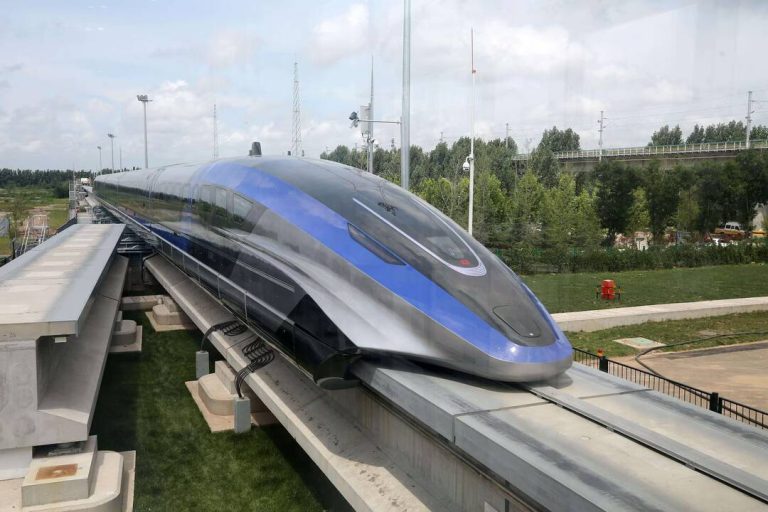
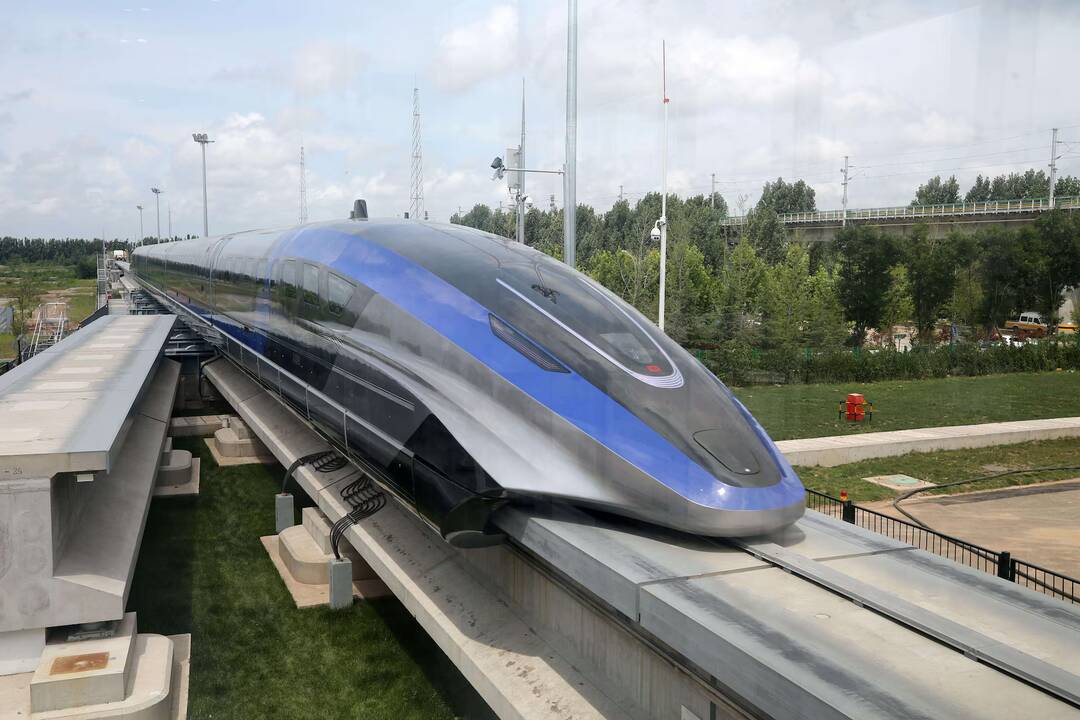
The world of transportation is on the cusp of a revolution, with China leading the charge. In a groundbreaking experiment, researchers in China have successfully accelerated a tonne-class vehicle to a staggering speed of 700 km/h within a mere two seconds. This feat was achieved using a magnetic levitation (maglev) test line, which has propelled China to the forefront of high-speed transportation technology. According to state broadcaster China Central Television, this achievement makes China’s maglev system the fastest superconductive electric maglev system in the world.
The test was conducted by China’s National University of Defense Technology, which utilized a 1,310-foot track to push the vehicle to unprecedented speeds. The results of this experiment have significant implications for the future of transportation, with potential applications in various fields, including commercial transportation, military logistics, and even space exploration. The use of maglev technology allows for frictionless movement, reducing wear and tear on the vehicle and the track, while also minimizing energy consumption.
Magnetic levitation technology works by using electromagnets to lift and propel the vehicle, eliminating the need for traditional wheels and axles. This allows for smoother, quieter, and more efficient travel, making it an attractive option for high-speed transportation. The superconductive electric maglev system used in this experiment takes this technology to the next level, using superconducting materials to reduce energy loss and increase efficiency.
The potential applications of this technology are vast and varied. In the field of commercial transportation, maglev systems could revolutionize the way we travel, providing fast, efficient, and environmentally friendly transportation options. For example, a maglev line could be used to connect major cities, reducing travel times and increasing productivity. In the military, maglev technology could be used to transport troops and equipment quickly and efficiently, providing a strategic advantage on the battlefield.
In addition to its practical applications, this experiment also marks a significant milestone in the development of maglev technology. The ability to accelerate a vehicle to 700 km/h in just two seconds is a testament to the power and potential of this technology. As researchers continue to push the boundaries of what is possible with maglev, we can expect to see even more impressive achievements in the future.
The success of this experiment is also a reflection of China’s commitment to innovation and technological advancement. The country has been investing heavily in research and development, with a focus on emerging technologies like maglev, artificial intelligence, and renewable energy. This investment is paying off, with China increasingly becoming a leader in the development of cutting-edge technologies.
As the world watches with interest, China continues to push the boundaries of what is possible with maglev technology. With its impressive achievement of accelerating a vehicle to 700 km/h in just two seconds, China has cemented its position as a leader in the field of high-speed transportation. As researchers and engineers continue to develop and refine this technology, we can expect to see even more exciting advancements in the years to come.
In conclusion, the successful acceleration of a vehicle to 700 km/h in just two seconds is a groundbreaking achievement that marks a significant milestone in the development of maglev technology. With its potential applications in commercial transportation, military logistics, and beyond, this technology has the potential to revolutionize the way we travel and transport goods. As China continues to lead the charge in the development of maglev technology, the world waits with bated breath to see what the future holds.
News Source: https://www.newsbytesapp.com/news/science/china-s-high-speed-maglev-reaches-700-km-h-in-2-seconds/story
About the Author