China accelerates vehicle to 700 km/h in 2 secs in magnetic levitation test
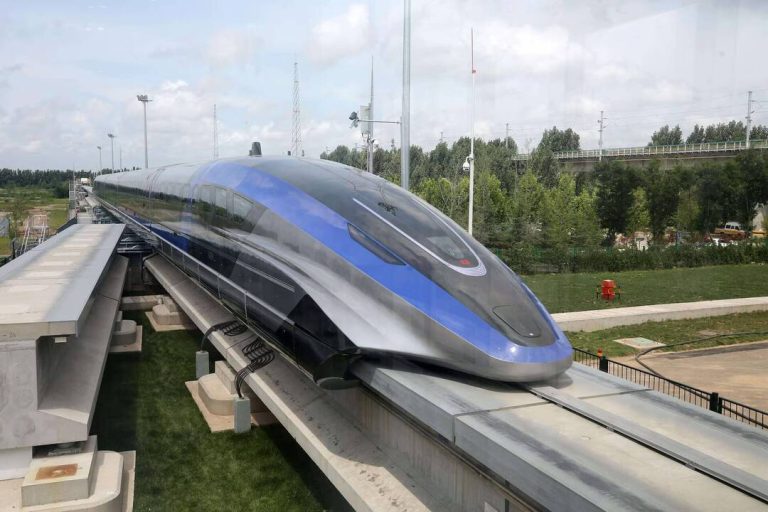
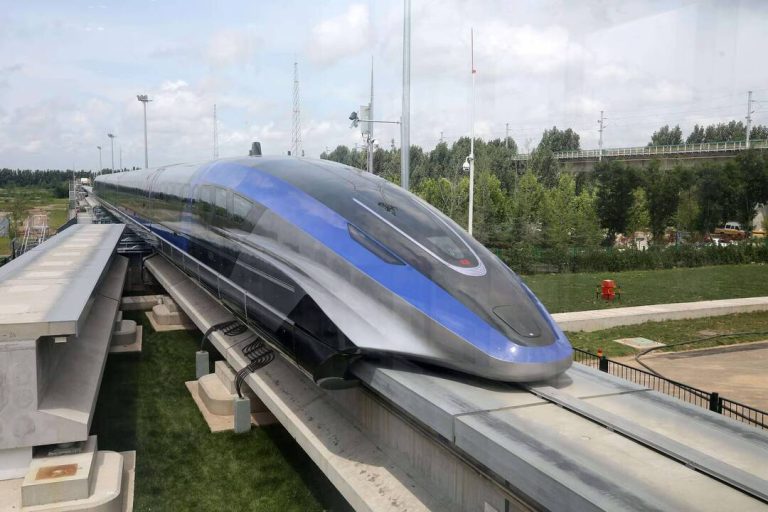
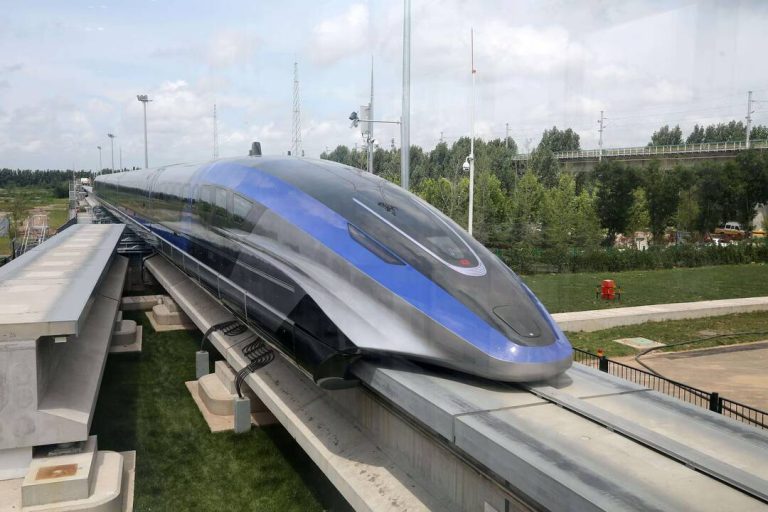
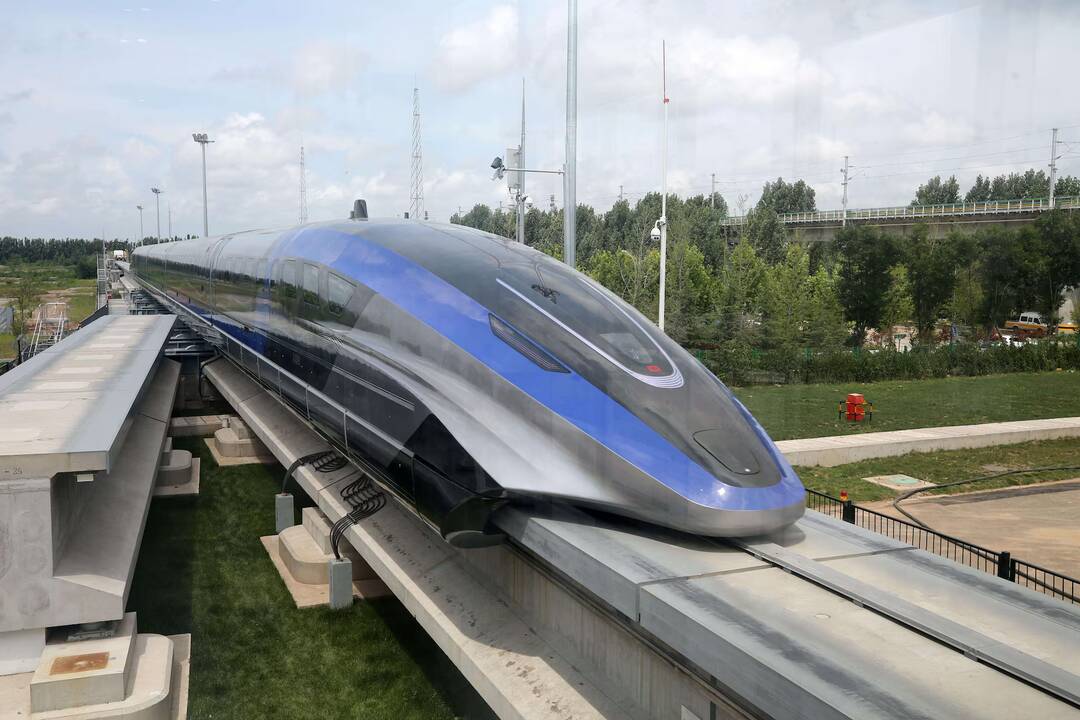
In a groundbreaking achievement, researchers in China have successfully accelerated a tonne-class vehicle to a speed of 700 km/h within a mere two seconds on a magnetic levitation (maglev) test line. This remarkable feat makes it the fastest superconductive electric maglev system in the world, as reported by state broadcaster China Central Television. The test was conducted by China’s National University of Defense Technology using a 1,310-foot track, showcasing the country’s advancements in high-speed transportation technology.
The magnetic levitation technology used in this test is a cutting-edge system that uses magnetic forces to lift and propel the vehicle at incredible speeds. Unlike traditional rail systems, maglev trains do not make contact with the track, reducing friction and allowing for smoother and more efficient travel. The superconductive electric maglev system used in this test is particularly notable, as it uses advanced materials and technologies to achieve unprecedented speeds.
The test, which was conducted on a specially designed track, demonstrated the capabilities of China’s high-speed maglev system. The vehicle, which weighed around a tonne, was accelerated from 0 to 700 km/h in just two seconds, showcasing the immense power and speed of the system. This achievement is not only impressive but also has significant implications for the future of transportation.
The development of high-speed maglev systems has the potential to revolutionize the way we travel, making it faster, more efficient, and more sustainable. With the ability to reach speeds of over 700 km/h, maglev trains could significantly reduce travel times between cities, making them an attractive option for commuters and travelers. Additionally, the reduced friction and energy consumption of maglev systems make them a more environmentally friendly option compared to traditional rail systems.
China has been at the forefront of maglev technology, with several high-speed maglev lines already in operation. The country’s commitment to developing and implementing this technology is evident in its significant investments in research and development. The National University of Defense Technology, which conducted the recent test, is a leading institution in China’s maglev research and development efforts.
The success of this test is a significant milestone in the development of high-speed maglev systems, and it demonstrates China’s capabilities in this field. The country’s advancements in maglev technology have the potential to transform the transportation sector, not only in China but also globally. As the world becomes increasingly interconnected, the need for efficient and sustainable transportation systems will continue to grow, and China’s high-speed maglev system is well-positioned to meet this demand.
The implications of this achievement extend beyond the transportation sector, with potential applications in other fields such as logistics and commerce. The ability to transport goods and people at high speeds could significantly reduce delivery times, increase efficiency, and boost economic growth. Furthermore, the development of high-speed maglev systems could also lead to the creation of new industries and job opportunities, driving innovation and economic development.
In conclusion, the recent test of China’s high-speed maglev system is a remarkable achievement that showcases the country’s advancements in magnetic levitation technology. The ability to accelerate a vehicle to 700 km/h in just two seconds is a testament to the power and efficiency of the system, and it has significant implications for the future of transportation. As China continues to develop and implement this technology, it is likely to have a profound impact on the world, transforming the way we travel and conduct business.
The success of this test is a significant step forward in the development of high-speed maglev systems, and it demonstrates China’s commitment to innovation and technological advancement. As the world watches with interest, it is clear that China’s high-speed maglev system is set to play a major role in shaping the future of transportation.
About the Author