China Accelerates Vehicle to 700 km/h in 2 Secs in Magnetic Levitation Test
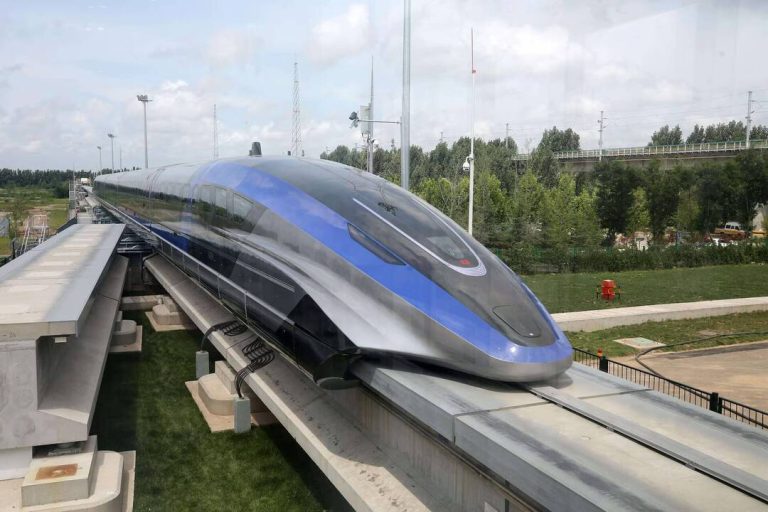
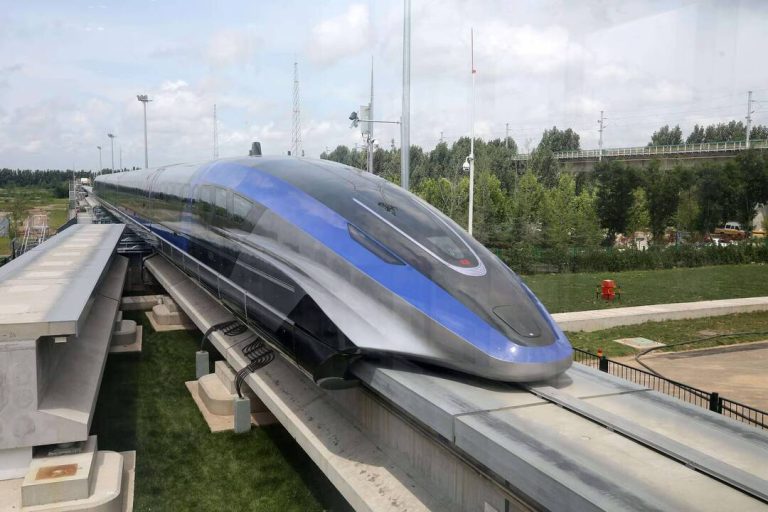
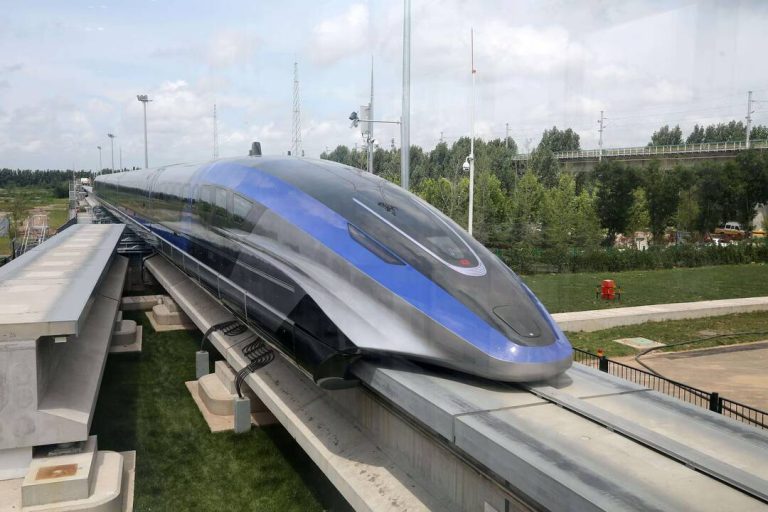
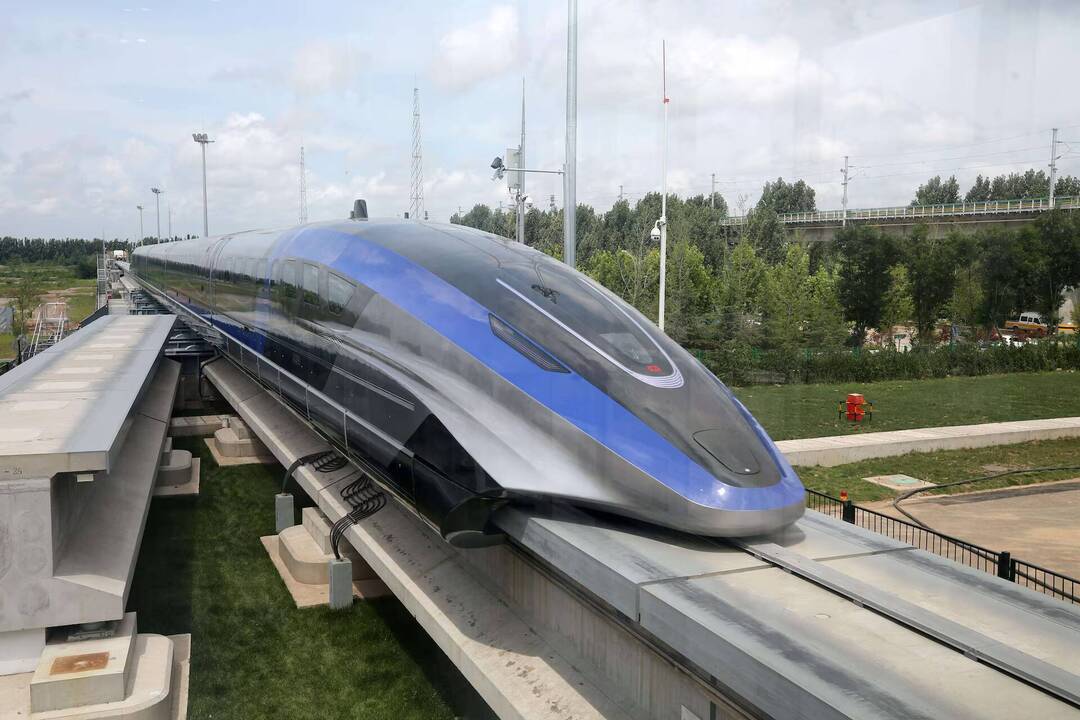
In a groundbreaking achievement, researchers in China have successfully accelerated a tonne-class vehicle to a speed of 700 km/h within a mere two seconds on a magnetic levitation (maglev) test line. This remarkable feat makes it the fastest superconductive electric maglev system in the world, according to state broadcaster China Central Television. The test was conducted by China’s National University of Defense Technology using a 1,310-foot track, marking a significant milestone in the development of high-speed transportation technology.
The magnetic levitation technology used in this test allows the vehicle to float above the track, eliminating the need for wheels and reducing friction. This enables the vehicle to reach incredibly high speeds, making it an attractive option for future transportation systems. The use of superconductive materials in the maglev system also allows for more efficient energy transfer, reducing energy consumption and increasing the overall efficiency of the system.
The test, which was conducted on a specially designed track, saw the vehicle accelerate from 0 to 700 km/h in just two seconds. To put this in perspective, it would take a standard car around 30 seconds to reach the same speed, assuming it could even reach such a high velocity. The rapid acceleration achieved in this test is a testament to the power and efficiency of the maglev system, and it has significant implications for the future of transportation.
One of the most significant advantages of the maglev system is its potential to revolutionize land transportation. With the ability to reach speeds of over 700 km/h, the maglev system could potentially reduce travel times between cities to just a fraction of what they are today. For example, a trip from Beijing to Shanghai, which currently takes around 4-5 hours by high-speed rail, could be reduced to just 30 minutes or less using the maglev system.
The development of the maglev system also has significant economic implications. By reducing travel times and increasing the efficiency of transportation, the maglev system could help to boost economic growth and development. It could also help to reduce the environmental impact of transportation, as it would reduce the need for fossil fuels and lower emissions.
The success of the maglev test is also a significant achievement for China, which has been investing heavily in the development of high-speed transportation technology. The country has already developed a number of high-speed rail lines, and the maglev system is seen as the next step in the development of its transportation infrastructure.
The National University of Defense Technology, which conducted the test, is a leading research institution in China, and its work on the maglev system is part of a broader effort to develop advanced transportation technologies. The university has been working on the maglev system for several years, and the successful test is a significant milestone in its development.
The use of superconductive materials in the maglev system is also a significant innovation. Superconductors are materials that can conduct electricity with zero resistance, making them ideal for use in high-speed transportation systems. The use of superconductors in the maglev system allows for more efficient energy transfer, reducing energy consumption and increasing the overall efficiency of the system.
In conclusion, the successful test of the maglev system in China is a significant achievement that has the potential to revolutionize transportation. The ability to reach speeds of over 700 km/h in just two seconds is a testament to the power and efficiency of the maglev system, and it has significant implications for the future of transportation. With its potential to reduce travel times, increase efficiency, and reduce the environmental impact of transportation, the maglev system is an exciting development that could have a major impact on the world.
As researchers continue to develop and refine the maglev system, it will be exciting to see where this technology takes us. With its potential to transform the way we travel, the maglev system is an innovation that could have a major impact on the world.
News Source: https://www.newsbytesapp.com/news/science/china-s-high-speed-maglev-reaches-700-km-h-in-2-seconds/story
About the Author