China Accelerates Vehicle to 700 km/h in 2 Secs in Magnetic Levitation Test
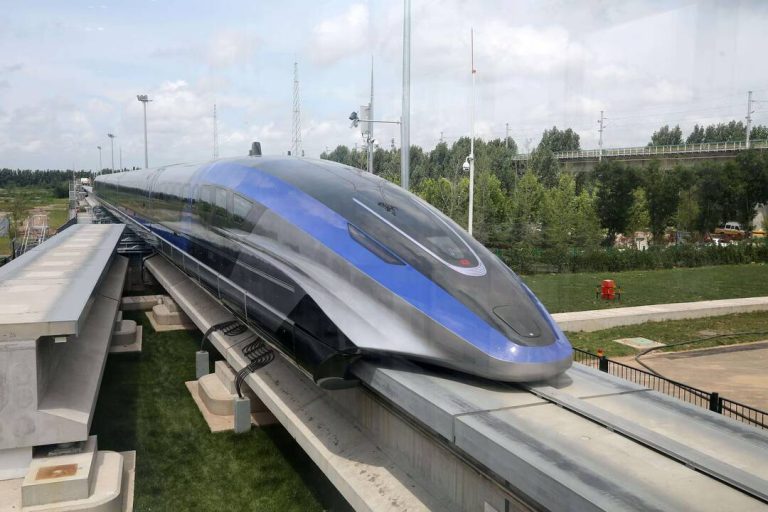
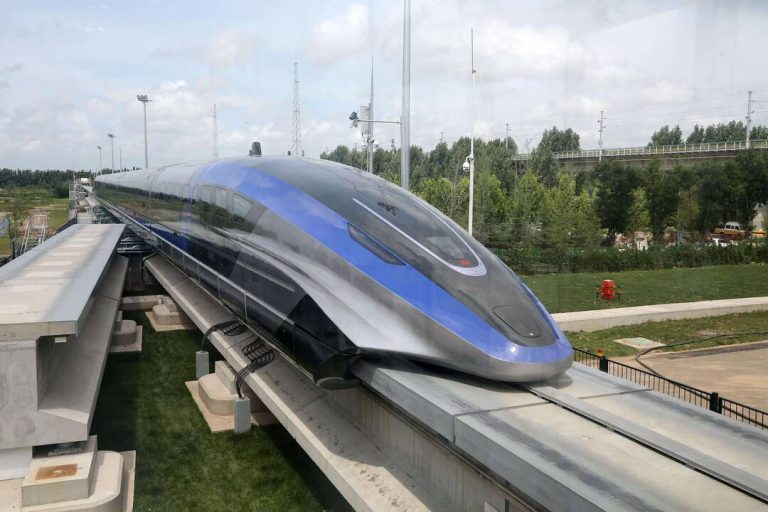
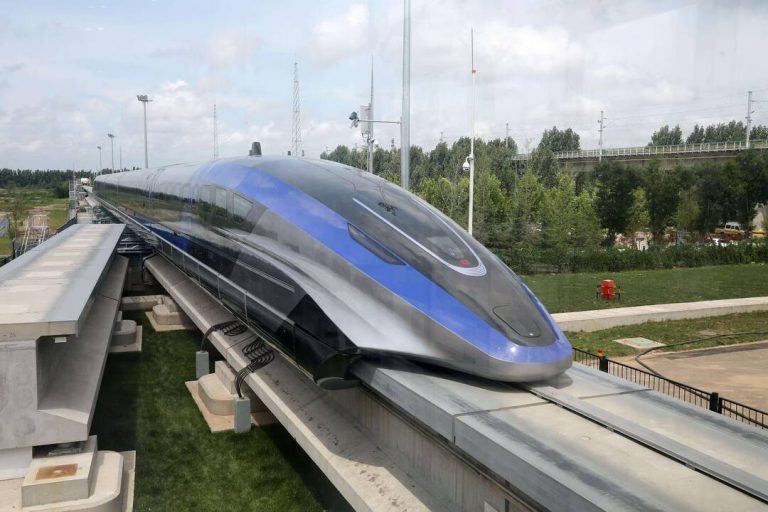
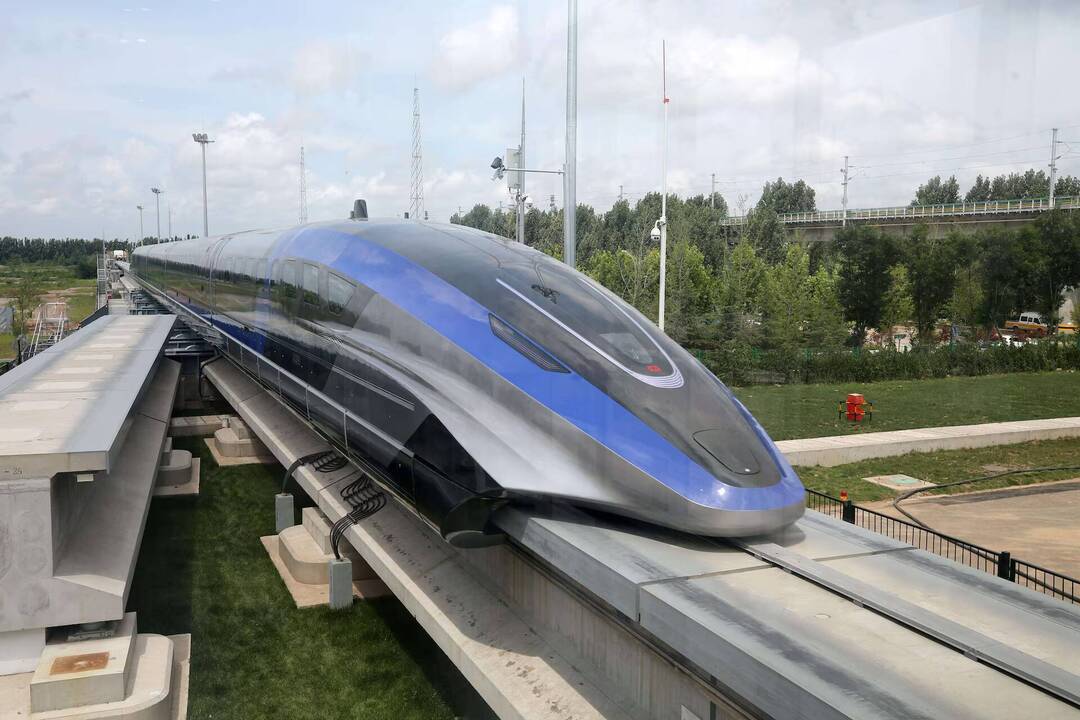
In a groundbreaking achievement, researchers in China have successfully accelerated a tonne-class vehicle to a staggering speed of 700 km/h within a mere two seconds. This remarkable feat was accomplished using a magnetic levitation (maglev) test line, cementing China’s position as a leader in the development of high-speed transportation technology. According to state broadcaster China Central Television, this achievement makes the system the fastest superconductive electric maglev in the world.
The test was conducted by China’s National University of Defense Technology, which utilized a 1,310-foot track to push the vehicle to unprecedented speeds. The magnetic levitation technology, which uses magnetic forces to lift and propel the vehicle, has been in development for several years. The successful test is a significant milestone in the development of this technology, which has the potential to revolutionize the way we travel.
Magnetic levitation, or maglev, technology has been around for several decades, but it has only recently started to gain traction as a viable mode of transportation. The technology uses electromagnetic forces to lift and propel vehicles, eliminating the need for traditional wheels and tracks. This allows for smoother, quieter, and more efficient travel, making it an attractive option for high-speed transportation.
The test conducted by China’s National University of Defense Technology is a significant step forward in the development of maglev technology. The vehicle used in the test was a tonne-class vehicle, which is a significant size and weight. The fact that it was able to reach speeds of 700 km/h in just two seconds is a testament to the power and efficiency of the maglev system.
The implications of this technology are vast. With the ability to travel at speeds of over 700 km/h, maglev systems could potentially revolutionize the way we travel. Imagine being able to travel from one city to another in a fraction of the time it takes today. The potential for maglev technology to transform the transportation industry is enormous, and China’s achievement is a significant step towards making this a reality.
The development of maglev technology is not without its challenges, however. One of the main hurdles is the high cost of building and maintaining the infrastructure required to support maglev systems. The tracks and propulsion systems required are complex and expensive, making it a significant investment for any country or company looking to develop a maglev system.
Despite these challenges, China’s achievement is a significant milestone in the development of maglev technology. The country has been investing heavily in the development of high-speed transportation technology, and this achievement is a testament to the progress that has been made. With the potential for maglev technology to transform the transportation industry, it is likely that we will see significant investment and development in this area in the coming years.
The test conducted by China’s National University of Defense Technology is not only a significant achievement for the country but also for the global transportation industry. The development of maglev technology has the potential to revolutionize the way we travel, making it faster, more efficient, and more sustainable. As the technology continues to develop and improve, we can expect to see significant advancements in the transportation industry.
In conclusion, the achievement of accelerating a tonne-class vehicle to 700 km/h in just two seconds is a significant milestone in the development of maglev technology. China’s National University of Defense Technology has made a significant contribution to the development of this technology, and their achievement is a testament to the country’s commitment to innovation and progress. As the transportation industry continues to evolve, it is likely that we will see significant investment and development in maglev technology, and China’s achievement is a significant step towards making this a reality.
About the Author