China accelerates vehicle to 700 km/h in 2 secs in magnetic levitation test
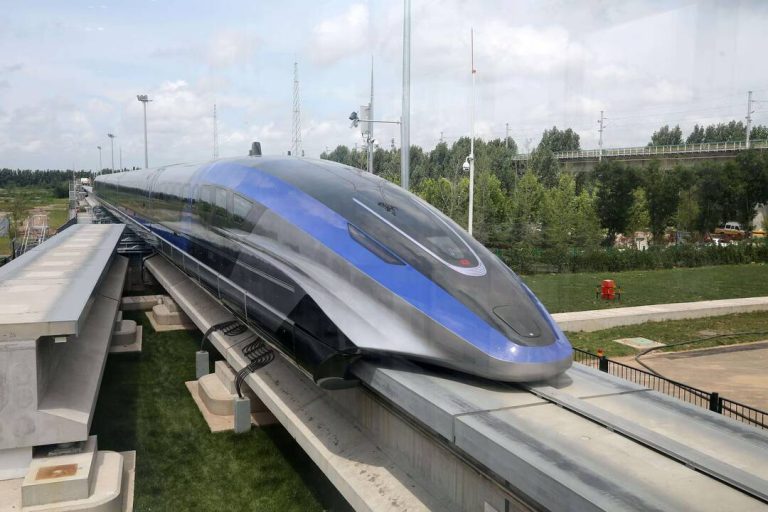
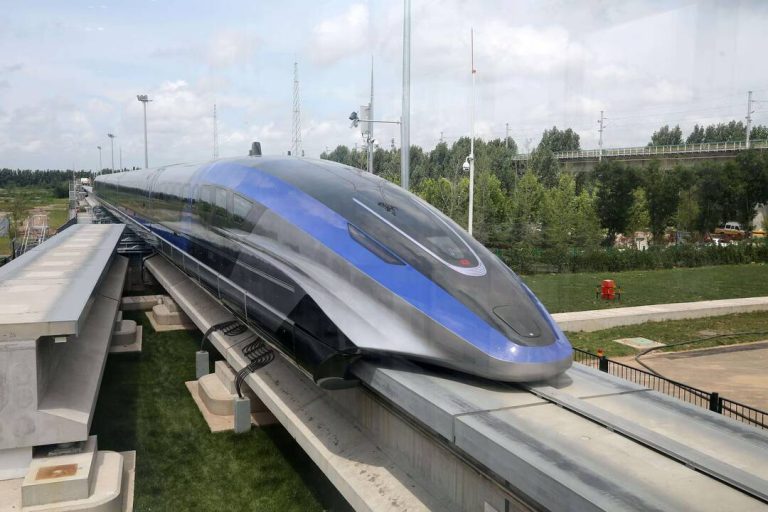
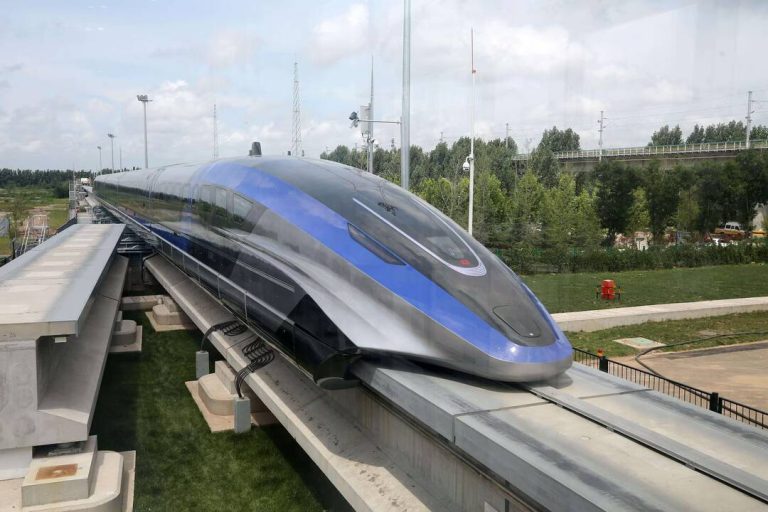
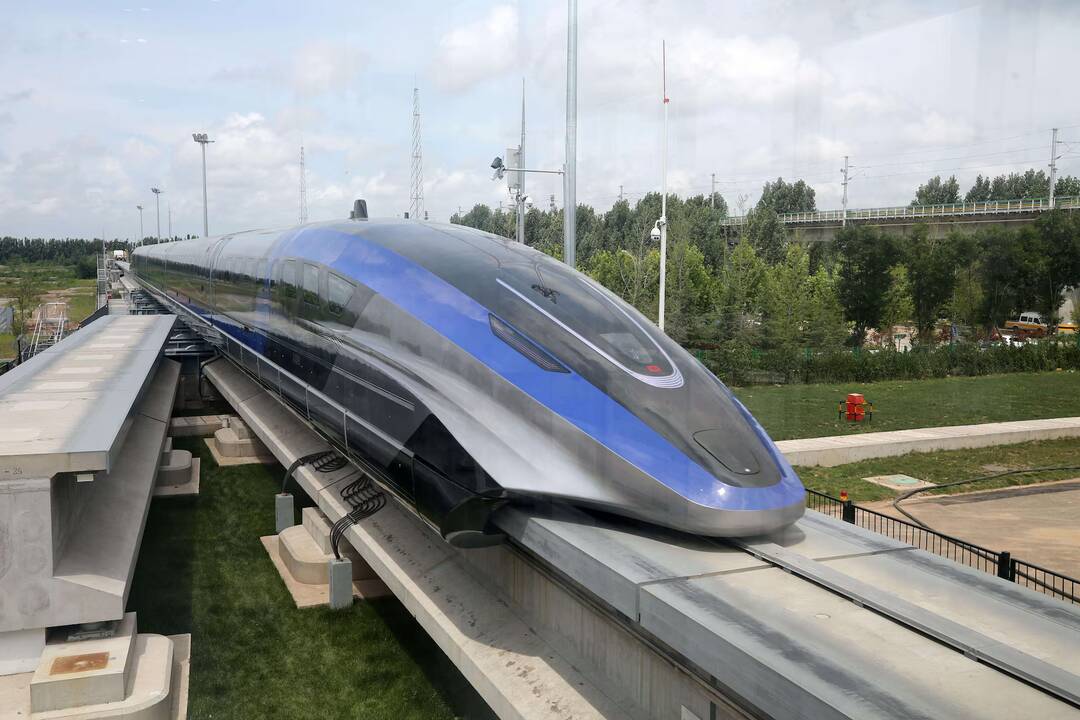
In a groundbreaking achievement, researchers in China have successfully accelerated a tonne-class vehicle to a staggering speed of 700 km/h within a mere two seconds. This incredible feat was accomplished using a magnetic levitation (maglev) test line, making it the fastest superconductive electric maglev system in the world, as reported by state broadcaster China Central Television. The test was conducted by China’s National University of Defense Technology, utilizing a 1,310-foot track to push the boundaries of magnetic levitation technology.
Magnetic levitation, or maglev, is a transportation technology that uses magnetic forces to lift and propel vehicles at high speeds, eliminating the need for traditional wheels and tracks. This innovative approach has the potential to revolutionize the way we travel, offering faster, cleaner, and more efficient transportation solutions. China has been at the forefront of maglev research and development, investing heavily in the technology and achieving numerous breakthroughs in recent years.
The latest test, conducted by the National University of Defense Technology, demonstrates the significant progress China has made in advancing maglev technology. The vehicle, weighing over a tonne, was accelerated to 700 km/h in just two seconds, showcasing the incredible power and speed of the maglev system. This achievement not only sets a new record for the fastest superconductive electric maglev system but also highlights the potential for maglev technology to transform the transportation landscape.
The test track, measuring 1,310 feet in length, was designed to simulate real-world conditions and push the vehicle to its limits. The maglev system uses advanced superconducting materials to create a powerful magnetic field, which lifts and propels the vehicle at high speeds. The vehicle itself is designed to be aerodynamically efficient, minimizing air resistance and maximizing speed.
The implications of this breakthrough are significant, with potential applications in various fields, including transportation, logistics, and even space exploration. Maglev technology could revolutionize the way we travel, enabling faster, cleaner, and more efficient transportation solutions. For instance, maglev trains could potentially travel at speeds of over 700 km/h, reducing travel times between cities and transforming the way we commute.
Furthermore, maglev technology could also have a significant impact on the environment. Traditional transportation systems, such as fossil fuel-powered cars and trains, contribute significantly to greenhouse gas emissions and air pollution. Maglev systems, on the other hand, are electric and produce zero emissions, making them a cleaner and more sustainable alternative.
China’s achievement in magnetic levitation technology is a testament to the country’s commitment to innovation and research. The National University of Defense Technology has been at the forefront of maglev research, collaborating with industry partners and government agencies to advance the technology. The latest test is a significant milestone in this journey, demonstrating the potential for maglev technology to transform the transportation landscape.
As China continues to push the boundaries of magnetic levitation technology, the world watches with interest. The potential applications of maglev technology are vast, and the benefits are clear. With its commitment to innovation and research, China is poised to lead the way in the development of maglev technology, transforming the transportation landscape and creating a more sustainable future.
In conclusion, the recent test conducted by China’s National University of Defense Technology marks a significant milestone in the development of magnetic levitation technology. The achievement of accelerating a tonne-class vehicle to 700 km/h in just two seconds is a testament to the power and potential of maglev technology. As China continues to advance this technology, the world can expect to see significant breakthroughs in the years to come, transforming the transportation landscape and creating a more sustainable future.
News source: https://www.newsbytesapp.com/news/science/china-s-high-speed-maglev-reaches-700-km-h-in-2-seconds/story
About the Author