China Accelerates Vehicle to 700 km/h in 2 Secs in Magnetic Levitation Test
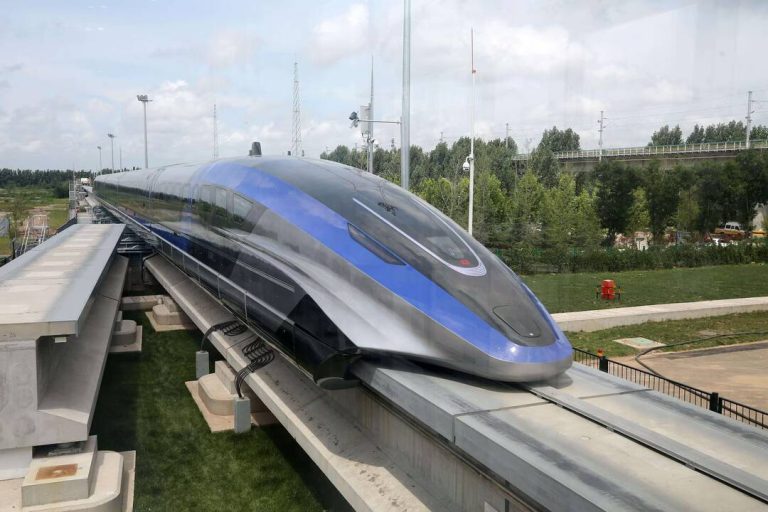
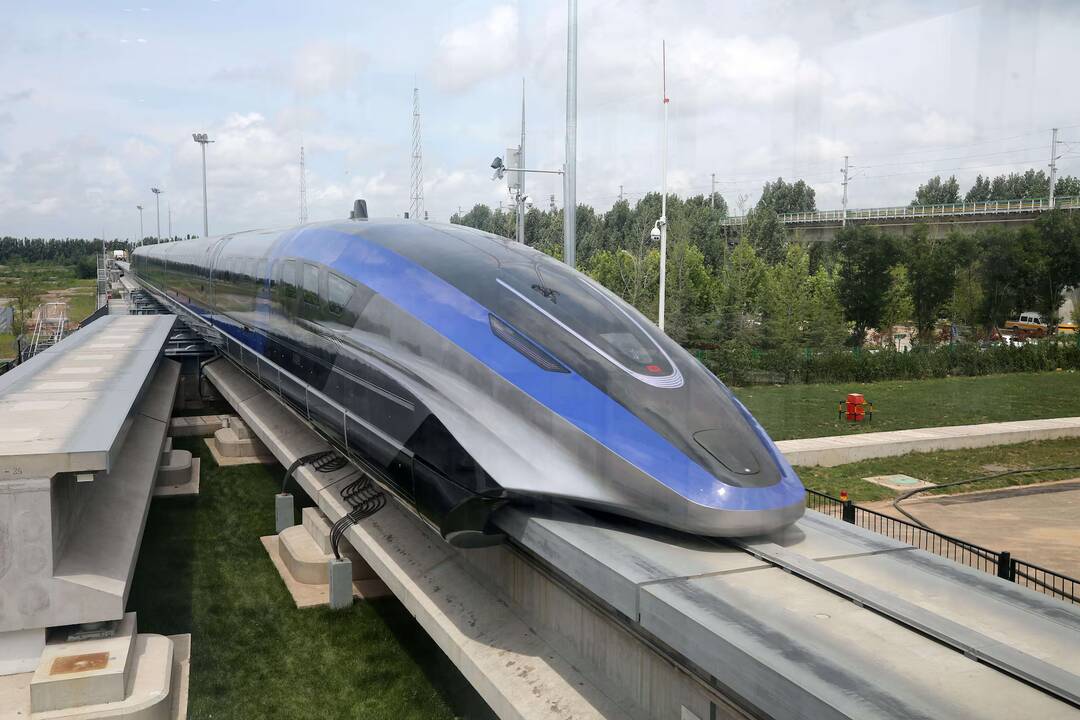
In a groundbreaking achievement, researchers in China have successfully accelerated a tonne-class vehicle to a staggering speed of 700 km/h within a mere two seconds. This remarkable feat was accomplished using a magnetic levitation (maglev) test line, making it the fastest superconductive electric maglev system in the world, as reported by state broadcaster China Central Television.
The test was conducted by China’s National University of Defense Technology, utilizing a 1,310-foot track specifically designed for this purpose. The results of this experiment have sent shockwaves of excitement throughout the scientific community, as it showcases the immense potential of maglev technology in revolutionizing the transportation sector.
For those unfamiliar with magnetic levitation, it is a technology that uses magnetic forces to suspend, guide, and propel vehicles at high speeds, eliminating the need for traditional wheels and tracks. This frictionless motion enables maglev trains to reach incredible velocities, making them an attractive option for high-speed transportation.
The Chinese researchers’ achievement is all the more impressive considering the massive weight of the vehicle used in the test. Weighing in at over a tonne, the vehicle was still able to reach an astonishing speed of 700 km/h in just two seconds, demonstrating the immense power and efficiency of the maglev system.
This breakthrough has significant implications for the future of transportation, particularly in China, where the government has been investing heavily in the development of high-speed rail networks. With the ability to reach such incredible speeds, maglev trains could potentially transform the way people travel, reducing journey times and increasing efficiency.
The test also highlights China’s growing expertise in the field of magnetic levitation technology. The country has been actively pursuing research and development in this area, with several high-profile projects already underway. The Shanghai Maglev Train, for example, is a commercial maglev train that has been in operation since 2004, connecting Shanghai Pudong International Airport to the city center.
While the recent test is a major milestone, it is essential to note that there are still several challenges to overcome before maglev technology can be widely adopted. One of the primary concerns is the high cost of building and maintaining maglev infrastructure, which can be prohibitively expensive. Additionally, there are safety concerns related to the high speeds at which maglev trains operate, which must be carefully addressed.
Despite these challenges, the potential benefits of maglev technology are undeniable. With its ability to reduce travel times, increase efficiency, and minimize environmental impact, maglev could play a vital role in shaping the future of transportation. As researchers continue to push the boundaries of what is possible with this technology, we can expect to see significant advancements in the years to come.
In conclusion, the recent test conducted by China’s National University of Defense Technology is a remarkable achievement that demonstrates the incredible potential of magnetic levitation technology. By accelerating a tonne-class vehicle to 700 km/h in just two seconds, Chinese researchers have set a new benchmark for the fastest superconductive electric maglev system in the world. As the world watches with bated breath, it will be exciting to see how this technology continues to evolve and transform the transportation landscape.
About the Author