China accelerates vehicle to 700 km/h in 2 secs in magnetic levitation test
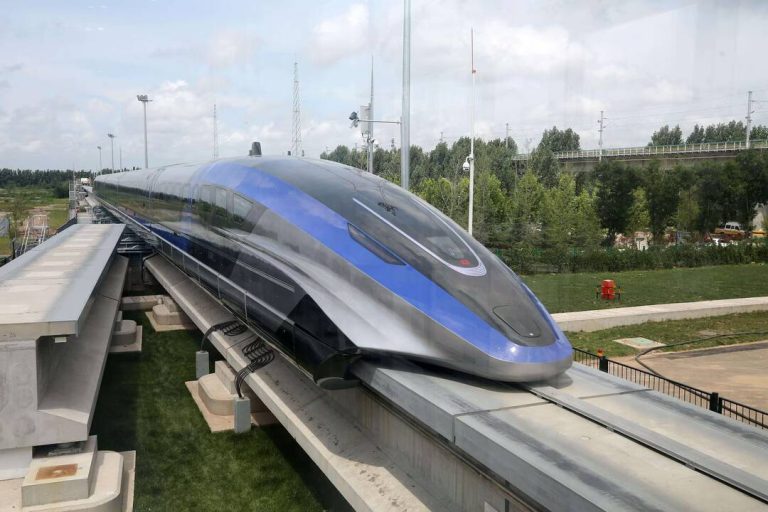
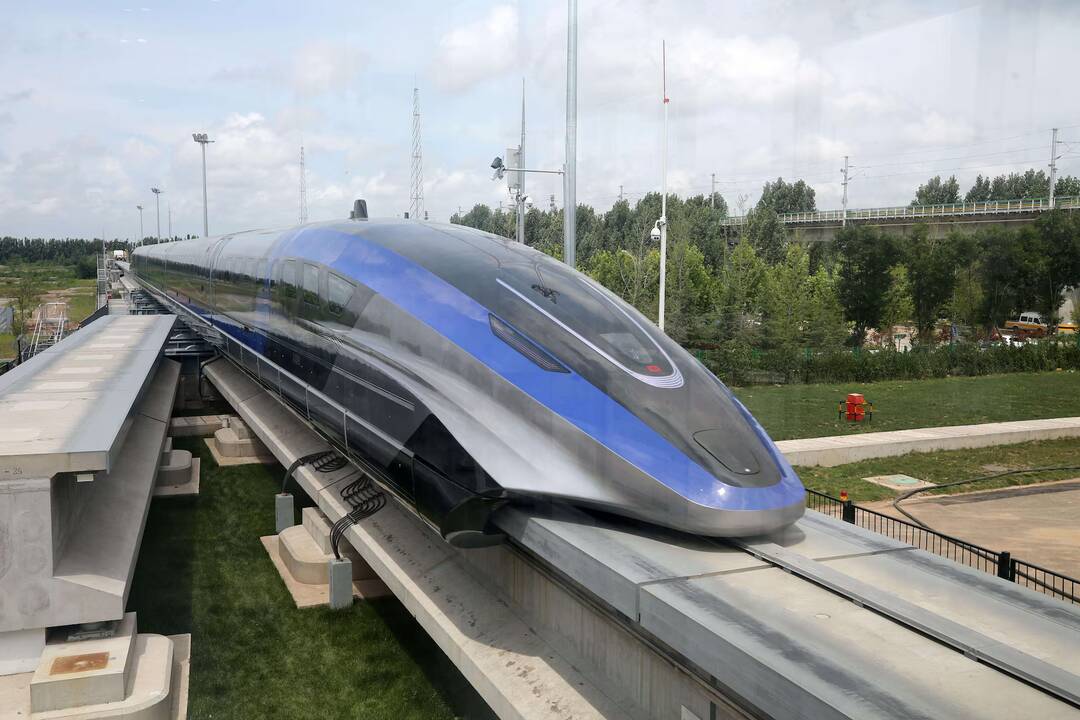
In a groundbreaking achievement, researchers in China have successfully accelerated a tonne-class vehicle to a speed of 700 km/h within a mere two seconds on a magnetic levitation (maglev) test line. This incredible feat makes it the fastest superconductive electric maglev system in the world, according to state broadcaster China Central Television. The test was conducted by China’s National University of Defense Technology using a 1,310-foot track, marking a significant milestone in the development of high-speed transportation technology.
The maglev system uses magnetic forces to levitate and propel the vehicle, eliminating the need for traditional wheels and tracks. This allows for smoother, quieter, and more efficient travel, with the potential to revolutionize the way we move people and goods. The test vehicle, weighing over a tonne, was accelerated from 0 to 700 km/h in just two seconds, demonstrating the incredible power and speed of the maglev system.
The achievement is a testament to China’s commitment to advancing its transportation technology and infrastructure. The country has been investing heavily in high-speed rail and maglev systems, with the goal of creating a network of fast, efficient, and sustainable transportation links across the country. The development of the maglev system is a key part of this effort, with the potential to transform the way people travel and conduct business.
The test was conducted on a specially designed track, which was built to simulate the conditions of a real-world maglev system. The track is equipped with advanced magnetic levitation technology, which uses electromagnets to lift and propel the vehicle. The system is powered by a advanced superconductive material, which allows for the efficient transmission of energy and minimizes energy loss.
The success of the test is a significant milestone in the development of the maglev system, and it paves the way for further research and development. The researchers involved in the project are now working to refine the technology and improve its efficiency, with the goal of creating a commercial-scale maglev system that can be used for both passenger and freight transportation.
The potential applications of the maglev system are vast, and it could have a major impact on the way we travel and conduct business. For example, a maglev system could be used to connect major cities, reducing travel times and increasing productivity. It could also be used to transport goods and cargo, reducing logistics costs and improving supply chain efficiency.
The development of the maglev system is also expected to have a significant impact on the environment. The system is powered by electricity, which is a clean and sustainable source of energy. This means that the maglev system could reduce greenhouse gas emissions and other pollutants, making it a more environmentally friendly option than traditional transportation methods.
In addition to its potential applications, the maglev system is also an important symbol of China’s technological prowess and innovation. The country has made significant strides in recent years in fields such as artificial intelligence, renewable energy, and advanced materials, and the development of the maglev system is a testament to its commitment to technological advancement.
The success of the test has also sparked interest and excitement around the world, with many countries and companies taking notice of China’s achievement. The development of the maglev system has the potential to create new opportunities for international cooperation and collaboration, as countries and companies work together to advance the technology and bring it to market.
In conclusion, the achievement of accelerating a vehicle to 700 km/h in just two seconds on a magnetic levitation test line is a significant milestone in the development of high-speed transportation technology. The test demonstrates the incredible power and speed of the maglev system, and it paves the way for further research and development. With its potential applications, environmental benefits, and technological significance, the maglev system is an exciting and important area of research and development, and it is likely to have a major impact on the way we travel and conduct business in the years to come.
News Source: https://www.newsbytesapp.com/news/science/china-s-high-speed-maglev-reaches-700-km-h-in-2-seconds/story
About the Author