China accelerates vehicle to 700 km/h in 2 secs in magnetic levitation test
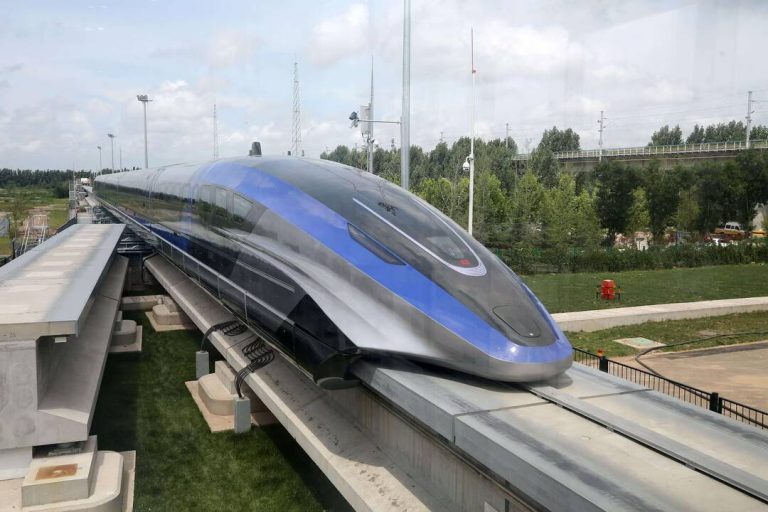
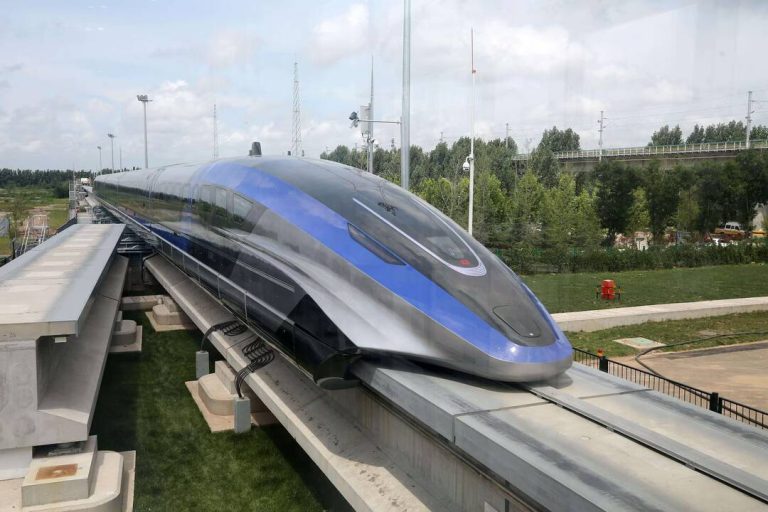
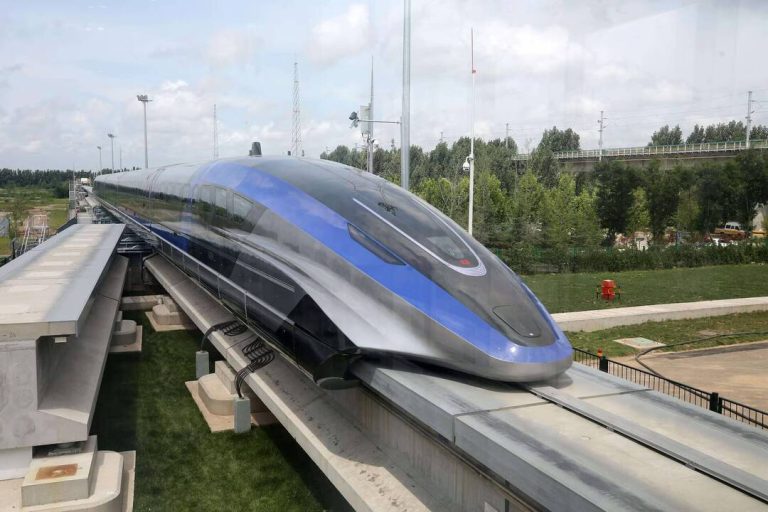
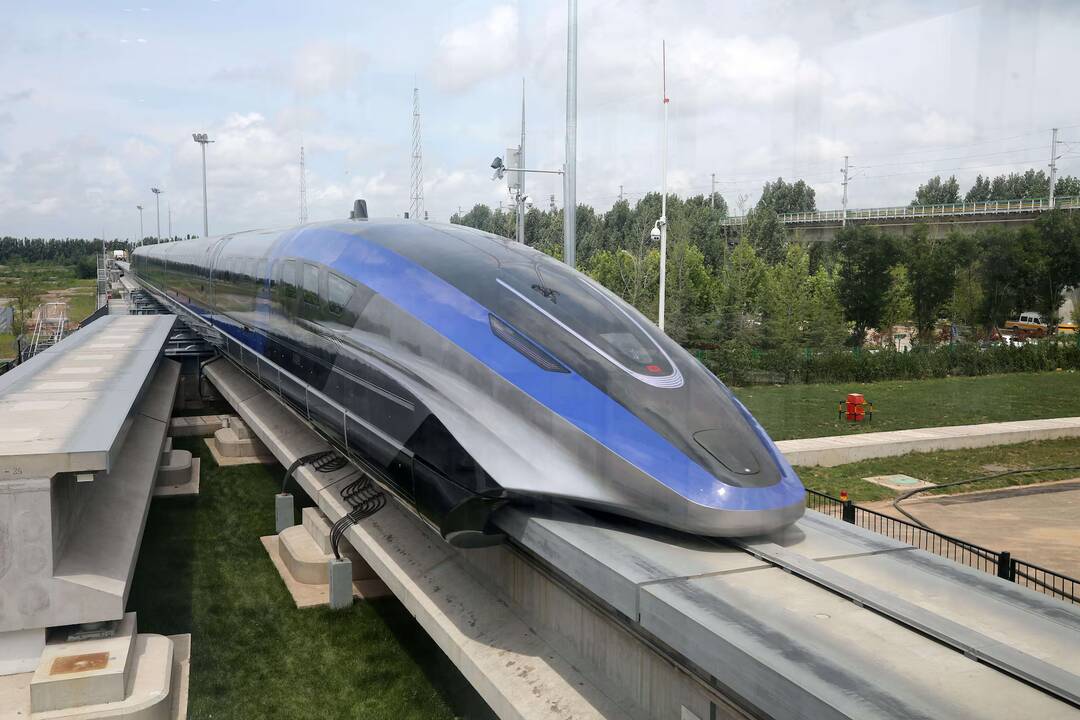
In a groundbreaking achievement, researchers in China have successfully accelerated a tonne-class vehicle to a staggering speed of 700 km/h within a mere two seconds. This remarkable feat was accomplished using a magnetic levitation (maglev) test line, which has propelled China to the forefront of high-speed transportation technology. According to state broadcaster China Central Television, this achievement makes the Chinese maglev system the fastest superconductive electric maglev system in the world.
The test was conducted by China’s National University of Defense Technology, utilizing a 1,310-foot track specifically designed for magnetic levitation experiments. The team of researchers employed advanced technology to create a frictionless environment, allowing the vehicle to reach unprecedented speeds without the constraints of traditional wheels and tracks. The maglev system uses electromagnetic forces to lift and propel the vehicle, reducing friction and enabling the vehicle to achieve exceptionally high speeds.
The significance of this achievement cannot be overstated. Reaching a speed of 700 km/h in just two seconds is a testament to the remarkable capabilities of magnetic levitation technology. To put this into perspective, the fastest commercial maglev train in operation today, the Shanghai Maglev Train, has a top speed of 431 km/h. The Chinese researchers have more than doubled this speed, demonstrating the vast potential of maglev technology for future transportation systems.
The implications of this breakthrough are far-reaching. With the ability to achieve such high speeds, maglev technology could revolutionize the way we travel, making long-distance journeys faster, more efficient, and more sustainable. Imagine being able to travel from one city to another in a fraction of the time it takes today, without the need for fossil fuels or the environmental impact associated with traditional transportation methods.
China has been at the forefront of maglev technology for several years, investing heavily in research and development to advance the field. The country has already made significant strides in commercializing maglev technology, with several operational maglev lines in place, including the Shanghai Maglev Train. However, this latest achievement takes the technology to a whole new level, demonstrating the potential for even faster and more efficient transportation systems.
The test was conducted using a specially designed vehicle, weighing around one tonne, which was accelerated using electromagnetic forces. The vehicle was propelled along the 1,310-foot track, reaching a speed of 700 km/h in just two seconds. The test was a resounding success, with the vehicle maintaining stability and control throughout the acceleration phase.
The success of this test has significant implications for the future of transportation. As the world continues to urbanize and populations grow, the need for efficient, sustainable, and high-speed transportation systems will become increasingly important. Maglev technology has the potential to play a major role in addressing these challenges, providing a clean, efficient, and rapid mode of transportation that can help to reduce congestion, pollution, and greenhouse gas emissions.
While there are still many technical and engineering challenges to overcome before maglev technology can be widely adopted, the achievement of the Chinese researchers is a major step forward. It demonstrates the potential for maglev technology to achieve exceptionally high speeds, paving the way for future developments and innovations in the field.
In conclusion, the acceleration of a tonne-class vehicle to 700 km/h in just two seconds using magnetic levitation technology is a remarkable achievement that has the potential to revolutionize the way we travel. The success of this test is a testament to the capabilities of maglev technology and demonstrates the significant progress being made in the field. As research and development continue to advance, we can expect to see even more impressive achievements in the future, paving the way for a new era of high-speed, sustainable, and efficient transportation systems.
News source: https://www.newsbytesapp.com/news/science/china-s-high-speed-maglev-reaches-700-km-h-in-2-seconds/story
About the Author