China accelerates vehicle to 700 km/h in 2 secs in magnetic levitation test
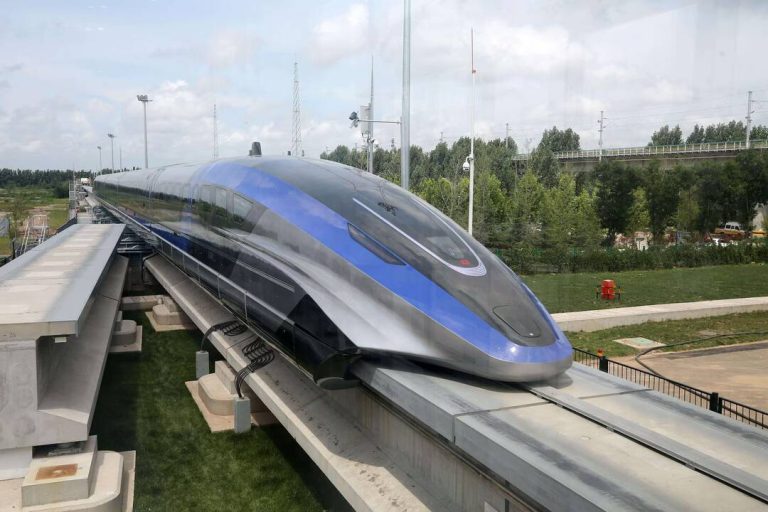
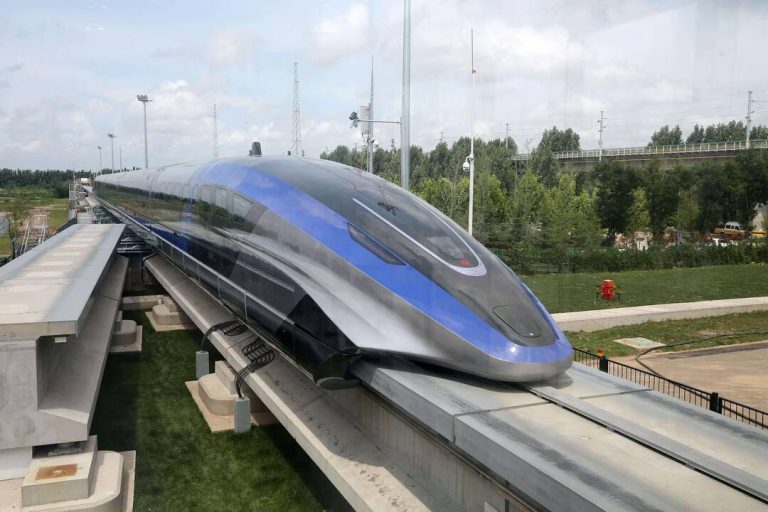
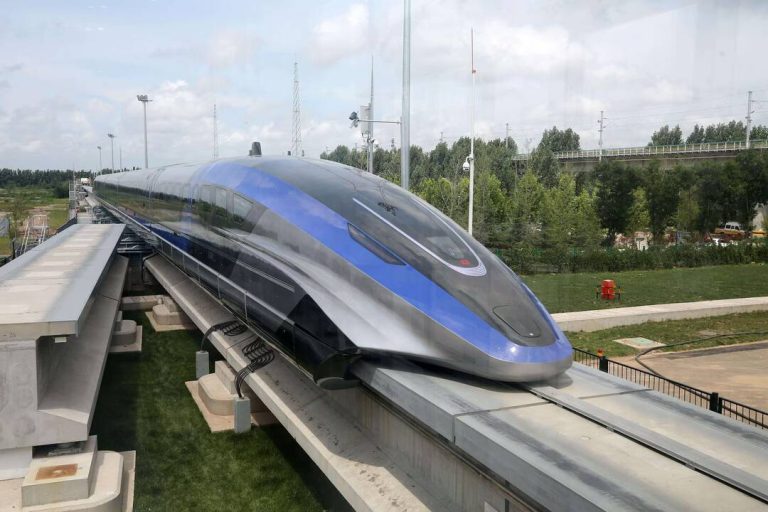
In a groundbreaking achievement, researchers in China have successfully accelerated a tonne-class vehicle to a speed of 700 km/h within two seconds on a magnetic levitation (maglev) test line. This remarkable feat makes it the fastest superconductive electric maglev system in the world, according to state broadcaster China Central Television. The test was conducted by China’s National University of Defense Technology using a 1,310-foot track, marking a significant milestone in the development of high-speed transportation technology.
The test, which was conducted on a specially designed track, utilized advanced magnetic levitation technology to propel the vehicle at unprecedented speeds. Maglev technology uses electromagnetic forces to lift and propel vehicles, eliminating the need for traditional wheels and allowing for smoother, quieter, and more efficient travel. The use of superconductive materials in the maglev system enables the creation of powerful magnetic fields, which are essential for achieving high speeds.
The vehicle, which weighs around one tonne, was accelerated from 0 to 700 km/h in just two seconds, demonstrating the incredible potential of maglev technology. To put this in perspective, it would take a typical high-speed train around 10-15 minutes to reach speeds of 700 km/h. The China’s maglev system, on the other hand, can achieve this speed in a fraction of the time, making it an attractive option for future transportation systems.
The success of this test has significant implications for the development of high-speed transportation systems. With the ability to reach speeds of over 700 km/h, maglev technology could revolutionize the way we travel, making long-distance journeys faster, more efficient, and more sustainable. The use of maglev technology could also reduce travel times between cities, making it an attractive option for commuters and businesses alike.
China has been at the forefront of maglev technology, with several high-profile projects underway, including the Shanghai Maglev Train, which connects the city’s Pudong International Airport to the city center. The country has also been investing heavily in the development of high-speed rail networks, with plans to expand its network to over 38,000 kilometers by 2025.
The National University of Defense Technology, which conducted the test, is a leading research institution in China, with a focus on advanced technologies, including maglev, aerospace, and materials science. The university has been working on the development of maglev technology for several years, with the goal of creating a high-speed transportation system that is faster, more efficient, and more sustainable than traditional rail networks.
The success of this test is a significant milestone in the development of maglev technology, and it demonstrates China’s commitment to advancing high-speed transportation systems. As the world’s population continues to urbanize, the need for efficient, sustainable, and high-speed transportation systems will only continue to grow. The development of maglev technology, such as the one demonstrated in this test, could play a significant role in meeting this need, and it will be exciting to see how this technology evolves in the future.
In conclusion, the achievement of accelerating a vehicle to 700 km/h in just two seconds on a magnetic levitation test line is a remarkable feat that demonstrates the potential of maglev technology. With its ability to reach high speeds, reduce travel times, and increase efficiency, maglev technology could revolutionize the way we travel. As China continues to invest in the development of high-speed transportation systems, it will be exciting to see how this technology evolves and how it will shape the future of transportation.
News Source: https://www.newsbytesapp.com/news/science/china-s-high-speed-maglev-reaches-700-km-h-in-2-seconds/story
About the Author