‘Bone-free’ fish created in China
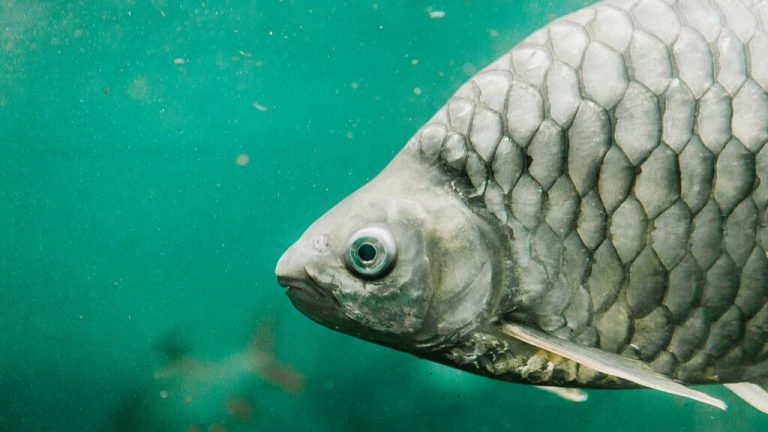
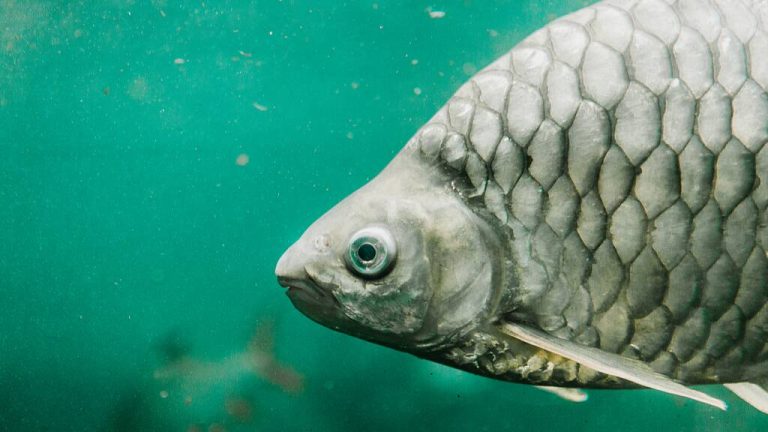
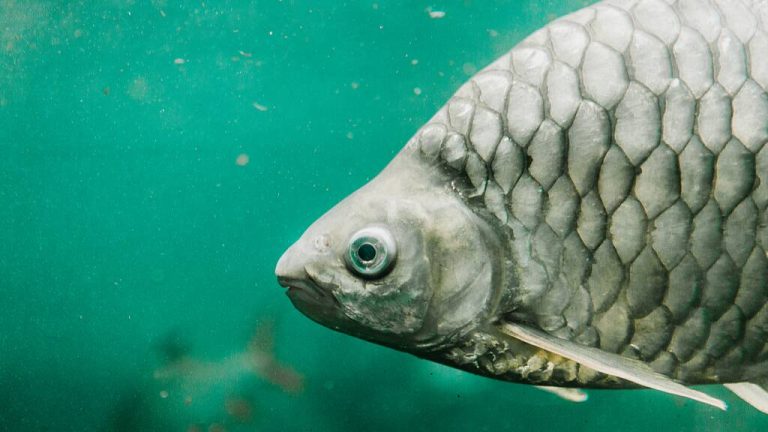
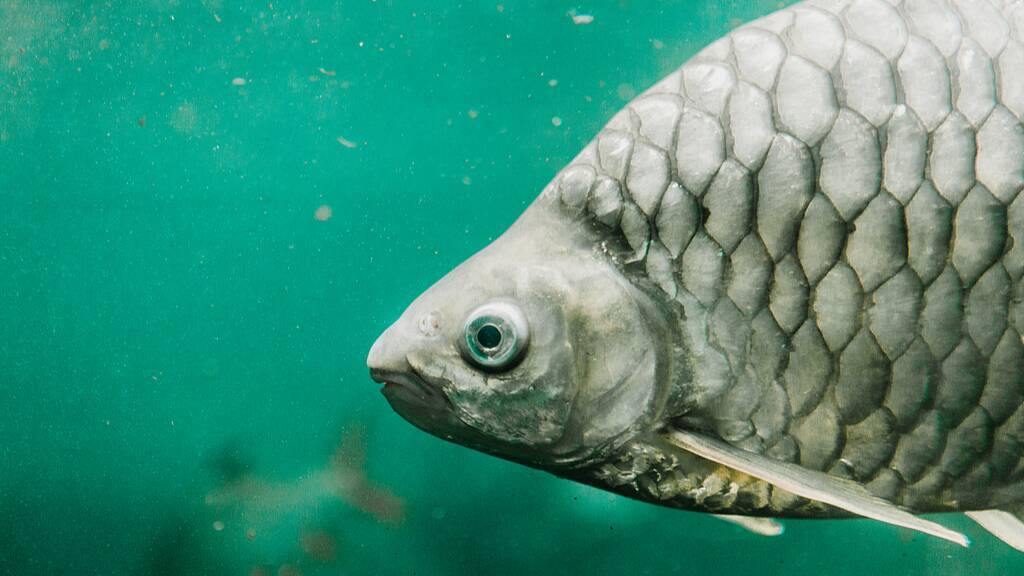
The world of food technology has just taken a significant leap forward, thanks to a groundbreaking discovery in China. A team of scientists at the Chinese Academy of Sciences has successfully created a new strain of gibel carp fish that is virtually free of intermuscular bones, making it safer and easier to eat. This innovative breakthrough has the potential to revolutionize the way we consume fish, reducing the risk of choking hazards and making it more accessible to people with dietary restrictions.
The scientists achieved this remarkable feat by using CRISPR gene-editing technology to disable a specific gene responsible for the development of intermuscular bones in fish. This gene, which is responsible for the growth of fine bones within the fish’s flesh, was targeted and edited to prevent its expression, resulting in a bone-free fish. The main skeleton of the fish, however, remains intact, ensuring that the fish’s overall structure and integrity are preserved.
The creation of bone-free fish is a significant achievement, as it addresses a major concern associated with consuming fish. Intermuscular bones, also known as pin bones, can be a nuisance to eat around and can even pose a choking hazard, particularly for young children and the elderly. By eliminating these bones, the risk of choking is significantly reduced, making fish a safer and more enjoyable food option for people of all ages.
The use of CRISPR gene-editing technology in this breakthrough is a testament to the power of genetic engineering in improving food production. CRISPR, which stands for Clustered Regularly Interspaced Short Palindromic Repeats, is a revolutionary tool that allows scientists to edit genes with unprecedented precision and accuracy. By targeting specific genes and modifying their expression, scientists can introduce desirable traits into organisms, such as disease resistance, improved nutrition, and enhanced flavor.
The creation of bone-free fish is not only a significant achievement in food technology but also has important implications for the aquaculture industry. Fish farming is a rapidly growing sector, with millions of people around the world relying on fish as a primary source of protein. By improving the quality and safety of farmed fish, the industry can increase consumer confidence and demand, leading to economic benefits for farmers and producers.
The Chinese Academy of Sciences, which led the research, is a renowned institution that has made significant contributions to various fields of science and technology. The team of scientists involved in this project has demonstrated exceptional expertise and dedication, working tirelessly for years to achieve this breakthrough. Their work is a shining example of the power of scientific collaboration and innovation in addressing real-world problems.
The potential applications of bone-free fish are vast and varied. For instance, it could become a staple in school lunches, nursing homes, and other settings where food safety is a top priority. It could also become a popular choice in high-end restaurants, where chefs can create innovative dishes without the hassle of dealing with bones. Additionally, bone-free fish could become a game-changer for the canned fish industry, making it easier to produce high-quality, bone-free canned fish products.
While the creation of bone-free fish is a significant achievement, it also raises important questions about the ethics and regulations surrounding genetic engineering in food production. As with any new technology, there are concerns about the potential risks and unintended consequences of introducing genetically modified organisms into the food chain. Regulatory bodies and consumer advocacy groups will need to carefully evaluate the safety and efficacy of bone-free fish before it becomes widely available in the market.
In conclusion, the creation of bone-free fish in China is a groundbreaking achievement that has the potential to revolutionize the way we consume fish. By using CRISPR gene-editing technology to disable a specific gene responsible for intermuscular bones, scientists have created a safer, easier-to-eat fish that could become a staple in many households. As the world continues to grapple with the challenges of food security, sustainability, and safety, innovations like bone-free fish offer a glimpse into a future where technology and science come together to improve our lives.
News Source: https://www.republicworld.com/science/boneless-fish-created-by-china-in-lab-after-years-of-research
About the Author